Chemical peels have a reputation problem. Somewhere between horror stories of ‘burning skin off’ and influencer promises of ‘instant glass skin’, the truth has been completely buried. As a dermatologist practicing in Hyderabad, I want to give you a clear, honest account of what chemical peels are, what they can and cannot do for Indian skin specifically, and why the concerns most people have are largely based on outdated information.
What Is a Chemical Peel, Actually?
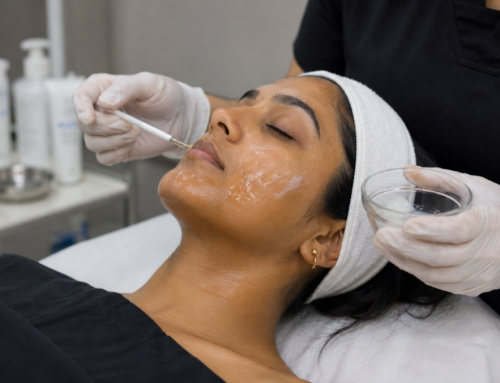
A chemical peel involves applying a solution — typically an acid — to the skin at controlled concentrations and contact times to exfoliate damaged outer layers and stimulate new cell turnover. Depending on the depth of the peel, this can address surface pigmentation, acne, uneven texture, fine lines, or deeper scarring.
There are three categories:
Superficial peels — work within the epidermis. Minimal downtime, safe for most skin types, often used as maintenance. Common agents: glycolic acid, lactic acid, mandelic acid, salicylic acid.
Medium peels — reach the upper dermis. Noticeable peeling for 5–7 days. Used for deeper pigmentation, acne scars, and moderate sun damage. Common agent: TCA (trichloroacetic acid).
Deep peels — reach the reticular dermis. Significant downtime (2+ weeks). Rarely used in brown skin due to PIH risk. Common agent: phenol.
The Indian Skin Challenge: Post-Inflammatory Hyperpigmentation
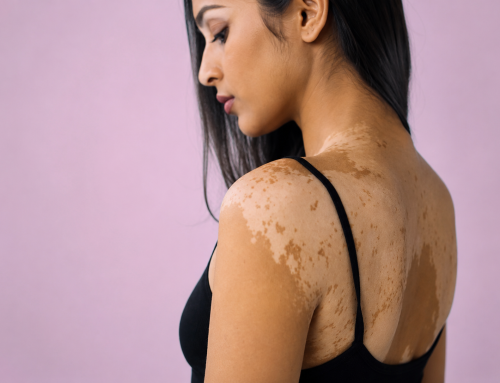
Here’s where expertise matters enormously. Indian skin — predominantly Fitzpatrick types III through V — has hyperactive melanocytes. These pigment-producing cells respond aggressively to any perceived injury, including exfoliation.
This means a peel that works beautifully on a fair-skinned patient can cause post-inflammatory hyperpigmentation (PIH) in a darker-skinned patient if applied incorrectly — at too high a concentration, left on too long, or performed on inadequately prepped skin.
This is the source of most peel horror stories. Not that the treatment is dangerous — but that it was administered without accounting for skin type.
At our clinic, all patients undergo a mandatory preparation phase before any medium or deep peel. This typically involves 2–4 weeks of prescribed topical agents (retinoids, hydroquinone, or azelaic acid) to suppress melanocyte activity before the peel is applied. This dramatically reduces the risk of PIH and improves outcomes.
What Peels Can Treat in Indian Skin
When performed correctly, chemical peels are among the most cost-effective, evidence-backed treatments available for:
Melasma and facial pigmentation: Mandelic acid and glycolic peels have strong evidence in Fitzpatrick IV–V skin. They’re often combined with prescription brightening agents for synergistic results.
Acne and comedones: Salicylic acid peels are excellent for oily, acne-prone Indian skin. Salicylic is oil-soluble, meaning it penetrates follicles and dissolves the sebum plugs that cause comedonal acne. It also reduces post-acne marks over a series of sessions.
Acne scarring: A series of medium-depth peels over several months can significantly improve shallow rolling and boxcar scars. For deeper scars, peels are often combined with microneedling or CO2 laser.
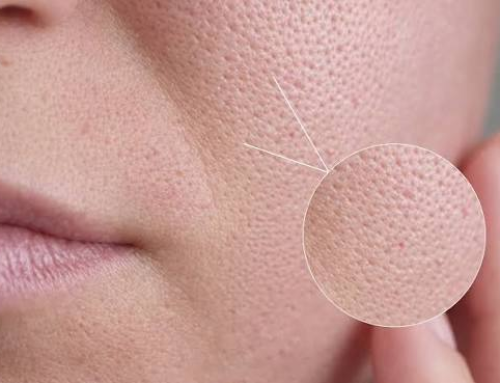
Dull, uneven skin texture: Even a superficial peel performed monthly improves overall luminosity, smoothness, and skin tone. Many patients notice that their skin looks ‘brighter’ and feels softer within 48 hours of a superficial peel.
What Peels Cannot Do (And What to Use Instead)
Peels will not:
Remove deep acne scars (ice-pick scars need subcision, TCA CROSS, or CO2 laser), significantly tighten loose skin (use HIFU or thread lifts for structural laxity), treat active cystic acne lesions (treat the active acne first, then address scarring), or deliver lasting results without sun protection. Every peel makes your skin more photosensitive. Patients who don’t use SPF 50 daily post-peel often reverse their results within weeks.
How Often Should You Get a Peel?
For superficial peels: typically monthly, as part of a clinic-managed skincare programme. For medium peels: usually every 3–6 months, depending on the skin concern and response. A series approach works better than one-time treatments. Peels are cumulative — each session builds on the last.
At Dr. Nishita’s Clinic, we never administer a peel without first assessing your skin type, current medications, recent sun exposure, and treatment history. This isn’t just protocol — it’s the difference between a result you’ll be delighted with and one that sets your skin back.
A Word on Salon Peels
Please be cautious. Chemical peels using TCA or glycolic acid above 20% are medical procedures that should only be performed by a qualified dermatologist. Many beauty salons offer peels at concentrations that are either too weak to do much or — more dangerously — too strong for untrained application.
If you’ve had a bad experience with a peel, it likely wasn’t the peel itself that was the problem.
Book a consultation: wa.me/919381218003
— Dr. Nishita Ranka | Consultant Dermatologist | Dr. Nishita’s Clinic for Skin, Hair & Aesthetics, Hyderabad