If you’ve spent any time on Indian skincare forums, YouTube tutorials, or dermatology-adjacent Instagram accounts in the past three years, you’ve almost certainly encountered the niacinamide conversation. It’s in practically every affordable serum on the market. It’s credited for everything from pore minimisation to glass skin. But does it actually deserve the title of miracle ingredient — or is it the most effectively marketed mediocre product in the Indian beauty industry?
The honest answer, as with most things in dermatology, is somewhere in the middle. Let me break it down.
What Niacinamide Actually Is
Niacinamide is a form of vitamin B3 (nicotinamide). It’s water-soluble, stable in formulations, generally well-tolerated by most skin types, and has a reasonably good evidence base for specific indications. It is not a new ingredient — its use in dermatology predates the current social media boom by decades. What changed is its accessibility in affordable OTC formulations and the way brands have positioned it as a universal fix.
What Niacinamide Actually Does (The Evidence)
Let’s be precise about what the science supports:
Brightening and pigmentation: Niacinamide inhibits the transfer of melanosomes (melanin-containing organelles) from melanocytes to keratinocytes. This can reduce the appearance of pigmentation over time. The evidence is genuinely decent here — particularly for mild, superficial pigmentation. However, the effect is slow (8–12 weeks minimum) and modest compared to prescription-grade agents like hydroquinone, tranexamic acid, or azelaic acid.
Sebum regulation: Niacinamide has been shown to reduce sebum excretion rates, making it a reasonable addition for oily and acne-prone skin types. In the context of Hyderabad’s climate — where high heat and humidity mean persistent oiliness for much of the year — this is genuinely useful.
Barrier function: It stimulates ceramide synthesis, which strengthens the skin’s moisture barrier. This is particularly relevant for people who use strong actives (retinoids, AHAs, BHAs) and need barrier support.
Anti-inflammatory: At higher concentrations (4–5%), niacinamide has mild anti-inflammatory effects that can reduce redness and calm sensitised skin. Useful for rosacea-prone or reactive skin types.
Where the Hype Outpaces the Science
Here’s where I have to be direct with my patients:
Niacinamide is not a substitute for sunscreen. No amount of brightening serum undoes the photodamage that comes from skipping SPF. I see patients who apply their niacinamide serum diligently twice a day but use SPF 15 inconsistently and wonder why their pigmentation isn’t improving.
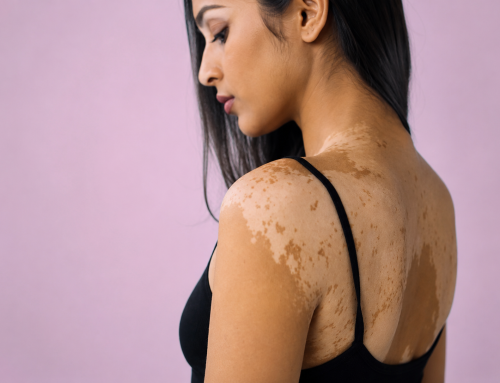
Niacinamide will not treat melasma meaningfully on its own. Melasma is a chronic, relapsing condition with deep dermal components. Niacinamide alone will give you perhaps 10–15% improvement at best. Proper melasma management requires a combination of prescription topicals, sun protection, and in-clinic procedures.
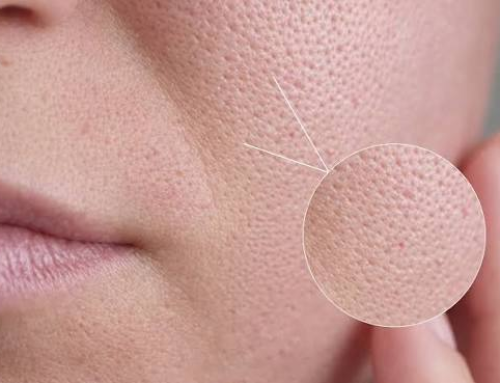
Niacinamide does not significantly reduce pores. The pore-minimising claims are largely based on its oil-control properties. Sebum control can make pores appear smaller temporarily — but pore size is determined by genetics and collagen density. If you want structural improvement in pore appearance, you need retinoids, chemical peels, or laser resurfacing.
Concentration matters more than brands. A product with 2% niacinamide is functionally very different from one with 10%. Many budget serums ride the niacinamide trend with concentrations too low to deliver meaningful results. Always check the concentration, not just the ingredient label.
The Niacinamide + Vitamin C Myth
You’ve probably seen warnings not to use niacinamide with vitamin C because they supposedly react to form niacin and cause flushing. This was a valid concern with older, less stable formulations — but it has been largely debunked with modern cosmetic formulations where both ingredients are in stable form. Combining them is generally safe, and some studies suggest they may even be synergistic for brightening.
However, niacinamide is alkaline (pH 5–7) and vitamin C (ascorbic acid) is most stable and effective at pH below 3.5. Using them together can raise the pH of your vitamin C serum and reduce its potency. If vitamin C is a priority in your routine, applying it first and allowing it to absorb before layering niacinamide is the practical recommendation.
Should You Use Niacinamide?
Yes — with calibrated expectations. For oily, acne-prone Indian skin dealing with post-inflammatory hyperpigmentation and an impaired moisture barrier (very common after overuse of strong actives), niacinamide at 5–10% is a sensible, well-tolerated, affordable addition to a routine.
But it is not a cornerstone treatment. It is a supportive ingredient. If you have significant pigmentation, acne scarring, melasma, or prominent pores, niacinamide is not your answer on its own.
A properly designed skincare routine — one that matches your specific skin type, concerns, and lifestyle — will outperform any single ingredient. That’s what we build for every patient who walks into our clinic.
Book a consultation: wa.me/919381218003
— Dr. Nishita Ranka | Consultant Dermatologist | Dr. Nishita’s Clinic for Skin, Hair & Aesthetics, Hyderabad