If I told you that the next frontier in dermatology isn’t a laser, a filler, or even a new molecule — but tiny vesicles smaller than a single bacterium — you’d probably raise an eyebrow.
But here’s the thing: exosomes are already here, and they’re quietly reshaping how we think about skin rejuvenation, hair restoration, and tissue healing. As a board-certified dermatologist (MBBS, DDVL) and international trainer for Juvederm, Restylane, and Menarini, I’ve watched dozens of “revolutionary” treatments come and go. Exosomes are different. The science is compelling, the early clinical results are hard to ignore, and the potential applications stretch from anti-ageing to wound healing to hair loss.
Let me walk you through what exosomes actually are, what the evidence says, who they’re right for, and why I’ve integrated them into my practice at Dr. Nishita’s Clinic, Banjara Hills, Hyderabad.
What Are Exosomes? The Science Made Simple
Exosomes are extracellular vesicles — nanoscale particles (30-150 nanometres in diameter) released by virtually every cell in your body. Think of them as biological text messages: they carry proteins, lipids, messenger RNA (mRNA), and microRNA (miRNA) from one cell to another, delivering instructions that regulate inflammation, repair, and regeneration.
First described in the 1980s by Johnstone et al., exosomes were initially dismissed as “cellular garbage.” It took nearly three decades for researchers to realise these tiny vesicles were actually master communicators orchestrating tissue repair at the cellular level.
How Exosomes Work in Skin and Hair
When applied to skin or scalp tissue, exosomes derived from mesenchymal stem cells (MSCs) deliver a payload of:
- Growth factors (VEGF, EGF, FGF, PDGF) — stimulate collagen synthesis, angiogenesis, and cell proliferation
- Anti-inflammatory cytokines (IL-10, TGF-β) — calm inflammation and reduce redness
- MicroRNAs (miR-21, miR-29) — regulate fibroblast activity and extracellular matrix remodelling
- mRNA transcripts — reprogramme recipient cells toward regenerative pathways
A landmark 2020 study published in *ACS Nano* demonstrated that MSC-derived exosomes accelerated wound healing in animal models by 40-50% compared to controls, primarily through enhanced collagen deposition and neovascularisation. In human skin, this translates to improved texture, firmness, and radiance.
For hair specifically, a 2021 study in *Stem Cell Research & Therapy* showed that exosomes derived from dermal papilla cells promoted hair follicle growth by activating the Wnt/β-catenin signalling pathway — the same pathway disrupted in androgenetic alopecia.
Exosomes for Skin Rejuvenation: What the Evidence Says
Collagen Stimulation and Anti-Ageing
As we age, collagen production drops by approximately 1-1.5% per year after age 25 (Varani et al., *American Journal of Pathology*, 2006). By age 50, you’ve lost roughly 25-35% of your skin’s collagen. This is why fine lines, sagging, and loss of volume become progressively visible.
Exosomes address this at the cellular level. A 2022 clinical study published in the *Journal of Cosmetic Dermatology* evaluated MSC-derived exosomes applied post-microneedling in 30 patients (Fitzpatrick III-V — relevant to Indian skin types). Results at 12 weeks showed:
- 35% improvement in skin elasticity (measured by Cutometer)
- 28% reduction in fine lines (measured by VISIA imaging)
- Significant improvement in skin hydration and barrier function
What’s particularly exciting for Indian skin: exosomes showed minimal risk of post-inflammatory hyperpigmentation (PIH), a complication that limits how aggressively we can treat Fitzpatrick III-V skin with lasers or deep chemical peels.
Pigmentation and Melasma
Melasma affects up to 40% of Indian women (Sarkar et al., *Indian Journal of Dermatology*, 2019). Hyderabad’s intense UV exposure and humidity make it even more prevalent here. While exosomes aren’t a standalone melasma treatment, emerging evidence suggests they can:
- Downregulate tyrosinase activity (the enzyme driving melanin production)
- Reduce melanocyte inflammation
- Enhance the penetration and efficacy of topical depigmenting agents when used in combination
I use exosomes as an adjunct to comprehensive melasma protocols — not as a replacement for sunscreen (always SPF 50+ PA++++), topical retinoids, or procedural interventions like chemical peels and laser toning.
Post-Procedure Recovery
One of the most practical applications of exosomes in my Banjara Hills clinic is post-procedure recovery. After treatments like:
- CO₂ fractional laser resurfacing
- Microneedling RF
- Deep chemical peels
- Skin booster injections
Applying exosomes immediately post-procedure has been shown to reduce downtime by 30-50% (Kim et al., *Dermatologic Surgery*, 2023). Patients report less redness, faster healing, and better overall results. This is particularly valuable in Hyderabad’s climate — post-procedure skin exposed to 40°C heat and pollution needs every advantage it can get.
Exosomes for Hair Loss: A Game-Changer?
Hair loss remains one of the most emotionally distressing dermatological conditions. In India, androgenetic alopecia affects 58% of men by age 50 and an increasing number of women (Sharma et al., *International Journal of Trichology*, 2015). Telogen effluvium — diffuse hair shedding triggered by stress, nutritional deficiency, or hormonal changes — is even more common.
How Exosomes Compare to GFC and PRP
At Dr. Nishita’s Clinic, we offer multiple hair restoration options including Growth Factor Concentrate (GFC), PRP, and now exosome therapy. Here’s how they compare:
PRP (Platelet-Rich Plasma)
- Source: Your own blood (autologous)
- Growth factors: ~7-10 types
- Evidence: Well-established (AAD recognises it for androgenetic alopecia)
- Limitations: Results depend on your own platelet quality; declines with age
- Cost: ₹5,000-15,000 per session
GFC (Growth Factor Concentrate)
- Source: Your own blood, concentrated
- Growth factors: Higher concentration than PRP (~3-5x)
- Evidence: Growing body of Indian clinical data
- Advantages: No RBCs or WBCs — purer growth factor preparation
- Cost: ₹8,000-20,000 per session
Exosome Therapy
- Source: Lab-derived MSC exosomes (allogeneic)
- Growth factors + signalling molecules: 200+ bioactive molecules
- Evidence: Emerging but highly promising (Phase II clinical trials ongoing)
- Advantages: Consistent potency regardless of patient age; anti-inflammatory + regenerative
- Cost: ₹15,000-40,000 per session
The Clinical Evidence for Hair
A 2023 randomised controlled trial published in *Dermatologic Therapy* compared exosome injections to PRP in 60 patients with androgenetic alopecia. At 6 months:
- Exosome group: 23% increase in hair density (measured by trichoscopy)
- PRP group: 14% increase in hair density
- Exosome group showed faster onset of results (visible at 8 weeks vs 12 weeks for PRP)
Another 2024 study in the *Journal of the American Academy of Dermatology* (JAAD) confirmed that exosome therapy significantly improved hair shaft diameter and reduced hair shedding in both male and female pattern hair loss.
I often recommend exosome therapy for patients who:
- Haven’t responded adequately to GFC or PRP
- Are over 45 (where autologous growth factor quality may be declining)
- Want to combine hair restoration with scalp rejuvenation
- Have inflammatory scalp conditions contributing to hair loss
The Treatment Experience: What to Expect
Before Treatment
- Detailed trichoscopy and scalp analysis (for hair loss patients)
- VISIA skin analysis (for skin rejuvenation patients)
- Complete blood work if hair loss is the concern (iron, ferritin, vitamin D, thyroid panel, hormonal profile)
- Discussion of realistic expectations — exosomes enhance; they don’t perform miracles
During Treatment
The procedure itself takes 30-45 minutes:
- Topical anaesthetic applied (for comfort)
- Microneedling or mesotherapy delivery — exosomes are applied either topically post-microneedling or injected via mesotherapy technique
- LED light therapy may be added to enhance exosome uptake
- Post-procedure soothing protocol — gentle hydration, SPF 50+ PA++++ sunscreen
Pain level: 2-3 out of 10 with numbing cream. Most patients describe it as a mild tingling sensation.
After Treatment
- Redness: 4-12 hours (significantly less than laser treatments)
- Downtime: Minimal — most patients return to work the same day
- Results onset: Initial glow within 48-72 hours; progressive improvement over 4-12 weeks
- Recommended sessions: 3-6 sessions spaced 2-4 weeks apart, depending on indication
Post-Care Protocol
- Avoid direct sun exposure for 48 hours
- Apply SPF 50+ PA++++ sunscreen religiously (reapply every 2-3 hours if outdoors)
- No active ingredients (retinol, AHAs, vitamin C) for 48-72 hours
- Gentle cleanser and barrier-repair moisturiser only
- No gym, sauna, or swimming for 24 hours
Safety: What the Research Tells Us
Exosome therapy has an excellent safety profile in published literature. A 2023 systematic review in *Frontiers in Bioengineering and Biotechnology* analysing 18 clinical studies found:
- No serious adverse events reported
- Most common side effects: transient redness (89% resolved within 12 hours), mild swelling (resolved within 24 hours)
- No risk of immune rejection — exosomes are cell-free (unlike stem cell therapies)
- No tumourigenicity risk — exosomes cannot replicate (unlike whole cells)
However, I want to be transparent: exosome therapy is still relatively new in clinical dermatology. While the safety data is reassuring and the mechanism of action is well-understood, we’re still building the long-term evidence base. This is why I recommend exosomes as part of a comprehensive treatment plan — not as a standalone miracle cure.
Regulatory Status in India
The Central Drugs Standard Control Organisation (CDSCO) classifies exosome-based products as biologicals. Quality and sourcing matter enormously. At our clinic, we use only pharmaceutical-grade, GMP-certified exosome preparations with documented characterisation (particle size, protein content, and potency assays). Never accept exosome treatments from unverified sources — the lack of standardisation across manufacturers is the single biggest concern in this space.
Who Is an Ideal Candidate?
Best Candidates for Exosome Therapy
- Age 30-65 with early to moderate signs of ageing (fine lines, loss of firmness)
- Androgenetic alopecia (male or female pattern) — Grade I-IV (Norwood/Ludwig)
- Post-procedure patients wanting faster recovery
- Melasma patients as adjunct therapy
- Patients who want regenerative treatment without surgery or extensive downtime
- Those who’ve plateaued with PRP or GFC
Who Should Wait
- Pregnant or breastfeeding women
- Active skin infection or inflammation at the treatment site
- Active malignancy (theoretical concern — exosomes promote cell proliferation)
- Patients expecting “instant transformation” — exosomes work gradually through biological pathways
Cost of Exosome Therapy in Hyderabad
Transparency matters. At Dr. Nishita’s Clinic, Banjara Hills, Hyderabad, exosome therapy pricing is:
- Skin rejuvenation (face): ₹15,000-25,000 per session
- Hair restoration (scalp): ₹20,000-40,000 per session
- Combination protocols (face + neck): ₹25,000-35,000 per session
Most patients need 3-6 sessions for optimal results. We offer customised packages and combination protocols (exosomes + skin boosters + LED) for best value.
The Future of Exosomes in Dermatology
The exosome landscape is evolving rapidly. Research directions that excite me:
- Engineered exosomes — loaded with specific therapeutic cargo (targeted drug delivery)
- Exosome-infused topicals — at-home maintenance between clinical sessions
- Wound healing applications — diabetic ulcers, surgical scars, burn recovery
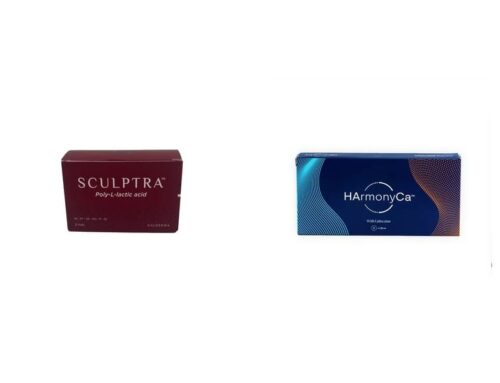
- Combination with biostimulators — exosomes + Sculptra/HArmonyCa for synergistic collagen stimulation
- Personalised exosome therapy — sourced from patient-specific cell lines
The IADVL and international dermatology bodies are increasingly recognising exosomes as a legitimate therapeutic tool. I anticipate formal treatment guidelines within the next 2-3 years.
My Clinical Perspective
After integrating exosome therapy into my practice at Dr. Nishita’s Clinic, here’s what I can tell you from real clinical experience:
- Results are real but not instant — patients who understand the biological timeline get the best outcomes
- Combination protocols outperform standalone — exosomes + microneedling + LED + proper skincare = synergy
- Quality of exosome preparation matters enormously — this is not an area to bargain-hunt
- Patient selection is key — not everyone needs exosomes, and I’ll tell you honestly if a simpler treatment serves you better
- The science will only get stronger — we’re at the beginning of what exosomes can do
If you’re considering exosome therapy for skin rejuvenation or hair restoration, I’d love to assess whether it’s right for you. Every treatment plan at our clinic starts with a thorough consultation — because the best treatment is always the one tailored to your specific skin, your specific concerns, and your specific goals.
Book a consultation at Dr. Nishita’s Clinic, Banjara Hills, Hyderabad:
📞 Call: (+91) 93812.19187 / 93812.18003
🌐 Visit: www.drnishitaranka.com
Frequently Asked Questions (FAQ)
1. Are exosomes safe for Indian skin types?
Yes. Exosome therapy has shown an excellent safety profile across all Fitzpatrick skin types, including III-V (common in India). Unlike aggressive laser treatments or deep chemical peels, exosomes carry minimal risk of post-inflammatory hyperpigmentation (PIH) — a key concern for darker skin tones. Published studies confirm no serious adverse events, with most patients experiencing only mild, transient redness lasting a few hours.
2. How many exosome sessions do I need to see results?
Most patients notice an initial “glow” within 48-72 hours of their first session. However, the real biological benefits — collagen stimulation, improved elasticity, hair follicle activation — develop over 4-12 weeks. For optimal results, I recommend 3-6 sessions spaced 2-4 weeks apart, followed by maintenance sessions every 3-6 months.
3. Can exosomes replace PRP or GFC for hair loss?
Exosomes can be an alternative or complement to PRP and GFC. They carry a broader range of bioactive molecules (200+ vs 7-10 in PRP) and their potency doesn’t depend on the patient’s own blood quality. I often recommend exosomes for patients over 45, those who haven’t responded to PRP/GFC, or those seeking faster results. However, PRP and GFC remain excellent options with strong evidence, especially for younger patients.
4. What is the cost of exosome therapy in Hyderabad?
At Dr. Nishita’s Clinic, Banjara Hills, exosome therapy ranges from ₹15,000-25,000 per session for skin rejuvenation and ₹20,000-40,000 per session for hair restoration. The total investment depends on the number of sessions recommended (typically 3-6). We offer customised packages that combine exosomes with complementary treatments for better value.
5. Is there any downtime after exosome treatment?
Downtime is minimal — this is one of exosome therapy’s biggest advantages. Most patients experience mild redness for 4-12 hours and can return to work the same day. You’ll need to avoid direct sun exposure for 48 hours, skip active skincare ingredients (retinol, AHAs) for 2-3 days, and apply SPF 50+ PA++++ sunscreen diligently. No gym or swimming for 24 hours post-treatment.
————————————————————————————————————————
*Dr. Nishita Ranka, MBBS, DDVL — Board-certified dermatologist, international trainer for Juvederm (Allergan), Restylane (Galderma), and Menarini. Practising at Dr. Nishita’s Clinic, Banjara Hills, Hyderabad.*
*Disclaimer: This article is for educational purposes. Individual results may vary. Always consult a qualified dermatologist before starting any treatment. The studies cited are for informational purposes and do not constitute a guarantee of results.*