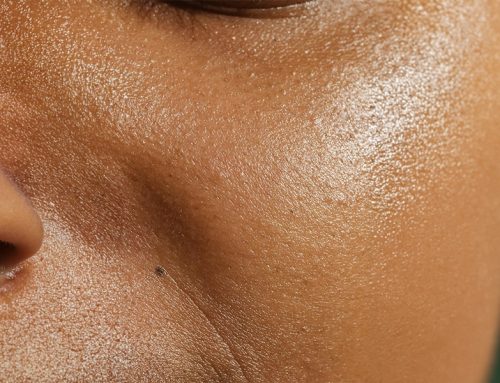
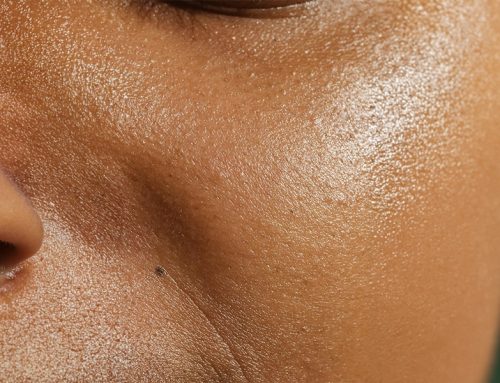
Heat rash — miliaria, or prickly heat — is one of the most common dermatological complaints in India during summer, and one of the most frequently confused with other skin conditions. Patients arrive treating it as acne, contact dermatitis, or fungal infection and wondering why it isn’t clearing. Getting the diagnosis right is the starting point for effective management.
What Miliaria Is
Miliaria occurs when sweat ducts become blocked — by sweat, skin debris, and the bacterium Staphylococcus epidermidis — causing sweat to leak into surrounding tissue rather than reaching the skin surface. The result is a rash that varies in appearance depending on which layer of the skin the duct blockage occurs. Miliaria crystallina (clear, superficial vesicles) is the mildest form. Miliaria rubra (the classic “prickly heat” — red papules and vesicles with an intense stinging, prickling sensation) is the most common. Miliaria profunda (deeper, flesh-coloured papules) is the most severe and can significantly impair thermoregulation.
How It Differs from Acne
Miliaria rubra is often mistaken for acne — both present as small red papules, often on the trunk, shoulders, and face. The key differentiators: miliaria appears rapidly in response to heat and sweating, often within hours of significant heat exposure; it produces a distinctive stinging, prickling sensation rather than the tenderness of acne lesions; it improves quickly with cooling and reduced sweating; and it does not have the comedones (blackheads and whiteheads) that characterise acne.
Treatment and Prevention
The primary treatment is cooling and reducing sweating: air conditioning, cool showers, loose breathable cotton clothing, and avoiding activities that generate significant sweating. Calamine lotion provides symptomatic relief. For miliaria rubra, topical antibiotics (clindamycin lotion) address the Staph epidermidis component and accelerate resolution. Gentle, non-comedogenic cleansing helps clear the duct blockage. Avoid heavy moisturisers and occlusive products during an active episode — they worsen duct blockage. For recurrent or severe miliaria, oral antibiotics may be required.
Book a consultation: wa.me/919381218003
— Dr. Nishita Ranka | Consultant Dermatologist | Dr. Nishita’s Clinic for Skin, Hair & Aesthetics, Hyderabad