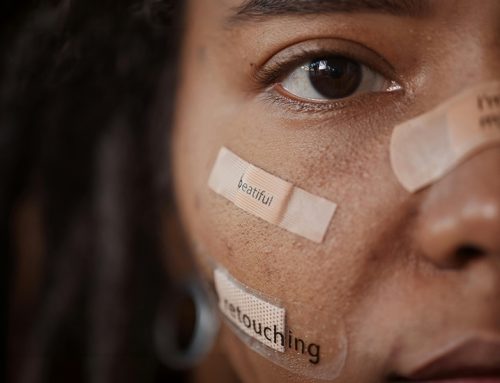
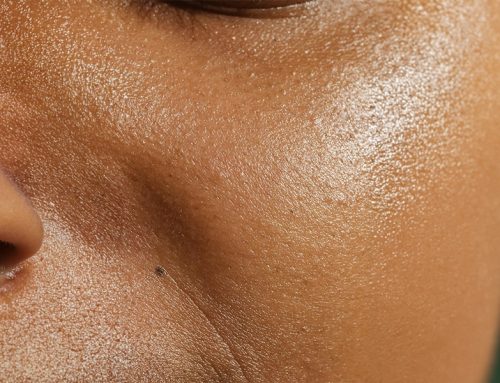
Milia are small, dome-shaped, pearly white or yellow papules that typically appear around the eyes, on the cheeks, and across the nose. They are extremely common and consistently misidentified as whiteheads by patients who attempt to extract them — unsuccessfully and sometimes damagingly. Understanding what milia are and why squeezing doesn’t work makes the path to clearing them significantly less frustrating.
What Milia Are
Milia (singular: milium) are tiny keratin-filled cysts that form just beneath the skin surface. They develop when keratin — the protein that makes up skin cells — becomes trapped in a small pocket of skin rather than shedding naturally. Unlike comedones (whiteheads and blackheads), milia have no pore opening at the surface — they are enclosed cysts. This is why squeezing produces no result: there is no channel through which the contents can express.
Why They Form
Primary milia form spontaneously — they are common in newborns (almost universal) and in adults around the eyes, particularly in those with naturally thicker, less porous skin in this area. Secondary milia develop as a result of skin trauma, blistering conditions, burns, or as a side effect of certain skincare products — particularly heavy, occlusive eye creams, rich moisturisers, and products containing high levels of petrolatum or lanolin applied to thin-skinned periorbital skin. In clinical practice, secondary milia from overly rich products around the eyes is the most common presentation in adult patients.
How to Treat Them
Prevention involves switching to lighter, non-comedogenic products around the eye area and incorporating a retinoid or AHA into the routine to enhance cell turnover and prevent keratin trapping. For existing milia, the clinical treatment is a simple procedure: using a sterile needle or comedone extractor to create a tiny opening in the skin surface over the milium, allowing the contents to be expressed. This takes seconds per milium in experienced hands, causes minimal discomfort, and results in immediate clearance. At-home attempts with non-sterile needles carry infection and scarring risks — this is a procedure that should be performed in a clinical setting.
Book a consultation: wa.me/919381218003
— Dr. Nishita Ranka | Consultant Dermatologist | Dr. Nishita’s Clinic for Skin, Hair & Aesthetics, Hyderabad