Hyperhidrosis — excessive sweating beyond what is needed for thermoregulation — is significantly more common than most people realise and significantly more treatable than most patients know. In India, where heat and humidity are constants for much of the year, the condition can be particularly impactful on daily life, professional confidence, and social comfort. Botulinum toxin (Botox) is one of the most effective treatments available, with a strong evidence base and a track record of consistent results.
Understanding Hyperhidrosis
Primary hyperhidrosis is a neurological condition in which the sweat glands are overstimulated by the sympathetic nervous system — not in response to heat or exercise, but continuously and often unpredictably. It most commonly affects the underarms (axillary hyperhidrosis), palms (palmar), feet (plantar), and face (craniofacial). Secondary hyperhidrosis is sweating caused by an underlying medical condition (thyroid disease, diabetes, menopause, medications) and requires investigation and treatment of the primary cause.
How Botulinum Toxin Works for Sweating
Sweat glands are activated by acetylcholine released from sympathetic nerve terminals. Botulinum toxin blocks this acetylcholine release — the same mechanism through which it relaxes muscles — preventing the nerve signal from activating the sweat gland. Injected intradermally across the affected area, it produces a dramatic and reliable reduction in sweating within 1-2 weeks of treatment.
What to Expect
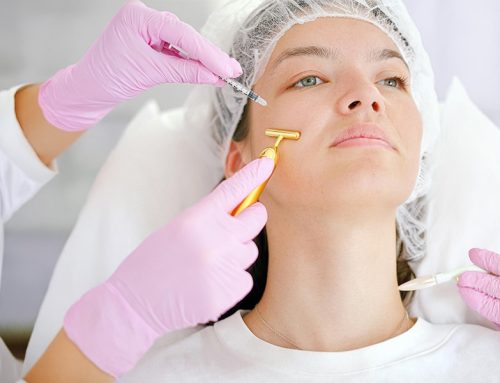
For axillary hyperhidrosis, treatment involves approximately 15-20 injections per underarm using a very fine needle, with a starch-iodine test beforehand to map the areas of maximal sweating. The procedure takes 20-30 minutes. A mild stinging sensation during injection is the main discomfort — the underarm is generally well-tolerated. Results last 6-9 months for most patients, with some patients reporting 12 months of dryness after treatment. Palmar hyperhidrosis can also be treated effectively, though the palms are more sensitive and require local anaesthetic blocks for comfortable treatment. The treatment does not affect the body’s overall thermoregulatory capacity — other areas continue to sweat normally.
If excessive sweating is significantly affecting your daily life, clothing choices, or professional confidence, this is a condition with highly effective treatment. It is not something you have to simply manage with antiperspirants indefinitely.
Book a consultation: wa.me/919381218003
— Dr. Nishita Ranka | Consultant Dermatologist | Dr. Nishita’s Clinic for Skin, Hair & Aesthetics, Hyderabad