The lips are a distinct skin structure — thinner, lacking sebaceous glands, and without the melanin-providing stratum corneum of facial skin — which makes them uniquely vulnerable to dryness, UV damage, and pigmentation changes. In Indian patients, lip hyperpigmentation is one of the most frequently mentioned concerns in skin consultations, often alongside chronic dryness that doesn’t respond adequately to standard lip balms.
Why Lips Darken
Lip hyperpigmentation in Indian patients has several common causes: UV exposure (the lips have minimal natural UV protection), habitual licking (saliva repeatedly strips the thin lip surface of its moisture, causing inflammation and secondary pigmentation), smoking (nicotine and combustion products directly stimulate melanocytes in the lip tissue), certain toothpastes and dental products (contact sensitisers that cause localised pigmentation), and constitutional hyperpigmentation (common in darker skin types, where the vermillion border shows more visible pigmentation than in lighter skin).
What Works for Lip Pigmentation
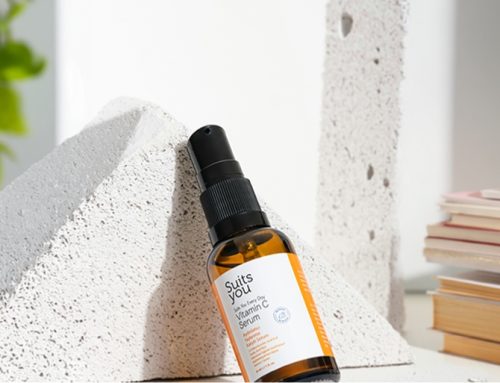
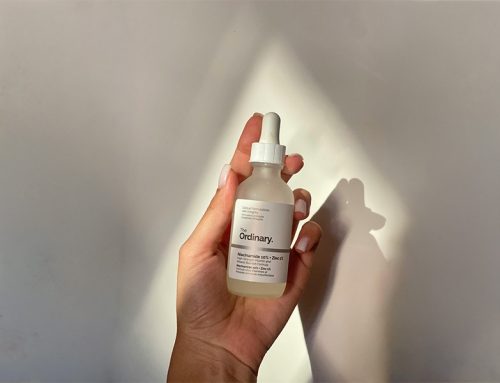
Topical treatments for lip pigmentation require careful product selection — the lip skin is thin and more permeable than facial skin, and products designed for the face can cause irritation or systemic absorption concerns. Low-concentration topical vitamin C (in a lip-safe formulation), niacinamide, and kojic acid-based lip treatments have the best profile for lip lightening. Sun protection — SPF-containing lip balm — is essential and underused. Retinoids can be applied to the lip border area at low concentration, carefully and infrequently, under dermatological guidance. For significant lip pigmentation, Q-switched laser is effective and produces meaningful lightening with an appropriate number of sessions.
Managing Chronic Lip Dryness
True lip care starts with stopping the behaviours that cause dryness: lip licking, picking, and over-reliance on flavoured or camphor-containing lip balms (which cause a cooling sensation that encourages repeated application while providing minimal barrier repair). A simple, unflavoured, petrolatum or shea butter-based balm applied consistently is more effective than most premium lip products. Humidifying the sleeping environment and adequate systemic hydration are the non-topical fundamentals.
Book a consultation: wa.me/919381218003
— Dr. Nishita Ranka | Consultant Dermatologist | Dr. Nishita’s Clinic for Skin, Hair & Aesthetics, Hyderabad