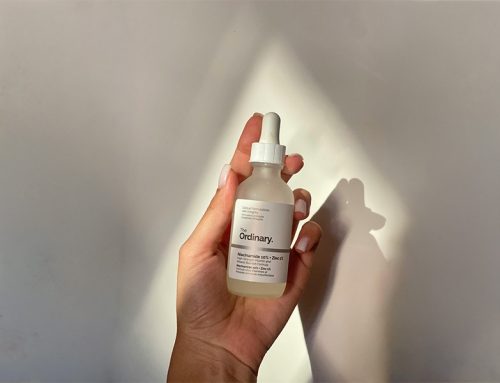
Niacinamide — vitamin B3 — has earned its place as one of the most consistently useful ingredients in evidence-based skincare. It is well-tolerated across skin types, non-irritating, and genuinely multi-functional. But the marketing around it has inflated expectations, and a significant number of patients use it at the wrong concentration, in the wrong formulation, or for concerns it cannot meaningfully address. Here is a grounded clinical perspective.
What Niacinamide Does
At clinically studied concentrations (2-5%), niacinamide reduces sebum production, improves skin barrier function (by increasing ceramide synthesis), reduces the transfer of melanosomes from melanocytes to keratinocytes (thereby reducing pigmentation over time), and has mild anti-inflammatory effects. It is one of the few ingredients with evidence across multiple skin concerns — oiliness, pores, pigmentation, and barrier support — making it a genuinely versatile addition to most routines.
The Concentration Question
5% niacinamide is the concentration with the most robust clinical evidence. Products at 10% and above exist and are marketed aggressively, but the evidence for additional benefit at higher concentrations is not strong, and some individuals — particularly those with sensitive skin — experience flushing or irritation at concentrations above 5%. For the majority of patients, 4-5% is the optimal range. The presence of niacinamide in a formulation at an unstated or very low concentration (common in mass-market products that list it simply as an ingredient without percentage) produces minimal clinical benefit.
What It Cannot Do
Niacinamide is not a primary treatment for melasma, acne, or significant pigmentation. It supports these concerns as part of a broader protocol but should not be the sole active ingredient if the concern is clinically significant. For melasma, it works best alongside sunscreen and dedicated depigmenting agents. For acne, it is a useful adjunct but does not replace retinoids or salicylic acid as primary interventions. Realistic expectations are the difference between a useful addition to a routine and a disappointing sole reliance on one ingredient.
Book a consultation: wa.me/919381218003
— Dr. Nishita Ranka | Consultant Dermatologist | Dr. Nishita’s Clinic for Skin, Hair & Aesthetics, Hyderabad