Laser hair reduction is one of the most requested treatments at our clinic — and also one where the experience and technology vary most dramatically between providers. For Indian skin, getting the technology choice right is the difference between effective, safe hair reduction and burns, PIH, or paradoxical hypertrichosis (increased hair growth). This guide covers what you need to know.
How It Works
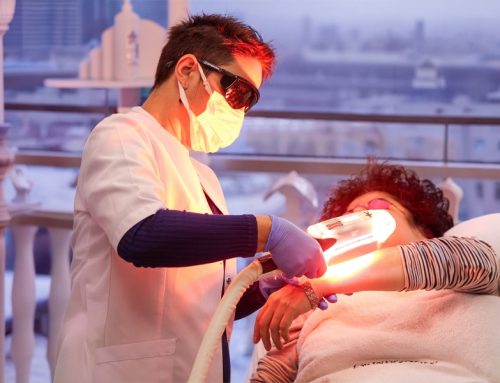
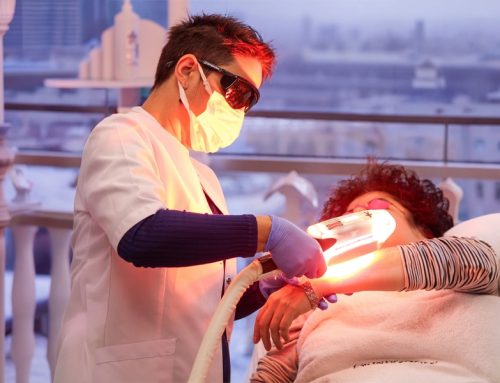
Laser hair reduction works on the principle of selective photothermolysis: laser energy at a specific wavelength is selectively absorbed by melanin in the hair follicle, converting to heat that damages the follicle and inhibits future hair growth. The hair must be in the anagen (active growth) phase for treatment to be effective — which is why multiple sessions are required, as only a proportion of hairs are in anagen at any given time. The result is a permanent reduction in hair density and thickness, with most patients achieving 80-90% reduction after a complete course of treatment.
Why Laser Choice Matters for Indian Skin
The central challenge of laser hair reduction in Indian skin is the competition between melanin in the hair follicle (the target) and melanin in the surrounding skin (which should not be damaged). Devices that work well on fair skin — particularly the older alexandrite (755nm) laser — are associated with significantly higher rates of burns and PIH in darker Indian skin tones. The Nd:YAG 1064nm laser has a longer wavelength that penetrates more deeply and is less absorbed by epidermal melanin, making it the safest and most appropriate technology for Fitzpatrick types IV–VI. Diode lasers (800-810nm) are effective and appropriate for most Indian skin tones with proper settings. IPL (intense pulsed light) is not a laser — it is a broad-spectrum light source — and while effective on fairer skin, is less appropriate for darker Indian skin types and has a higher risk profile in this population.
What to Expect from Treatment
A standard course is 6-8 sessions spaced 4-6 weeks apart for the face, and 6-8 weeks apart for the body. Each session produces progressive reduction. Sessions are tolerated with cooling systems — most patients describe a mild stinging sensation. Post-treatment sun protection is essential: treated skin is more photosensitive and UV exposure increases PIH risk. Some hair reduction is permanent; maintenance sessions once or twice a year may be needed for the small proportion of hairs that are not fully eliminated in the initial course.
Book a consultation: wa.me/919381218003
— Dr. Nishita Ranka | Consultant Dermatologist | Dr. Nishita’s Clinic for Skin, Hair & Aesthetics, Hyderabad