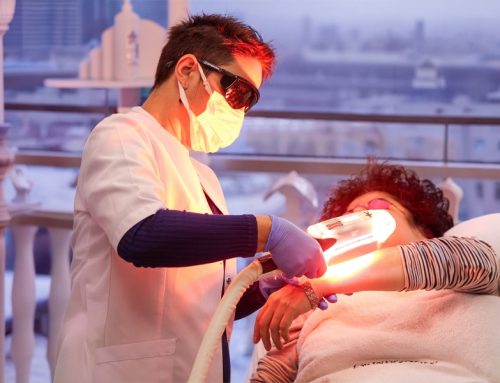
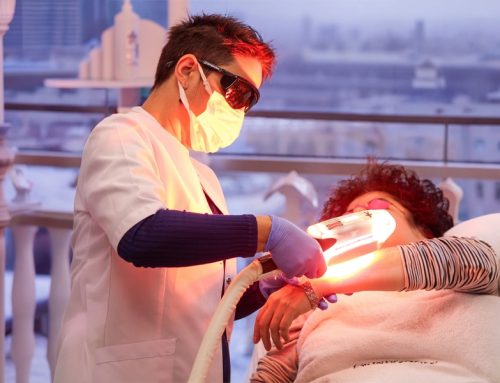
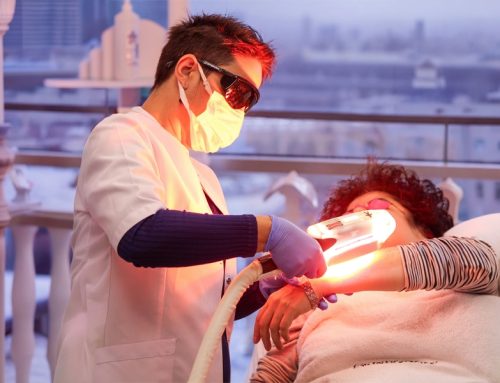
For patients with stubborn melasma, recalcitrant PIH, or diffuse pigmentation that has not responded adequately to standard topical treatment, Cosmelan and Dermamelan represent two of the most powerful in-clinic depigmentation options available. Both are professional peel systems — not standard chemical peels, but intensive depigmentation protocols that work through multiple mechanisms simultaneously. Understanding how they differ helps in determining which is more appropriate for a given patient.
How They Work
Both Cosmelan (by Mesoestetic) and Dermamelan (by Isdin) are multi-ingredient depigmentation systems applied in-clinic as a mask, left on for a prescribed duration, then removed. They combine multiple tyrosinase inhibitors — azelaic acid, kojic acid, phytic acid, retinol, and others depending on formulation — to attack melanin production through several pathways simultaneously. This multi-target approach is significantly more effective than single-ingredient topical treatments for established, deep pigmentation. Both protocols continue at home with a maintenance cream for several months after the in-clinic treatment.
Cosmelan vs Dermamelan — Key Differences
Cosmelan is a well-established protocol with a longer track record in India and globally. It is available in two formulations — the original and Cosmelan 2 for maintenance. Dermamelan is a newer protocol with a somewhat different ingredient combination and a claim of addressing both epidermal and dermal pigmentation more comprehensively. In clinical practice, both produce significant depigmentation results; the choice often comes down to the patient’s specific pigmentation pattern, skin type, and the clinic’s experience with each protocol. We use both at our clinic and select based on individual assessment.
What to Expect
Both treatments produce a significant inflammatory response in the days following the in-clinic application — redness, peeling, and temporary darkening before clearance. This is expected and is part of the process. Strict sun protection and home maintenance are non-negotiable. Results develop over 4-8 weeks, with full clearance assessment at 3 months. Both protocols require commitment to the maintenance phase — stopping home treatment prematurely leads to recurrence.
Book a consultation: wa.me/919381218003
— Dr. Nishita Ranka | Consultant Dermatologist | Dr. Nishita’s Clinic for Skin, Hair & Aesthetics, Hyderabad