Microneedling has moved from a niche aesthetic procedure to one of the most widely performed skin treatments in dermatology clinics — and simultaneously one of the most performed in beauty salons and by patients at home with dermarollers. This accessibility has generated a significant amount of confusion about what the treatment actually is, what it can and cannot do, and what separates a safe, effective clinical procedure from an at-home routine that can cause more harm than good.
What Microneedling Actually Is
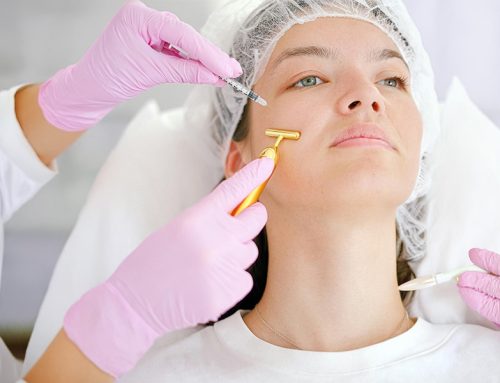
Microneedling — also called collagen induction therapy — uses fine needles to create controlled micro-injuries in the dermis. These micro-channels trigger the skin’s wound-healing response: growth factors are released, fibroblasts are activated, and new collagen and elastin are produced. Over time and with repeated sessions, this leads to improved skin texture, reduced scar appearance, tighter pore size, and overall skin quality improvement.
The depth of needle penetration is critical. Superficial needling (0.1-0.3mm) affects primarily the epidermis and produces limited collagen stimulation. Clinical microneedling (0.5-2.5mm depending on the indication and area) reaches the dermis where the fibroblasts are, producing meaningful collagen induction. This is the fundamental difference between home dermarollers — which typically operate at 0.1-0.3mm — and professional devices like the Dermapen4 we use at our clinic.
What It Treats
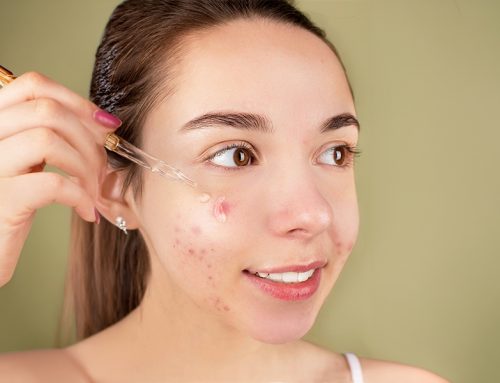
Microneedling is effective for atrophic acne scars (depressed scars), enlarged pores, skin texture improvement, fine lines, and overall skin quality enhancement. It is one of the few treatments that works well for acne scars on Indian skin — where aggressive resurfacing lasers carry a higher risk of post-inflammatory hyperpigmentation — because it stimulates collagen without significant epidermal disruption.
It is not effective for raised or hypertrophic scars, active acne, keloids, or pigmentation disorders as a standalone treatment. It can be combined with other treatments — topical serums infused during the procedure, PRP or GFC post-needling, or radiofrequency (MNRF) — to enhance specific outcomes.
The Home Dermaroller Question
At-home dermarollers are not the same as clinical microneedling. Beyond the depth limitation, there is a significant hygiene and sterility concern: a clinical microneedling device uses a single-use sterile tip for each patient. Dermarollers used at home accumulate bacteria with each use, and repeated rolling on the same skin introduces those bacteria into micro-channels in the skin — a meaningful infection risk. Additionally, the rolling motion of a dermaroller creates different, less precise micro-channels than the stamping motion of a Dermapen, leading to more epidermal trauma relative to dermal stimulation.
We do not recommend home dermarolling as a substitute for clinical microneedling. If cost is a consideration, infrequent clinical sessions are safer and more effective than frequent home rolling.
What to Expect from Treatment
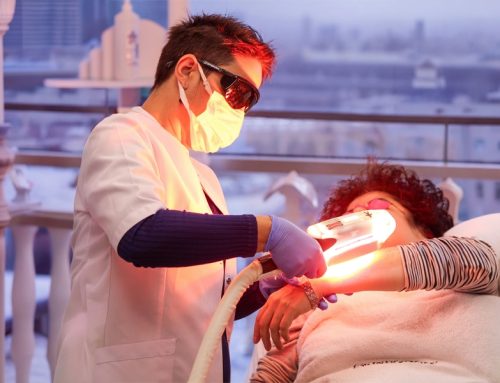
A clinical microneedling session begins with topical anaesthetic applied for 30-40 minutes. The procedure itself takes 20-30 minutes. Immediately post-treatment, the skin appears red and slightly swollen — similar to a moderate sunburn. This typically resolves within 24-48 hours. Some patients experience mild peeling or dryness in the following days as the skin renews.
Downtime is minimal but real — most patients prefer to have sessions on a Thursday or Friday to be presentable by Monday. Sun protection post-treatment is non-negotiable: the skin is more photosensitive in the days following needling, and UV exposure at this stage can trigger PIH in Indian skin.
A standard protocol for acne scar treatment is 4-6 sessions spaced 4 weeks apart, with improvement continuing for several months after the final session. Results are cumulative — each session builds on the previous one, and the final outcome at 6 months post-treatment is significantly better than at 6 weeks.
If you are considering microneedling for acne scars, texture improvement, or any other skin concern, a consultation will establish the right protocol and help you understand what results are realistically achievable for your specific skin type and concern.
Book a consultation at Dr. Nishita’s Clinic: wa.me/919381218003
— Dr. Nishita Ranka | Consultant Dermatologist | Dr. Nishita’s Clinic for Skin, Hair & Aesthetics, Hyderabad