Open pores — or enlarged pores — are one of the most common skin concerns we address at our clinic. They are also one of the most misunderstood, which has created a market full of products that promise to “shrink” or “close” pores and deliver very little. Understanding what pores actually are and why they appear enlarged is the starting point for treating them effectively.
What Pores Are and Why They Enlarge
Pores are the openings of hair follicles on the skin’s surface. Every hair follicle has an associated sebaceous (oil) gland, and the pore is the opening through which sebum reaches the surface. Pore size is primarily determined by genetics — you inherit the size and density of your follicles. There is no treatment that permanently changes the genetic diameter of your pores.
However, pores appear larger than their anatomical size for several reasons: excess sebum production stretches the follicle opening; accumulated dead skin cells and debris within the follicle (comedones) dilate the pore; loss of collagen and elasticity with age causes the skin to lose its ability to spring back around the pore; and sun damage — particularly significant in Indian skin — accelerates this collagen degradation and pore enlargement.
In Indian skin, oiliness and sebum overproduction are extremely common — driven by heat, humidity, and genetic factors — and are the primary driver of visible pore enlargement in the majority of patients we see.
What Doesn’t Work
Ice, cold water, and pore-minimising toners do not shrink pores. They cause temporary vasoconstriction that can create a brief tightening sensation, but they have no effect on follicle diameter and no lasting impact on appearance. Pore strips remove superficial comedonal plugs but do not change the underlying sebum production or follicle size — pores refill within days. Products containing pore-refining claims based on silicones provide optical blurring without any actual physiological effect on the skin.
What Actually Works
The most clinically effective approach to pore minimisation addresses the underlying causes: sebum production, comedone formation, and skin elasticity.
Retinoids — topical tretinoin or adapalene — are the most evidence-based topical treatment for enlarged pores. They normalise follicular keratinisation (preventing the build-up of dead cells that blocks and stretches the pore), reduce sebum production over time, and stimulate collagen synthesis that improves the skin’s elasticity around follicle openings. Regular use over 3-6 months produces a measurable reduction in visible pore size.
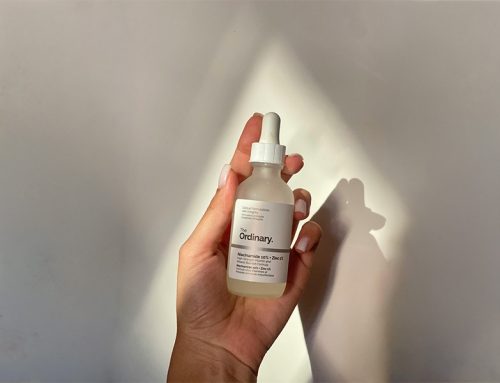
Niacinamide at 4-5% concentration has good evidence for sebum regulation and mild pore appearance improvement. It is well-tolerated in Indian skin and an appropriate addition to a pore-focused routine.
AHAs — glycolic acid, lactic acid — improve surface texture and reduce the dead cell accumulation that contributes to visible pore enlargement. Regular chemical exfoliation (not physical scrubs, which can cause micro-trauma and worsen oiliness) is an important part of a maintenance routine for pore-prone skin.
In-Clinic Treatments
For patients who want more significant improvement, several clinic-based treatments are effective. Chemical peels — particularly salicylic acid peels, which are lipophilic and penetrate the follicle — address sebum and comedone accumulation directly and improve pore appearance with regular sessions. Microneedling stimulates collagen remodelling in the dermis surrounding the follicles, which physically supports and tightens the pore opening over time. MNRF (Microneedling Radiofrequency) combines this collagen stimulation with radiofrequency energy for a more pronounced tightening effect — one of the most effective clinic treatments for enlarged pores and skin texture improvement in Indian skin.
Laser treatments — particularly fractional resurfacing — can also produce significant pore improvement by stimulating collagen remodelling and improving overall skin texture.
The right combination of topical maintenance and clinical treatment, tailored to your skin type and severity, is the most effective approach. If enlarged pores are a significant concern for you, a skin consultation is the place to start.
Book a consultation at Dr. Nishita’s Clinic: wa.me/919381218003
— Dr. Nishita Ranka | Consultant Dermatologist | Dr. Nishita’s Clinic for Skin, Hair & Aesthetics, Hyderabad