The tear trough is the hollow that forms between the lower eyelid and the upper cheek. When it deepens — as it commonly does with age, volume loss, or genetics — it creates a shadow that reads as tiredness, even when you are well-rested. It is one of the most ageing features of the face, and it is also one of the most frequently mistreated.
Tear trough filler is among the most technically demanding procedures in facial aesthetics. When done well, the result is transformative. When done incorrectly, the complications — including the Tyndall effect, persistent swelling, and vascular injury — can be difficult to reverse. This post is an honest guide to who genuinely benefits from this treatment and who needs something different.
Understanding the Tear Trough
The tear trough deformity occurs along the orbital rim — the bony ridge surrounding the eye socket. With age, the fat pads of the midface descend, the orbital rim becomes more prominent, and the skin in this area thins. The result is a concavity that casts a shadow, creating the appearance of dark circles and hollowness regardless of how rested or hydrated you are.
It is important to distinguish between tear trough hollowness and dark circles caused by pigmentation. Filler addresses volume loss — the hollow. It does not address melanin-based pigmentation. Patients with brown-black discolouration of the under-eye area that is flat (not hollow) require a different approach: topical treatments, chemical peels, or laser — not filler. We frequently have to have this conversation at our clinic because these two conditions are often conflated.
Who Is a Genuine Candidate
The ideal tear trough filler candidate has a distinct hollow under the eye with a visible shadow — not flat pigmentation. They have adequate skin thickness in the under-eye area (very thin, crepey skin increases the risk of visible filler, including the Tyndall effect — a bluish discolouration caused by HA filler sitting too superficially). They do not have significant festoons or malar bags (fluid-filled swellings along the cheekbone that filler can worsen). And they have realistic expectations: the goal is improvement, not perfection.
Many patients who believe they need tear trough filler actually need cheek filler first. The midface and under-eye are structurally connected — restoring volume in the cheeks can lift the tear trough and reduce hollowness without any product being placed in the delicate under-eye area itself. We assess the full midface before recommending any under-eye injection.
Who Should Not Have It — or Should Wait
Patients with very thin under-eye skin, significant puffiness or festoons, predominantly pigmentation-based dark circles, or active eye conditions are not suitable candidates. Patients who have had previous filler in the area that has migrated or caused persistent swelling need careful assessment before additional product is added — more filler is not the solution to poorly placed filler.
Age is also a consideration. Very young patients (early 20s) with hollow tear troughs often have a structural issue best addressed with lifestyle — hydration, sleep, iron levels — before injectable intervention is considered.
The Procedure
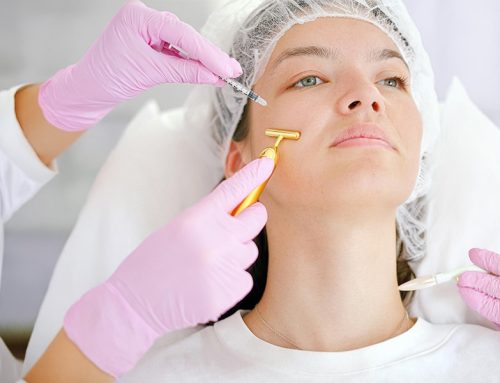
When we do perform tear trough filler, we use a cannula — a blunt-tipped instrument that allows safer navigation of the under-eye area with significantly reduced risk of bruising and vascular complication compared to a sharp needle. A very soft, low-viscosity hyaluronic acid filler is used — not the same product used in the cheeks or lips. Placement is deep, against the bone. The amount of product used is small — overcorrection is one of the most common errors and produces an unnatural, puffy result.
Post-treatment, mild swelling and occasional bruising are expected and resolve within a week. The final result is assessed at 4 weeks, at which point we determine whether any refinement is needed.
If you are concerned about under-eye hollowness and want an honest assessment of whether filler is the right solution — or whether something else will serve you better — that is exactly the kind of evaluation we provide.
Book a consultation at Dr. Nishita’s Clinic: wa.me/919381218003
— Dr. Nishita Ranka | Consultant Dermatologist | Dr. Nishita’s Clinic for Skin, Hair & Aesthetics, Hyderabad