Vitamin C is one of the most evidence-based ingredients in skincare — and one of the most confusing to navigate as a consumer. Understanding the science helps cut through the noise and choose something that actually delivers results for Indian skin.
What Vitamin C Does
Ascorbic acid neutralises free radicals from UV and pollution, inhibits tyrosinase to reduce pigmentation, and supports collagen synthesis. These three functions make it genuinely valuable for Indian patients dealing with pigmentation and photoageing.
The Stability Problem
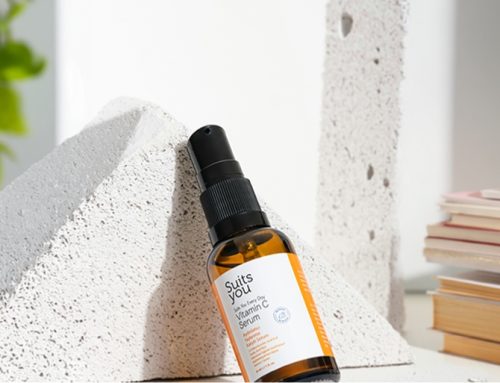
Pure ascorbic acid oxidises rapidly when exposed to light, air, and heat — turning orange or brown as it degrades. Oxidised vitamin C is ineffective and potentially pro-oxidant. Look for: an opaque or dark bottle; airless pump packaging; a formulation at pH 3-3.5; and a concentration of 10-20%. Below 10% has limited efficacy; above 20% increases irritation without proportional benefit.
Derivatives and How to Use
Stabilised derivatives — ascorbyl glucoside, sodium ascorbyl phosphate — are more stable but less potent. For sensitive skin that finds pure ascorbic acid irritating, these offer a gentler alternative. Apply vitamin C in the morning after cleansing, before moisturiser and sunscreen — this is when its antioxidant function is most clinically relevant. Store in a cool dark place and replace when it turns noticeably yellow or brown. Effective shelf life once opened: 3-6 months.
Book a consultation: wa.me/919381218003
— Dr. Nishita Ranka | Consultant Dermatologist | Dr. Nishita’s Clinic for Skin, Hair & Aesthetics, Hyderabad