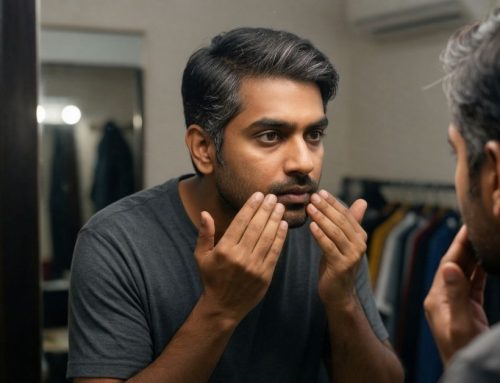
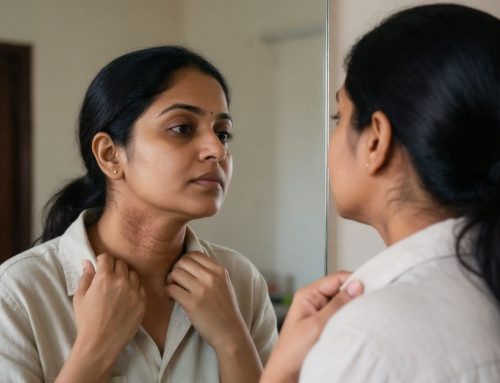
Diwali is a lot of things. Lights, sweets, family, late nights. For many people it is also a week of itchy eyes, a face that feels tight and dull, and a rash they can’t quite explain.
If your skin tends to act up around the festival, you are not imagining it. The air during Diwali is different from the air the rest of the year, and your skin is the part of you that meets it first.
This guide covers what firecracker smoke does to the skin, which symptoms are worth noticing, what you can do before and after, and when it is time to see a dermatologist.
What is actually in the air during Diwali
Burning crackers releases a mix of fine particles and gases. You will see the smoke, but much of what matters is invisible.
- Fine particulate matter (PM2.5 and PM10). These are tiny particles that stay in the air for hours and settle on skin, hair and clothes.
- Gases such as sulphur dioxide and nitrogen oxides. These can irritate the skin, eyes and airways.
- Metal compounds. Crackers get their colours from metal salts, so the smoke can carry traces of metals.
- Soot and ash. These sit on the skin and can clog pores or irritate the surface.
Cities already carry a baseline level of pollution. Festival nights stack more on top of it, often in a short time, and the air can stay heavy the next morning.
How pollution can affect the skin
Your skin has a protective outer layer, the barrier. It keeps moisture in and irritants out. Research on air pollution and skin points to a few ways pollutants can interfere with that.
They can weaken the barrier. When the barrier is disturbed, skin loses water more easily. It feels dry, tight and sometimes stings when you apply a product that normally feels fine.
They create oxidative stress. Pollutant particles can trigger reactive molecules in the skin that, over time, are linked with dullness and uneven tone. This is a slow effect. One festival will not age your skin, but regular exposure is a different story.
They can trigger inflammation. For people who already have eczema, rosacea, acne or sensitive skin, the extra irritation can set off a flare.
They sit on the surface. Soot and particles mixed with sweat and oil can block pores and make existing breakouts worse.
It helps to keep this in proportion. Studies link long-term exposure to pollution with skin concerns, and the evidence on short bursts like a festival week is less clear. What most dermatologists see is simpler. People with sensitive or already inflamed skin tend to notice more trouble in the days after heavy smoke.
Symptoms to watch for after Diwali
Not every reaction means something serious. These are the common ones.
Dryness and tightness. Your skin feels rough or scaly, and moisturiser seems to vanish.
Itching. Often mild, sometimes strong enough to disturb sleep.
Redness and stinging. Especially on the cheeks and around the eyes and nose.
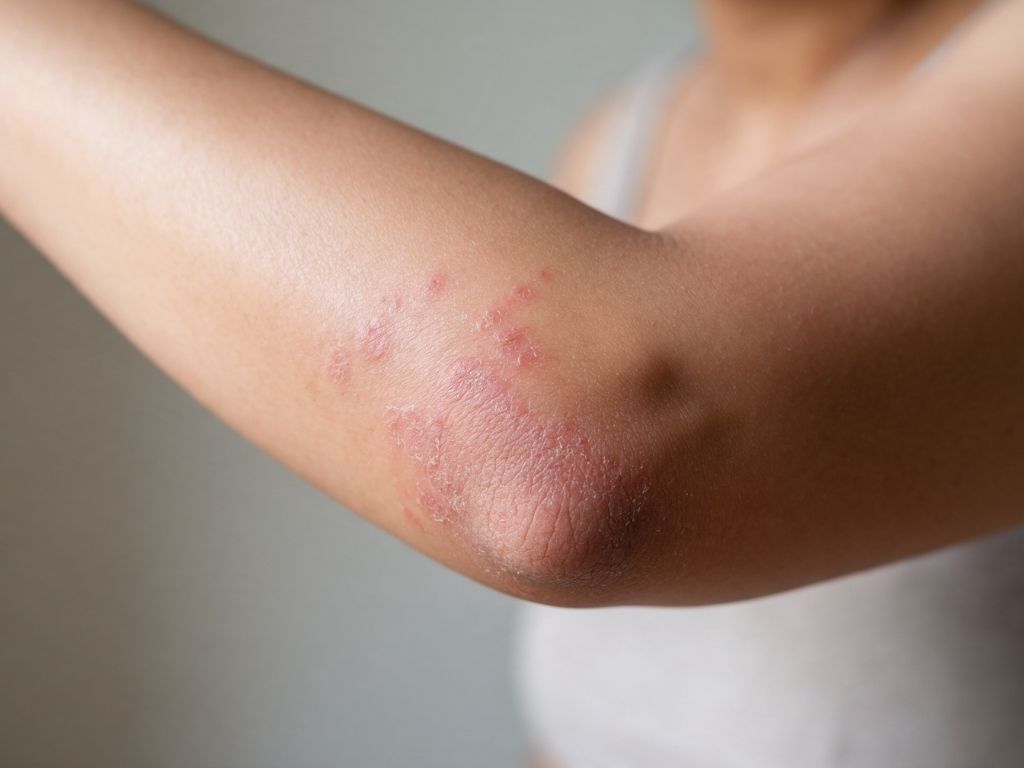
Eczema flares. People with atopic dermatitis may see new patches on the face, neck, elbows or behind the knees.
Acne flare-ups. More whiteheads, blackheads or inflamed pimples than usual.
Contact dermatitis. A rash that appears where something touched you, such as the hands that held a sparkler, or the forehead where a handkerchief rubbed.
Dull, tired-looking skin. Not a medical problem on its own, but a sign the surface needs gentle care.
Burning or watery eyes. The skin around the eyes is thin and reacts first.
Skin burns from crackers are a separate thing
Burns are the most urgent skin problem of the season, so they deserve their own mention.
For a small, minor burn:
- Hold the area under cool running water for about 20 minutes.
- Remove rings or tight clothing near the area before it swells.
- Cover loosely with a clean, non-fluffy cloth.
- Do not apply toothpaste, ice, butter or home remedies.
See a doctor promptly if the burn is bigger than your palm, blistering heavily, on the face, hands, genitals or over a joint, or if it is a child who is hurt. Any burn that looks deep or white and leathery needs emergency care.
Who tends to be affected more
- People with eczema or very dry skin
- Those with rosacea or sensitive skin
- People with acne-prone skin
- Children, whose skin barrier is still developing
- Older adults, whose skin tends to be drier and thinner
- Anyone who has recently had peels, laser or other treatments that leave the skin more reactive for a while
If you fall into one of these groups, a little extra planning is worth it.
Before Diwali: simple steps
Strengthen your routine. A gentle cleanser, a plain moisturiser and a daily sunscreen will do more for you than a new product you have never tried.
Do not start anything new. The week of heavy smoke is a poor time to try a new acid, retinoid or strong scrub. Your skin is already working hard.
Keep medicines handy. If a doctor has prescribed something for your eczema or acne, keep using it as advised and carry it with you.
Plan where you will be. Watching fireworks from a safe distance, upwind and in an open area, exposes you to less smoke than standing in the middle of it.
During the festival: practical precautions
- Cover up where you can. Full sleeves and a scarf or dupatta over the neck help keep soot off bare skin.
- Wear a well-fitting mask if you will be close to heavy smoke. It protects the nose, mouth and some of the face.
- Wash your hands before touching your face or eyes.
- Do not rub your eyes if they sting. Rinse with clean, cool water instead.
- Keep windows closed during the heaviest smoke if you can, and use a clean air filter indoors if you have one.
- Carry a gentle wet wipe or face mist for quick, soft cleaning. Skip harsh, alcohol-heavy ones.
After Diwali: how to care for your skin
When you get home, take a few minutes. It matters more than almost anything else on this list.
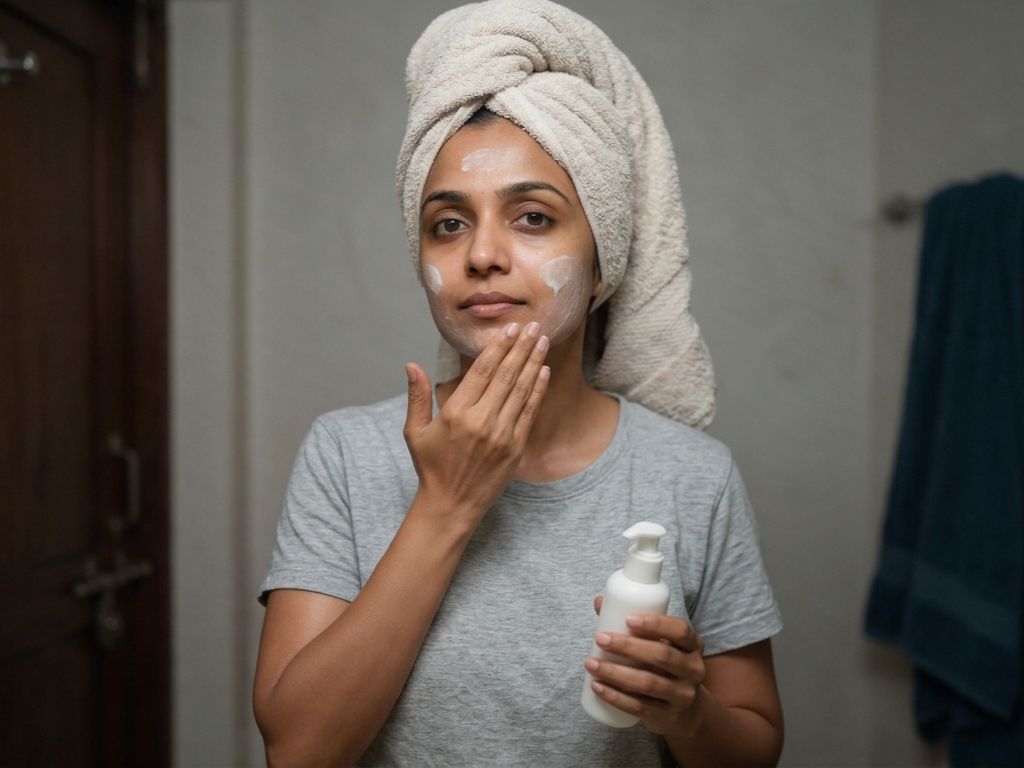
Wash your face and any exposed skin. Use lukewarm water and a mild cleanser. Do not scrub. Soot comes off with gentle washing, and scrubbing only irritates an already stressed barrier.
Take a shower and change clothes. Particles settle on hair and fabric. If you go to bed in them, they end up on your pillow and your face.
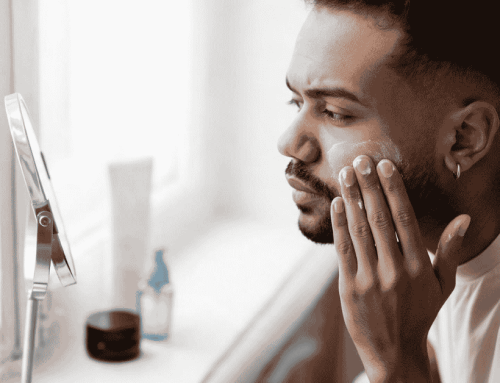
Moisturise right after. Apply it while your skin is slightly damp. Choose something plain, fragrance-free and non-greasy if you are acne-prone.
Use sunscreen the next morning. Even when the sky is hazy, UV still reaches you.
Keep the routine boring for a few days. Skip exfoliating, strong actives and fancy masks until your skin feels calm.
Drink water and sleep. It is not a cure, but a tired body does not help tired skin.
What to avoid
- Home remedies for rashes. Lemon, toothpaste, raw onion or baking soda can burn or inflame skin that is already irritated.
- Steroid creams from the pharmacy counter. They can help in the right case and cause real damage in the wrong one, especially on the face. Use them only if a doctor has advised you.
- Scrubbing off soot. Gentle, patient washing works better.
- Layering many products in the hope that one will help.
When to see a dermatologist
Mild dryness or a bit of redness usually settles in a few days with gentle care. It is reasonable to get it looked at if:
- The rash or itching lasts more than a week
- Skin is cracking, weeping, blistering or swollen
- Your eczema or acne is flaring badly and your usual routine is not helping
- You have a burn that is larger than a small spot, or on the face or hands
- Your eyelids or the skin around your eyes are swollen or very painful
- You have trouble breathing, wheezing or chest tightness. This needs a doctor, not a skin routine
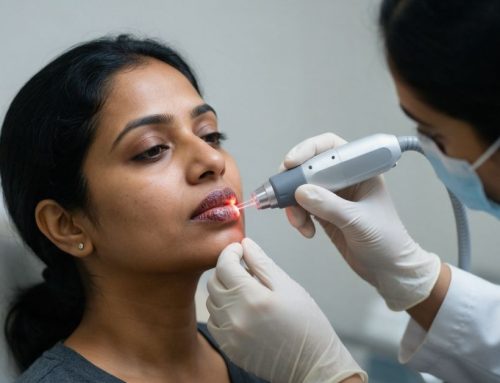
A dermatologist can work out whether you are dealing with a simple irritation, contact dermatitis, an eczema flare or something else, and suggest treatment that suits your skin.
A quick checklist
| When | What to do |
| Before | Keep the routine simple, no new products, carry prescribed medicines |
| During | Cover up, keep distance, wash hands, do not rub eyes |
| Right after | Wash gently, shower, change clothes, moisturise |
| Next few days | Sunscreen, plain routine, skip harsh actives |
| If symptoms persist | Get it checked, avoid self-treating with steroids |
FAQs
Can firecracker smoke cause a rash?
It can irritate the skin, and some people develop contact dermatitis or an eczema flare after heavy exposure. A rash after Diwali is not always from smoke, though. Touching a sparkler, a new cosmetic or a festive outfit dye can also be the reason.
Does pollution cause pigmentation or ageing?
Studies link long-term exposure to air pollution with uneven skin tone and signs of ageing. One festival week is unlikely to do that by itself, but repeated exposure over the years may add up.
Is it okay to use a face wash with salicylic acid after Diwali?
If your skin feels irritated or tight, it is better to use a gentle cleanser for a few days and bring actives back once your skin calms down. If you are on a doctor-advised routine, follow that.
My eyes burn after the fireworks. What should I do?
Rinse gently with clean, cool water and avoid rubbing. If the burning, redness or blurred vision continues, see an eye doctor.
Should I use a sunscreen when it is smoky or hazy?
Yes. Haze does not block UV completely, and your skin may already be more sensitive than usual.
Can children’s skin be affected too?
Yes. Their skin barrier is still developing and they tend to touch their faces more. Keep them at a safe distance from fireworks, wash their hands and faces afterwards, and see a doctor for any burn or persistent rash.
Do air purifiers help skin?
A good filter can reduce the particles in the air you breathe indoors. It is a helpful extra for people with sensitive skin or breathing problems, not a replacement for skin care.
The takeaway
Diwali smoke is mostly a problem of irritation: a stressed barrier, a bit of dryness, and flares for people who are already prone to them. Cover up, wash gently, moisturise and keep your routine plain. Most skin settles in a few days.
If something does not settle, or if you have a burn, do not wait it out.
If you would like your skin assessed, you can contact Dr. Nishita’s Clinic for Skin, Hair & Aesthetics in Banjara Hills, Hyderabad. Treatment is advised only after consultation. Individual results vary.
Medically reviewed by Dr. Nishita Ranka, MBBS, DDVL – Dermatology, [SMC/NMR Reg. No.]. This article is for general information and is not a substitute for medical advice.
Book a consultation: wa.me/919381218003
— Dr. Nishita Ranka | Consultant Dermatologist | Dr. Nishita’s Clinic for Skin, Hair & Aesthetics, Hyderabad
Explore More Articles: