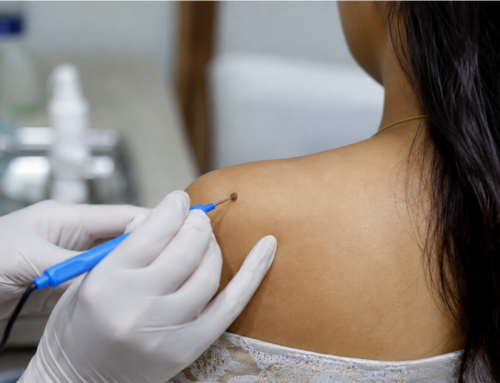
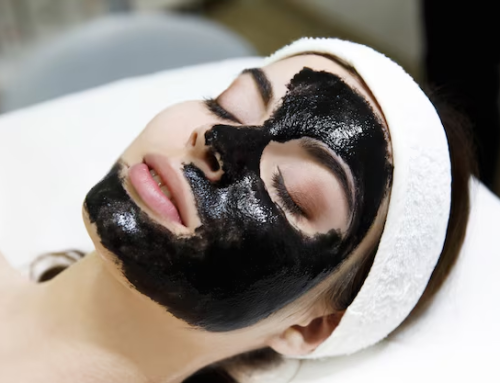
Lips are meant to be a shade of pink, brown or deep rose, depending on your skin tone. But sooner or later, many people notice their lips looking darker than they remember, or patchy, or uneven in colour. Some assume it is the lipstick. Some blame tea or coffee. Some quietly start searching “how to remove dark lips” at midnight.
Before you reach for a home remedy, it helps to know that dark lips are very common, usually harmless, and almost always have a reason. Once you know the reason, the right fix becomes much clearer.
First, What Is “Normal”?
Lip colour is set largely by genetics and skin tone. If you have a deeper skin tone, naturally darker lips are completely normal, and nothing is wrong. Lips also tend to be darker in people who have always had them that way, since childhood.
What this guide covers is a change: lips that have become darker over time, look uneven, or have dark patches or edges.

Common Causes of Dark Lips
1. Sun exposure
Lips have very little natural protection from the sun. They have far less melanin than the rest of your skin, and yet they are exposed all day. Repeated sun exposure can darken the lips and make them look uneven. Few people think to apply sunscreen to their lips, which is exactly why it matters.
2. Smoking
Smoking is one of the best-known causes of dark lips. Nicotine and heat from smoke can stimulate pigment cells. This can lead to a grey-brown darkening, sometimes called smoker’s melanosis. Quitting often helps the colour improve over time.
3. Licking, biting and peeling
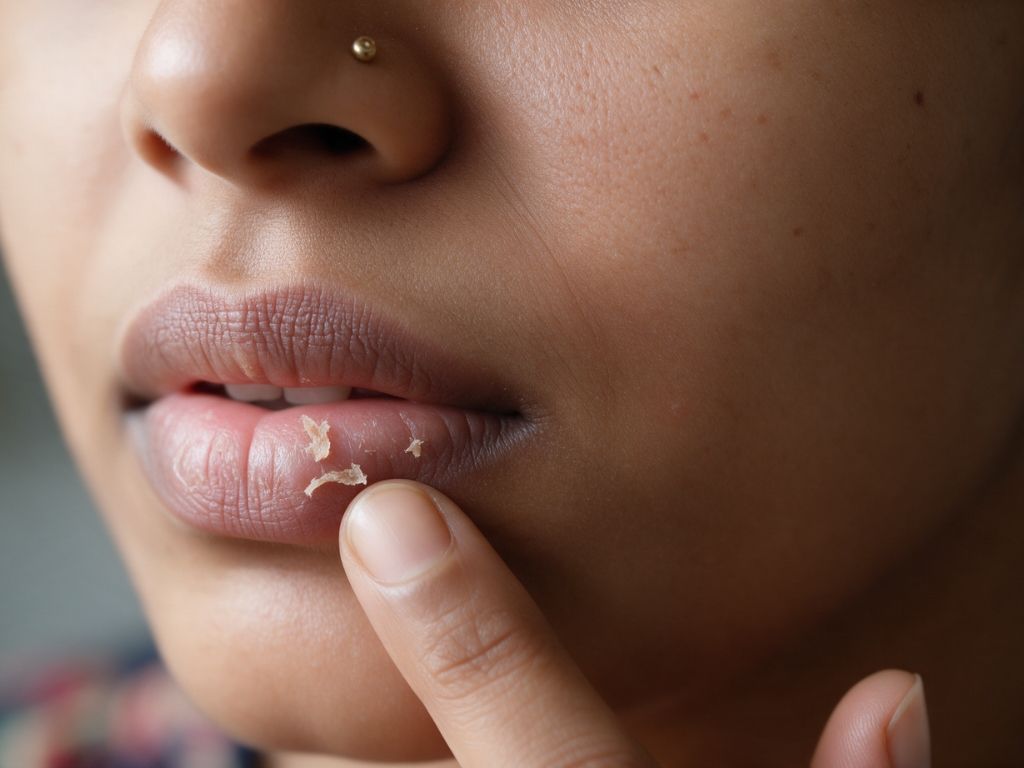
Habitual lip licking, biting or picking at dry skin causes constant low-level irritation. The skin responds by making more pigment. It becomes a cycle: dry lips, licking, irritation, darkening, more dryness.
4. Dryness and dehydration
Chapped, flaky lips can look darker and duller than well-moisturised ones. Dry air, air conditioning and not drinking enough water all add to it.
5. Lip products and allergies
Some lipsticks, glosses, balms, toothpaste and flavouring agents can irritate the lips or cause an allergic reaction in some people. After the reaction settles, the skin may be left with a darker patch. If your lips darkened after starting a new product, that is a useful clue.
6. Caffeine, tea and certain foods
Strong tea, coffee and dark-coloured foods can stain dry lips temporarily. This is surface staining, not true pigmentation, and it usually fades.
7. Medicines
Some medicines can change pigmentation, including a few used for infections, heart conditions and chemotherapy. If you notice changes after starting a medicine, please speak with your doctor before stopping anything.
8. Hormonal changes
Pregnancy, hormonal pills and conditions such as PCOS may change how skin pigments, including around the lips and mouth.
9. Nutrient levels and health conditions
Low iron or vitamin B12 may show up as pale, dull or darker-looking lips in some people. Rarely, dark patches can signal a medical condition. This is one more reason to see a doctor instead of guessing.
10. Post-inflammatory pigmentation
After a cold sore, a cut, an infection or irritation, the lips can be left with a darker mark where they healed. This is the skin’s usual response to inflammation, especially in medium and deeper skin tones.
When Dark Lips Need a Doctor’s Attention
Most dark lips are harmless. But please get checked if:
- A single dark spot or patch appears suddenly, grows, changes shape or has uneven edges
- A dark area bleeds, crusts or does not heal
- Dark spots appear inside the mouth as well
- Your lips darken along with tiredness, weight changes or other symptoms
- The darkening began after a new medicine
A dermatologist can examine the area and, if needed, advise further tests.
What Not to Try at Home
The internet is full of quick fixes for dark lips. Many do more harm than good. Please skip:
- Lemon juice or lemon and sugar scrubs. Lemon can irritate the lips and make the skin more sensitive to sunlight, which can leave them darker.
- Baking soda or toothpaste scrubs. Too harsh for thin lip skin.
- Beetroot, turmeric or raw potato pastes for “lightening”. There is no reliable evidence that they work, and some may irritate or stain.
- Skin-lightening creams not meant for lips. Lips are thin and absorb products quickly. Some creams contain steroids or strong ingredients that can cause long-term damage.
- Scrubbing hard or peeling flakes off. This triggers more pigment.
- Cheap tattoo-style “lip blush” or colour treatments from unqualified providers. Infection and uneven colour are real risks.
What Actually Helps
Everyday habits
- Wear a lip balm with SPF every morning and reapply when you are outdoors.
- Keep lips moisturised. Choose a plain, fragrance-free balm. Apply it through the day and before bed.
- Stop licking and picking. Replace the habit with balm.
- Drink enough water.
- Check your products. If a lipstick or balm seems to trigger dryness or darkening, stop using it and see if things improve.
- If you smoke, quitting is one of the most useful steps for lip colour and for your overall health.
Treatments a dermatologist may suggest
The right treatment depends on what is causing the darkening, which is why an assessment comes first.
- Prescription lip-safe lightening agents. Doctors may use specific ingredients, in the right strength and for a limited time, which is very different from using random creams.
- Gentle chemical peels or exfoliation. Dermatologist-supervised treatments can help shed pigmented surface cells. Lips are delicate, so the type and strength must be chosen carefully.
- Laser treatment for dark lips. Certain lasers can break down excess pigment in the lips. It is done by a trained dermatologist, since lip skin is thin and needs careful settings. Most people need more than one session, and results vary from person to person.
- Treating the underlying cause. If dryness, an allergy, a medicine or a nutrient issue is behind it, addressing that makes any treatment work better.
What to expect from laser or peel treatments
- A consultation first, to check your lips, history and suitability
- A short procedure in the clinic
- Mild redness, tightness or dryness for a short period afterwards, for some people
- Strict aftercare: sunscreen balm, moisturiser and no picking
- Several sessions, spaced weeks apart
No treatment can promise a particular shade, and results are never guaranteed. Pigment can return if the cause, such as sun exposure or smoking, continues.
How Long Does It Take?
Surface darkening from dryness, products or staining can improve in a few weeks once the habit changes. Deeper pigmentation from sun, smoking or old inflammation usually takes longer, and often needs a series of treatments along with good daily care. Your dermatologist can give you a realistic idea after seeing your lips.
A Simple Daily Routine for Healthier Lip Colour
- Morning: gentle lip balm with SPF
- Through the day: reapply balm, especially after eating and when outdoors
- Night: thick, plain moisturising balm
- Weekly: skip scrubs, and let the lips heal on their own
- Always: avoid licking, biting and picking
When to See a Dermatologist
Book a consultation if your lips are getting darker, look patchy, or have not improved after a few weeks of good care. A dermatologist at Dr. Nishita’s Clinic for Skin, Hair & Aesthetics in Banjara Hills, Hyderabad, can identify the likely cause, rule out anything that needs attention, and suggest a plan that suits your skin. Treatment is advised only after consultation, and results vary.
FAQs
Why are my lips turning dark?
Common reasons are sun exposure, smoking, lip licking or biting, dryness, product irritation, medicines, hormonal changes and old inflammation. Genetics also plays a big part in natural lip colour.
How do I remove dark lips naturally?
The safest natural steps are daily SPF lip balm, regular moisturising, drinking water and stopping licking or picking. Avoid lemon, baking soda and harsh scrubs, which can make darkening worse.
Does smoking cause dark lips?
Yes, it can. Smoking may stimulate pigment cells in the lips and lead to grey-brown darkening. Quitting often helps colour improve over time.
Is laser treatment for dark lips safe?
When it is performed by a trained dermatologist with the right settings, laser can be a suitable option for some people. Lip skin is thin and delicate, so it needs an assessment first. Results vary and several sessions are common.
Can dark lips be a sign of a health problem?
Usually no, but sometimes. A sudden dark spot, an uneven or changing patch, or darkening with other symptoms should be checked by a doctor.
How long does lip pigmentation treatment take?
It depends on the cause and how deep the pigment is. Surface darkening may improve in weeks, while deeper pigmentation can take several sessions. A dermatologist can give you a more realistic estimate after an examination.
Will dark lips come back after treatment?
They can, if the cause continues, such as sun exposure, smoking or constant licking. Daily lip care and sun protection help keep results from fading.
Book a consultation: wa.me/919381218003
— Dr. Nishita Ranka | Consultant Dermatologist | Dr. Nishita’s Clinic for Skin, Hair & Aesthetics, Hyderabad
Explore More Articles: