This is usually one of the first questions people ask before they’ve even had a proper look at their scar, and it’s a fair one, nobody wants to commit to a treatment plan without some idea of what they’re signing up for. The honest answer is that there isn’t a single number that applies to everyone, because it depends on what kind of scar you have, how deep or old it is, and which treatment is actually being used.
What’s fair to say upfront is that visible scar reduction is almost never a one-session fix, no matter which treatment you choose. It’s a gradual process built around your skin’s own healing response, and that response takes time to show up.
Why the Number of Sessions Varies So Much
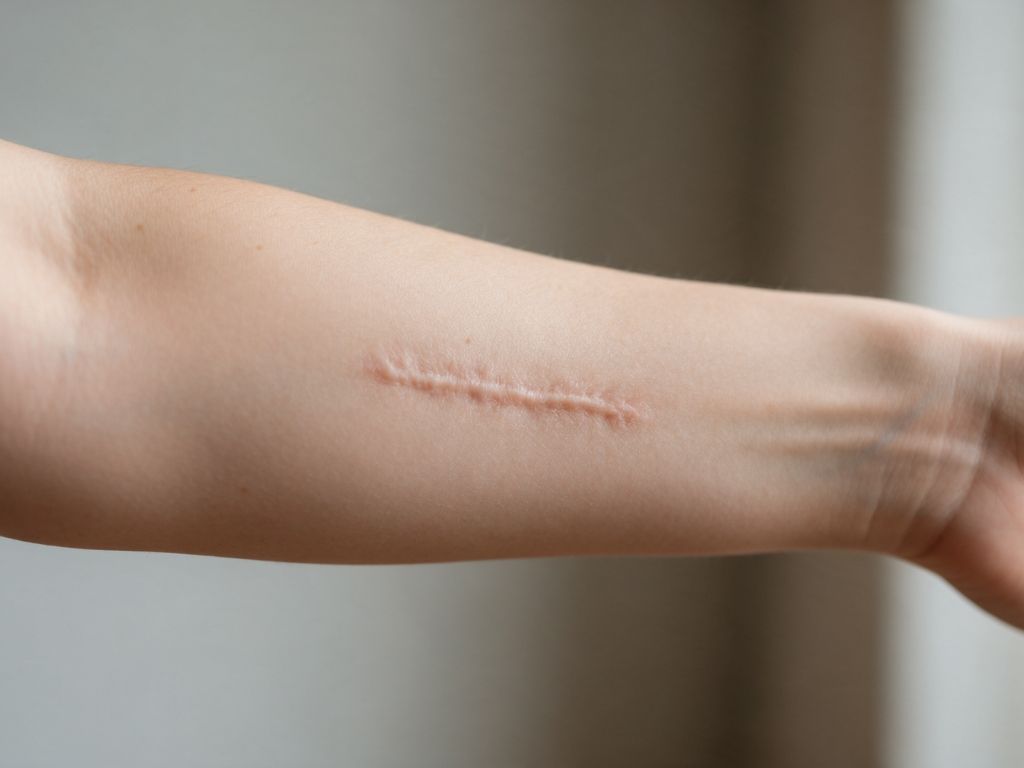
The type of scar matters more than almost anything else. Raised scars, depressed or pitted scars, and flat discoloured marks all respond differently, and some respond better to certain treatments than others. A pitted acne scar and a raised keloid scar aren’t being treated the same way, so it doesn’t make sense for them to need the same number of sessions.
How old the scar is plays a real role too. Newer scars, especially ones still settling within the first year, tend to respond faster to treatment than scars that have been there for many years, since older scar tissue is more established and takes longer to remodel.
The treatment itself has its own natural pace. Some treatments work by triggering a slow collagen rebuilding process that simply can’t be rushed, no matter how many sessions you pack in close together. Others work more directly on the surface and show change sooner, but often need more repeat sessions to maintain that improvement.
Severity changes the math directly. A mild, shallow scar and a deep, longstanding one aren’t starting from the same point, so it’s reasonable that they don’t finish in the same number of sessions either.
What Different Treatments Typically Involve
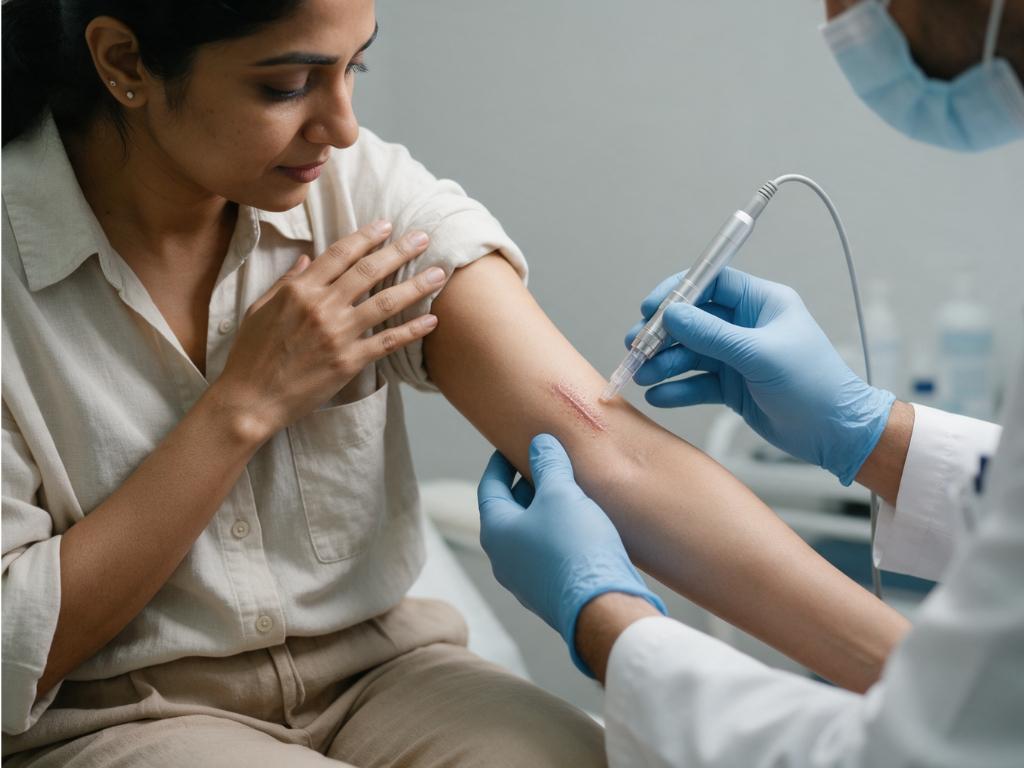
Microneedling usually needs somewhere between four and six sessions, spaced four to six weeks apart, to show meaningful improvement in texture. It works by creating controlled micro-injuries that trigger new collagen production, which is a gradual process, so results build session by session rather than appearing all at once.
Fractional laser treatment typically involves three to six sessions, spaced around four weeks apart. It creates microscopic treatment zones in the skin that stimulate collagen remodelling, and because the laser can be adjusted based on how your skin responds, some people need fewer sessions than others for a similar result.
Chemical peels aimed at scarring usually run in a series of four to six sessions, spaced two to four weeks apart, since peels work in layers, each session building a bit more improvement in texture rather than resolving everything in one pass.
Subcision, used specifically for certain types of depressed acne scars, releases the fibrous bands pulling the scar down, and often needs one to three sessions depending on how many bands are involved and how the skin responds afterward.
Dermal fillers for depressed scars work differently again, since they add volume rather than triggering a rebuilding process. A single session can show an immediate visible difference, though the effect is temporary and needs to be repeated as the filler gradually breaks down.
Many treatment plans actually combine two or more of these rather than relying on just one, which changes the total session count but often gets better results than any single approach used alone.
Why More Sessions Doesn’t Always Mean Better Results
It’s worth saying plainly that piling on extra sessions beyond what a scar actually needs doesn’t necessarily speed things up or improve the outcome further. Skin needs time between sessions to actually carry out the repair process each treatment triggers. Sessions scheduled too close together can increase irritation without adding extra benefit, which is exactly why the spacing between sessions matters as much as the total count.
This is also why a treatment plan built around your specific scar, rather than a generic package, tends to get better results with fewer wasted sessions.
What to Realistically Expect Along the Way
Visible improvement is usually gradual rather than dramatic after any single session. Most people start noticing a difference somewhere between the second and fourth session, depending on the treatment, with continued improvement over the following months as collagen remodelling keeps developing even after the sessions themselves are done. It’s common for the full result to keep improving for two to three months after the last session in a course.
Scars rarely disappear completely. The realistic goal across most treatments is a meaningful reduction in how visible and textured the scar looks, not a total erasure, which is worth knowing going in so the results don’t feel disappointing against an unrealistic benchmark.
What Actually Decides Your Number
Since there’s no universal answer, the only way to get a real number is through an actual assessment, looking at your scar type, its age, its depth, your skin type, and which treatment or combination of treatments makes sense for your specific situation. A generic answer pulled from an article, including this one, can only ever give you a range, not the actual plan that applies to your skin.
When to See a Dermatologist
If you’re dealing with a scar that’s affecting your confidence, or you’ve tried an over-the-counter product with no real change, it’s worth getting an actual evaluation rather than guessing at a treatment based on what worked for someone else’s scar. This matters even more for raised or keloid scars, since these can respond differently to treatment and sometimes need a different approach entirely than the ones used for flat or depressed scarring.
FAQs
How many sessions does laser scar removal usually take?
Fractional laser treatment for scarring typically takes three to six sessions, spaced about four weeks apart, though this varies based on the scar’s depth, age, and how your skin responds.
How long does scar treatment take overall, from start to visible results?
Most people start noticing improvement between the second and fourth session, with the full result often continuing to develop for two to three months after the last session, since collagen remodelling keeps working after treatment ends.
Does the number of sessions depend on the type of scar?
Yes, significantly. Raised scars, depressed scars, and flat discoloured marks all respond to different treatments, and each treatment has its own typical session range, so the type of scar is one of the biggest factors in how many sessions you’ll need.
Can one session fully remove a scar?
Rarely. Most effective scar treatments work by triggering a gradual healing or rebuilding process that needs repeated sessions to build meaningful change. Dermal fillers are an exception in that they show immediate results, but those results are temporary.
Is it better to do more sessions closer together to see results faster?
No, not usually. Skin needs time between sessions to actually carry out the repair process each treatment triggers. Scheduling sessions too close together can increase irritation without improving the outcome.
Will my scar disappear completely with enough sessions?
Most treatments aim for a meaningful reduction in visibility and texture rather than complete removal. Some scars respond very well and become quite subtle, but going in with the expectation of total erasure usually sets up disappointment.
Book a consultation: wa.me/919381218003
— Dr. Nishita Ranka | Consultant Dermatologist | Dr. Nishita’s Clinic for Skin, Hair & Aesthetics, Hyderabad
Explore More Articles: