Most patients bring up monsoon skin problems the same way every year: skin that felt fine in summer suddenly breaks out, feels oilier by midday, or starts flaking despite the humidity outside. It’s confusing, because monsoon weather sounds like it should be gentler on skin than peak summer heat. In practice, it’s often harder to manage, since humidity and heat together create exactly the environment breakouts, fungal issues, and clogged pores need to thrive.
Monsoon skin problems aren’t really about rain itself. They’re about a sudden shift in humidity, sweat, and airborne moisture that most skincare routines built for summer or winter aren’t designed to handle.
Why Monsoon Skin Behaves Differently
High humidity increases sweat and oil production even on skin that isn’t typically oily, while also keeping skin’s surface persistently damp, a combination that creates ideal conditions for bacteria and fungal overgrowth. At the same time, monsoon air often carries more airborne pollutants and moisture that can clog pores rather than hydrate skin the way it seems like it should. This is why so many people notice more breakouts, more fungal infections, and duller-looking skin during monsoon specifically, even without changing their routine at all.
Common Monsoon Skin Problems
Increased breakouts and acne show up as excess oil mixes with sweat and trapped debris in humid conditions, particularly across the T-zone.
Fungal infections, especially in skin folds and areas that stay damp, become more common since fungus thrives in warm, moist environments.
Dull, congested skin happens when pollutants and excess oil sit on the skin’s surface longer, since humidity slows the evaporation that would otherwise help skin feel clean.
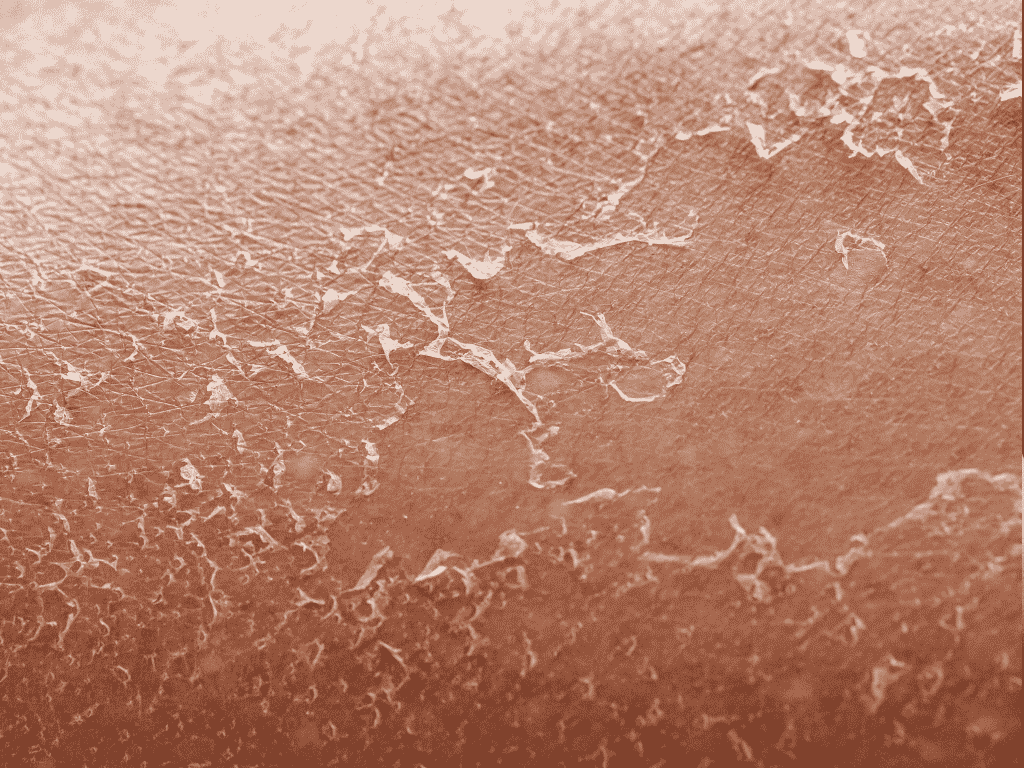
Dry, flaky patches can still occur, particularly for people with already dry or sensitive skin, since air conditioning indoors combined with humid air outdoors creates confusing swings that strip skin’s natural moisture.

Morning Monsoon Skincare Routine
Start with a gentle, foaming or gel-based cleanser rather than anything heavy or cream-based, since monsoon skin generally needs less added richness than summer or winter skin. Follow with a lightweight, alcohol-free toner if you use one, then a gel-based moisturiser rather than a thick cream, since heavier formulas can feel suffocating in humid air and contribute to clogged pores.
Sunscreen is not optional in monsoon, even on cloudy or rainy days. UV rays pass through cloud cover, and skipping sunscreen because the sun “isn’t out” is one of the most common monsoon skincare mistakes. A gel-based, water-resistant, broad-spectrum sunscreen works best for this weather specifically.
Night Skincare Routine for Monsoon
Double cleanse in the evening if you’ve been outdoors, since pollutants and sweat build up over the day and a single cleanse often isn’t enough to fully clear skin. Follow with any active ingredients your skin tolerates, niacinamide, salicylic acid for oily or acne-prone skin, and finish with a lightweight, non-comedogenic moisturiser. Avoid going to bed with makeup or sunscreen still on, since this is one of the fastest ways to trigger monsoon breakouts.
Monsoon Skincare for Oily Skin
Oily skin tends to feel worse in monsoon, since heat and humidity both increase sebum production. A gel-based cleanser, ideally with salicylic acid, helps manage excess oil without over-stripping skin. Oil-free, mattifying moisturisers and blotting papers for midday shine can help without needing to over-cleanse, which often backfires by triggering even more oil production.
Monsoon Skincare for Dry Skin
Dry skin can still struggle in monsoon, particularly with the indoor-outdoor humidity swings caused by air conditioning. A cream-based cleanser that doesn’t strip natural oils, followed by a hydrating but non-greasy moisturiser with ingredients like hyaluronic acid or ceramides, works better than skipping moisture altogether just because the air outside feels humid.
Monsoon Skincare for Acne-Prone Skin
Acne-prone skin needs a careful balance in monsoon: enough cleansing to manage excess oil and sweat, without over-exfoliating, which can worsen inflammation. Salicylic acid remains useful here, alongside a lightweight, oil-free moisturiser and consistent sunscreen, since untreated acne combined with sun exposure often leads to longer-lasting marks.
Skincare Mistakes to Avoid During Monsoon
Skipping sunscreen because it’s cloudy or raining is the most common one, followed closely by switching to a heavier moisturiser out of habit from winter routines, which usually clogs monsoon skin rather than helping it. Over-washing the face to control oil often backfires by stripping skin and triggering more oil production as compensation. Leaving skin damp after sweating, rather than cleansing promptly, is another common trigger for both breakouts and fungal issues.
Best Skincare Products for Monsoon
Look for gel-based cleansers, lightweight gel or lotion moisturisers, oil-free and non-comedogenic sunscreen, and any actives, salicylic acid, niacinamide, suited to your specific skin type rather than a generic monsoon-labelled product. What matters more than any single product name is choosing lightweight, non-comedogenic formulas across your entire routine rather than carrying summer or winter products through the season unchanged.
When to See a Dermatologist
Persistent breakouts that don’t respond to a lighter monsoon routine, recurring fungal infections in skin folds, or skin that stays irritated and inflamed despite adjusting your products are all reasons to get an actual evaluation rather than continuing to experiment. This is especially worth doing early in the season, since monsoon skin issues tend to compound the longer they’re left untreated.
FAQs
Why does my skin get oilier in monsoon even though it’s not sunny?
Humidity and heat both increase sebum production regardless of direct sunlight, which is why oily skin often feels worse in monsoon than in dry summer heat.
Do I still need sunscreen on rainy or cloudy days?
Yes. UV rays pass through cloud cover, and skipping sunscreen on cloudy days is one of the most common monsoon skincare mistakes.
Should I switch to a heavier moisturiser in monsoon?
No, this usually backfires. Monsoon air is already humid, so a heavier, cream-based moisturiser can clog pores and worsen breakouts. A lightweight, gel-based moisturiser generally works better across skin types during this season.
How do I manage acne-prone skin during monsoon?
Balance oil control with gentle care: a salicylic acid cleanser, oil-free moisturiser, and consistent sunscreen, without over-exfoliating, which can worsen inflammation in already reactive skin.
Why am I getting fungal infections during monsoon?
Warm, damp conditions are ideal for fungal growth, particularly in skin folds that stay moist from sweat or humidity. Keeping these areas clean and dry, and changing out of damp clothing promptly, significantly reduces this risk.
What’s different about a monsoon skincare routine compared to summer?
Monsoon combines summer-level heat with much higher humidity and moisture in the air, which changes how oil, sweat, and pollutants interact with skin. This is why a monsoon routine generally needs lighter, more breathable products than a typical summer routine, even though both seasons feel hot.
Book a consultation: wa.me/919381218003
— Dr. Nishita Ranka | Consultant Dermatologist | Dr. Nishita’s Clinic for Skin, Hair & Aesthetics, Hyderabad
Explore More Articles: