What Blackheads on the Nose Actually Are
A blackhead, medically an open comedone, forms when a hair follicle becomes blocked with excess sebum and dead skin cells that haven’t shed properly. Because the follicle opening stays wide rather than closing over — unlike a whitehead, or closed comedone — the plug is exposed to air. The melanin and lipids within it oxidise on contact with oxygen, turning the tip visibly dark. This is a chemical change, not accumulated dirt, which is also why washing the nose more frequently or more vigorously has little effect on existing blackheads and can actively irritate the surrounding skin.
Blackheads vs. Sebaceous Filaments — The Confusion Behind Most Frustration
A large share of what patients bring in as stubborn blackheads that won’t go away are, on closer look, sebaceous filaments — normal, functional structures that line every sebaceous gland opening and channel sebum to the skin surface. They appear as fine, greyish dots across the nose and centre of the face, are more uniform in size and colour than true comedones, and are not a skin problem to begin with. Sebaceous filaments cannot be permanently removed, because removing one simply exposes the gland opening, which refills with sebum within days. Treatments aimed at actual comedones — retinoids, salicylic acid, professional extraction — will reduce their visibility somewhat by keeping the follicle clearer, but expecting them to disappear entirely, the way a true blackhead can with sustained treatment, sets up disappointment with an otherwise working routine.
Why the Nose Specifically
The nose and central T-zone carry the highest density of sebaceous glands on the face, which means more oil production and, correspondingly, more follicles capable of becoming blocked. Sebum production is further affected by hormonal changes, such as those that occur during puberty, the menstrual cycle, or disorders involving androgen excess. In fact, it also largely depends on the regional weather and climatic conditions. The climate of Hyderabad exacerbates sebum production: airborne particulate matter, which is typical in metropolitan Indian settings, can stick to surface oil and cause follicular obstruction, and prolonged heat and humidity for a large portion of the year keep sebaceous glands more active than they would be in a drier or cooler environment. All of this does not imply that everybody who lives here will inevitably get blackheads, but it does indicate that a regimen that is effective in a temperate environment may need to be more consistent—rather than necessarily stronger—to withstand local conditions.
Why Squeezing, Pore Strips, and Scrubs Don’t Actually Fix Them
Manual extraction with fingers introduces bacteria into an already compromised follicle and frequently ruptures its wall beneath the surface, which is a common, underappreciated cause of the small, persistent bumps and post-inflammatory dark marks patients later bring in as a separate concern. Pore strips remove the surface plug of visible blackheads but do nothing for the follicle’s tendency to refill, and repeated use can stretch the pore opening, making it appear larger over time. Physical scrubs abrade the skin surface without reaching the follicle, and on the thinner skin around the nose can cause enough irritation to trigger more oil production as a compensatory response — worsening the underlying cause while doing nothing for the blackheads themselves.
Best Treatment Options for Blackheads on the Nose
- Topical retinoids (adapalene 0.1%, or prescription-strength tretinoin) are the most effective at-home treatment option. They normalise the shedding of follicular skin cells so plugs stop forming in the first place. Improvement is gradual and requires consistent use over the full follicular turnover cycle.
- Salicylic acid (1-2%), a beta-hydroxy acid, is oil-soluble and penetrates directly into the sebum-filled follicle, making it particularly suited to an oily, blackhead-prone T-zone rather than the whole face.
- Niacinamide helps regulate sebum production over time and supports the skin barrier, making it a reasonable daily layer alongside either of the above rather than a standalone treatment.
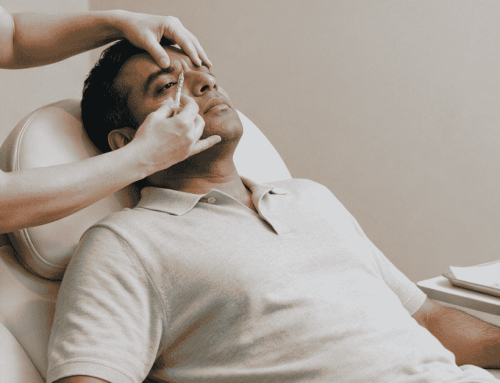
- Professional comedone extraction, performed with a sterile extractor under proper technique, clears existing plugs without the trauma of at-home squeezing — the difference is pressure control and a sterile instrument, not the basic action.
- Chemical peels (salicylic or glycolic acid, in-clinic doses) boost the same follicular turnover that topical retinoids target, which are used in addition to daily routines rather than in place of them
- Because of its systemic effects, low-dose oral isotretinoin should only be used for broad, treatment-resistant comedonal involvement rather than isolated nose blackheads. It also needs to be supervised by a dermatologist.
What Outcomes to Anticipate and When
Visual improvement follows the same cycle as comedone formation upon amassing of skin cells within a period of six to eight weeks. So a majority of patients notice fewer blackheads by six to eight weeks of regular use, with fuller elimination by three months. Because of this, even if in-clinic extraction instantly removes existing plugs, it does not prevent the formation of new ones unless combined with a home regimen that deals with the underlying keratinization and sebum production; a single extraction session is maintenance rather than a cure. As mentioned above, sebaceous filaments will appear slightly less noticeable with regular practice, but they shouldn’t be expected to disappear.
When to See a Dermatologist
When blackheads don’t respond to a consistent retinoid or salicylic acid routine after eight to twelve weeks, or are accompanied by inflamed papules, pustules, or nodules elsewhere on the face, an in-person evaluation is advisable over continued self-treatment. Extraction is also worth having done professionally rather than at home for anyone prone to post-inflammatory marks or scarring, since the technique and pressure applied make a measurable difference to how the skin heals afterward.
FAQs
Are blackheads on the nose caused by dirt or poor hygiene?
No. A blackhead is an oxidised plug of sebum and dead skin cells inside a pore — the dark colour comes from a chemical reaction with air, not accumulated dirt. Washing the area more often or more aggressively does not clear existing blackheads and can irritate the surrounding skin.
Can blackheads be removed permanently?
Not in a single step. Existing blackheads can be cleared through extraction or exfoliating treatment, but the follicle will form new ones unless the underlying causes — excess sebum and delayed skin cell shedding — are managed on an ongoing basis with retinoids, salicylic acid, or a comparable routine.
Do facials, clean-ups, or home remedies remove blackheads?
They can temporarily clear the visible plug — a facial involves steam and manual extraction, which does lift out existing blackheads — but none of these address why the follicle blocked up in the first place. Home remedies such as lemon juice, baking soda, or toothpaste have no evidence of clearing comedones and can irritate or damage the skin barrier with regular use. Blackheads typically return within weeks unless a routine that manages sebum and skin-cell turnover, such as a retinoid or salicylic acid, is followed in between.
Do pore strips actually work?
The immediate result can look satisfying because they lift out the visible surface plug of a blackhead, but they do nothing for the follicle’s tendency to refill, and frequent use can stretch pore openings over time, making them look larger.
What’s the difference between blackheads and sebaceous filaments?
Blackheads are blocked follicles with an oxidised keratin-sebum plug; sebaceous filaments are normal gland structures that channel sebum to the skin surface and are not a skin problem. Filaments are more uniform in size and colour and, unlike blackheads, cannot be permanently cleared since the gland opening refills within days of any extraction.
Is it safe to extract blackheads at home?
There is little risk when a well-prepared, previously loosened plug is gently extracted on occasion using a clean comedone tool. However, the follicular wall beneath the surface is often ruptured by finger extraction and vigorous squeezing, which can result in infection, inflammation, or black stains following inflammation. For those who are prone to marks or scarring, professional extraction is the safer choice.
Does Hyderabad’s heat and humidity make blackheads worse?
Sustained heat and humidity keep sebaceous glands more active, and airborne particulate matter common in Indian cities can adhere to surface oil and contribute to follicular blockage. This doesn’t make blackheads unavoidable, but it does mean a routine may need to be followed more consistently here than it would in a cooler, drier climate.