IV drips for hair fall have become one of those treatments people ask about after seeing a friend post about it, rather than after a dermatologist has actually recommended one for their specific case. That order matters more than it sounds like it should. An IV drip can genuinely help certain kinds of hair fall, and do very little for others, and the difference usually comes down to what's actually causing the shedding in the first place.
How IV Drips Actually Work for Hair
Hair follicles need a consistent supply of specific nutrients, biotin, zinc, iron, vitamin D, amino acids, to maintain a healthy growth cycle. When someone has a genuine deficiency in one or more of these, whether from diet, absorption issues, or increased demand during stress or illness, hair growth is often one of the first things affected, since the body deprioritises hair in favour of more essential functions when nutrients are limited.
An IV drip delivers these nutrients directly into the bloodstream, skipping the digestive absorption process entirely. For someone with a confirmed deficiency, this can restore levels considerably faster than oral supplementation, which matters because hair follicles need sustained nutrient availability over the growth cycle, not just a one-time boost.

Who Actually Benefits From This
IV wellness therapy for hair fall genuinely helps people with a diagnosed nutritional gap: iron deficiency, low vitamin D, biotin deficiency, or a broader nutritional depletion following illness, pregnancy, extreme dieting, or a period of significant physical stress. In these cases, correcting the deficiency directly supports the hair's ability to grow normally again.
It's considerably less useful, on its own, for hair fall driven by genetics, hormonal conditions like PCOS or thyroid dysfunction, or scalp conditions like dandruff and seborrheic dermatitis. In these cases, an IV drip might support general health, but it isn't addressing the actual mechanism behind the hair loss, and expecting it to reverse genetic or hormonal hair fall on its own usually leads to disappointment.
What's Actually in a Hair-Focused IV Formulation
A doctor-led IV wellness formulation for hair typically includes a combination of biotin, zinc, selected B-vitamins, amino acids that support keratin production, and sometimes iron or vitamin D, depending on what bloodwork shows is actually needed. This is the part that matters most and gets skipped most often: the formulation should be based on your actual levels, not a standardised "hair growth drip" given to every patient regardless of what they're deficient in, if anything.
A dermatologist-led IV drip clinic will typically request relevant bloodwork before recommending a specific formulation, since giving nutrients someone doesn't actually need offers little benefit and, in some cases, isn't advisable at all.
What an IV Drip Won't Do
It's worth being direct about this, since it's the part most marketing around IV wellness therapy leaves out. An IV drip won't reverse androgenetic alopecia, the genetic, pattern-based hair thinning that affects both men and women. It won't fix hair fall caused by an untreated thyroid condition or PCOS on its own. It won't undo hair loss from a scalp condition that needs its own targeted treatment. And it won't produce results that outlast the underlying issue if that issue isn't also being managed directly.
Think of an IV drip as correcting one specific input, nutrient availability, in a system that depends on several inputs being right at once. If nutrient deficiency genuinely is the main driver, correcting it can make a real, visible difference. If it's one of several factors, or not a factor at all, the drip alone won't be enough.
What to Expect From a Proper Assessment
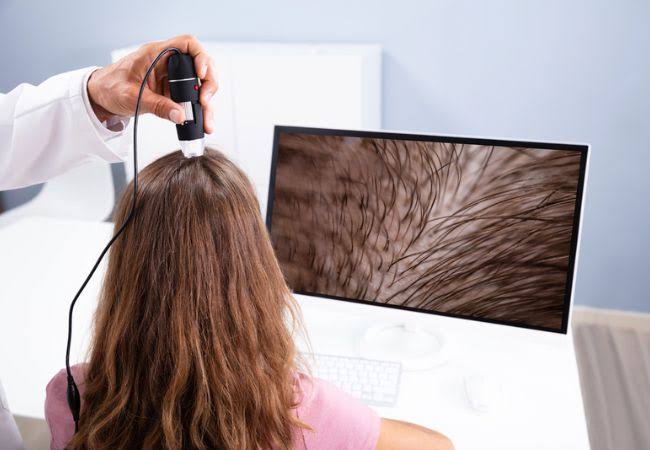
A doctor-led IV wellness Hyderabad clinic worth choosing will start with your history, dietary pattern, recent illness or major life changes, and relevant bloodwork, before recommending anything. This typically covers iron studies, vitamin D, B12, thyroid function, and sometimes zinc, depending on what your history suggests is worth checking.
From there, if a genuine deficiency is confirmed, an IV formulation is planned around correcting that specific gap, alongside a topical or oral hair treatment plan if there's an additional scalp or growth-cycle component involved. This combined approach tends to work considerably better than an IV drip alone, since it's addressing both the nutrient gap and whatever else might be contributing to the hair fall.
How Many Sessions Are Usually Needed
This varies with how significant the deficiency is and how your body responds, but most IV wellness protocols for hair are planned as a short series, often three to six sessions spaced a few weeks apart, rather than a single visit. Hair growth cycles move slowly regardless of how quickly a nutrient deficiency is corrected, so visible improvement in hair fall and new growth typically takes eight to twelve weeks to become noticeable, even when the underlying deficiency responds quickly to treatment.
Finding the Right Clinic
Since IV drips and skin boosters are often offered by the same IV drip and skin booster clinics, it's worth specifically confirming that a hair-focused formulation, and the bloodwork behind it, is something the clinic actually does, rather than assuming every IV wellness menu includes a properly assessed hair protocol. Searching for an IV drip clinic near you is a reasonable starting point, but the more useful question during that search is whether the clinic runs bloodwork before recommending a formulation, or offers a fixed "hair drip" to anyone who asks for one.
When to See a Dermatologist Instead of Booking a Drip Directly
If your hair fall is sudden, patchy, or accompanied by visible thinning, scalp irritation, or other symptoms like fatigue or irregular periods that could point to a hormonal or thyroid cause, that needs an actual diagnosis before anything else, IV drip included. A dermatologist can identify whether nutrient deficiency is actually part of the picture, and build a plan that addresses the real cause rather than treating a symptom in isolation.
FAQs
Do IV drips actually help with hair fall?
How many IV drip sessions are needed for hair growth?
Can IV drips replace a proper hair fall treatment plan?
Do I need bloodwork before getting an IV drip for hair fall?
Is IV therapy for hair fall safe?
What's the difference between an IV drip and oral supplements for hair?
Book a consultation: wa.me/919381218003
— Dr. Nishita Ranka | Consultant Dermatologist | Dr. Nishita's Clinic for Skin, Hair & Aesthetics, Hyderabad
Explore More Articles: