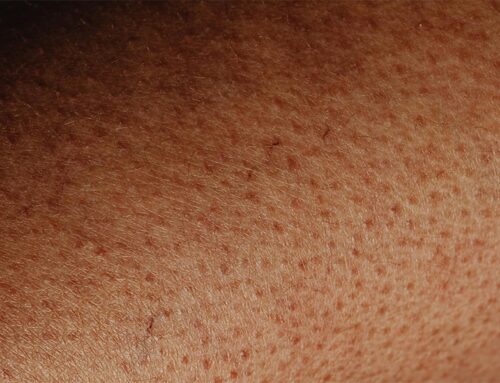
Atopic dermatitis — eczema — is a chronic inflammatory skin condition that affects approximately 20% of children and up to 10% of adults in India. It is characterised by intensely itchy, dry, inflamed skin that flares unpredictably and can significantly impact quality of life. The Indian climate — with its extremes of heat, humidity, sweat, and monsoon moisture — creates specific challenges for eczema management that are worth understanding in detail.
What Eczema Is
Eczema is a condition of immune dysregulation combined with skin barrier dysfunction. The skin barrier in eczema patients is structurally compromised — often due to mutations in the filaggrin gene, which is essential for forming the lipid matrix of the stratum corneum. This allows allergens, irritants, and bacteria to penetrate more easily, triggering immune responses that manifest as inflammation, itching, and the characteristic eczematous rash.
Indian Climate Triggers
Heat and sweating are among the most consistent eczema triggers. Sweat contains urea, lactic acid, and other compounds that directly irritate a compromised skin barrier. In Indian summers, this makes eczema management particularly challenging — the heat is unavoidable, and sweating is constant. Air conditioning provides relief but can worsen dryness if the environment becomes too desiccated. Monsoon humidity brings its own challenge: persistent moisture against the skin, combined with the proliferation of dust mites and mould that thrive in humid conditions, can trigger or worsen flares.
Management Principles
The foundation of eczema management is consistent moisturisation with emollients — ceramide-rich creams or ointments applied twice daily and immediately after bathing while the skin is still slightly damp. This supports the barrier function and reduces flare frequency. During active flares, topical corticosteroids remain the most effective treatment for reducing inflammation — used appropriately, at the correct potency for the area, for the correct duration. Topical calcineurin inhibitors (tacrolimus, pimecrolimus) are steroid-sparing options for sensitive areas and long-term maintenance. For severe or treatment-resistant eczema, newer biologic therapies targeting the IL-4/IL-13 pathway (dupilumab) have produced remarkable results and are now available in India.
Identifying and avoiding personal triggers — certain fabrics, soaps, foods, stress — is as important as medication. Keeping a flare diary is a practical tool we recommend to patients with frequent or unpredictable exacerbations.
Book a consultation: wa.me/919381218003
— Dr. Nishita Ranka | Consultant Dermatologist | Dr. Nishita’s Clinic for Skin, Hair & Aesthetics, Hyderabad