Rosacea is a chronic inflammatory skin condition that has long been associated with fair skin tones — the stereotypical image of a flushed, red-faced individual with visible blood vessels is almost exclusively drawn from Caucasian patients. This association has created a significant diagnostic blind spot: rosacea on Indian skin is consistently underdiagnosed, undertreated, and frequently misidentified as acne, PIH, or simply sensitive skin.
The reality is that rosacea occurs across all skin tones, including Fitzpatrick types IV–VI. In darker skin, the presentation is different — not less real, just less obvious to the untrained eye — and the consequences of missing the diagnosis are significant, because rosacea treated as acne will not improve and may worsen with common acne treatments like retinoids and AHAs used aggressively.
How Rosacea Presents on Indian Skin
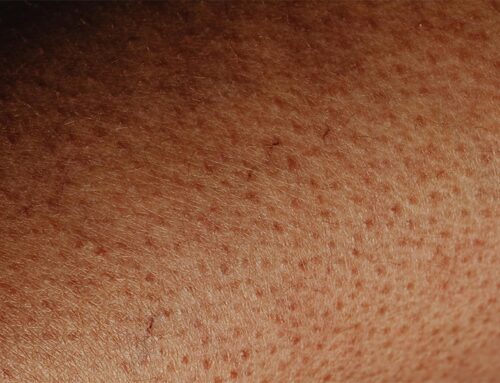
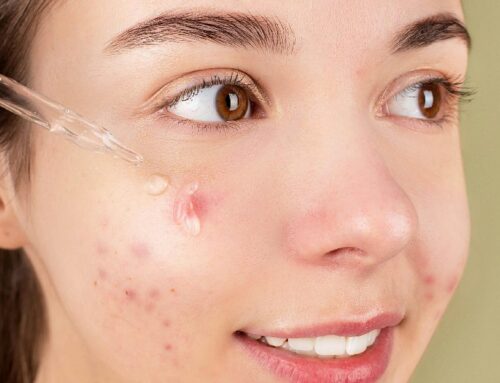
In lighter skin, rosacea classically presents with visible redness, flushing, and telangiectasia (dilated blood vessels). In Indian skin, persistent redness may be subtle or absent as a primary sign. What we more commonly see: a persistent central facial warmth and discomfort, papules and pustules that resemble acne but don’t respond to acne treatment, skin that burns or stings with almost any product including water, and a pattern of flaring with heat, spicy food, alcohol, and emotional stress — the classic rosacea triggers.
Ocular rosacea — affecting the eyes with chronic irritation, redness, and dryness — is also underrecognised and frequently attributed to other causes. It affects approximately 50% of rosacea patients and can precede or accompany skin symptoms.
What Triggers It
Rosacea is a condition of neurovascular dysregulation — the blood vessels and nerves of the facial skin respond disproportionately to environmental and internal triggers. Common triggers in Indian patients include: sun exposure, heat and steam, spicy food (a particularly relevant trigger given Indian dietary patterns), alcohol, physical exertion, and emotional stress. Identifying and managing personal triggers is as important as medical treatment.
Treatment
Rosacea is a chronic condition — it is managed, not cured. For papulopustular rosacea, topical agents including azelaic acid, metronidazole, and ivermectin are first-line. Oral doxycycline at anti-inflammatory doses is used for moderate to severe disease. For erythematotelangiectatic rosacea, vascular laser treatments — particularly pulsed dye laser and intense pulsed light — reduce visible vessels and persistent redness. Skincare must be stripped back: gentle fragrance-free cleanser, barrier-supporting moisturiser, and mineral sunscreen daily.
If you have been treating persistent facial breakouts as acne without improvement, rosacea is worth considering — and a dermatology consultation is the right way to get a definitive answer.
Book a consultation: wa.me/919381218003
— Dr. Nishita Ranka | Consultant Dermatologist | Dr. Nishita’s Clinic for Skin, Hair & Aesthetics, Hyderabad