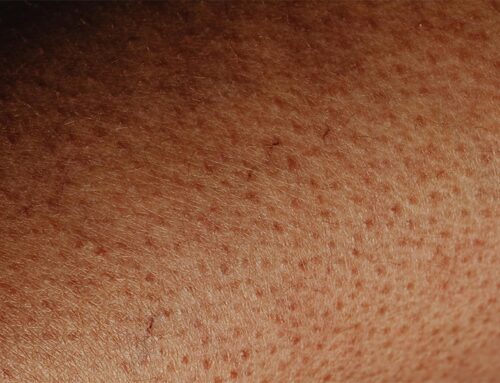
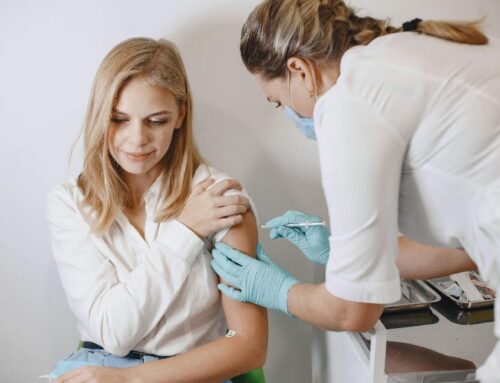
Psoriasis affects approximately 2-3% of the Indian population — millions of people — and yet remains widely misunderstood, both by patients who live with it and by many who encounter it. It is not contagious. It is not caused by poor hygiene. It is a chronic autoimmune condition with systemic implications, and it deserves to be treated with the same seriousness as any other immune-mediated disease.
What Psoriasis Is
Psoriasis occurs when the immune system mistakenly accelerates the skin cell cycle from the normal 28-30 days to 3-5 days. Skin cells accumulate faster than they can shed, forming the raised, thickened, scaly plaques that characterise the condition. The most common form — plaque psoriasis — presents as well-defined red or salmon-pink plaques with silvery-white scale, typically on the elbows, knees, scalp, and lower back. In Indian skin, the redness may be less vivid, but the thickening and scale are characteristic.
Common Triggers
Psoriasis has a strong genetic component but requires triggers to manifest or flare. Common triggers include: streptococcal throat infections (particularly in younger patients with guttate psoriasis), physical skin trauma (the Koebner phenomenon — new plaques developing at sites of injury), stress, certain medications (lithium, beta-blockers, antimalarials), alcohol, and smoking. In India, stress and infections are the most frequent flare triggers we encounter clinically.
Modern Treatment Options
Treatment is matched to severity. For mild to moderate psoriasis, topical corticosteroids, vitamin D analogues (calcipotriol), and combination products are first-line. For moderate to severe disease, phototherapy (narrowband UVB), traditional systemic agents (methotrexate, cyclosporine, acitretin), and — increasingly — biologic therapies that target specific immune pathways are available. Biologics have transformed outcomes for severe psoriasis, achieving clearance rates that were previously impossible with conventional treatment. Several biologics are now available in India, and access has improved significantly.
Psoriasis also has systemic implications — psoriatic arthritis occurs in 20-30% of patients, and there are associations with cardiovascular disease and metabolic syndrome. Management is therefore not just about the skin. A dermatologist who treats psoriasis comprehensively considers the whole patient, not just the plaques.
Book a consultation: wa.me/919381218003
— Dr. Nishita Ranka | Consultant Dermatologist | Dr. Nishita’s Clinic for Skin, Hair & Aesthetics, Hyderabad