Why This Actually Matters
UV exposure is the single biggest driver of premature skin ageing, and it's also directly linked to tanning, uneven tone, and long-term skin cancer risk. None of this is gender-specific, but men are statistically less likely to wear sunscreen consistently, and more likely to spend time outdoors for work or sport without any protection at all. The result shows up later as more pronounced sun damage, deeper lines, and patchy pigmentation that's harder to treat than it would have been to prevent.
What to Actually Look For
Broad-spectrum protection matters more than the SPF number itself. Broad-spectrum means the sunscreen protects against both UVA rays, which drive ageing and pigmentation, and UVB rays, which cause sunburn. A sunscreen without this label, regardless of SPF, is only doing half the job.
SPF 30 to 50 is the practical range for daily use. Higher numbers offer only marginal additional protection and mostly matter for extended outdoor exposure, sport, or intense sun rather than a typical day indoors and in transit.
Formula matters more than brand. Gel-based and matte-finish sunscreens work best for oily or acne-prone skin, since they won't add extra shine or clog pores. Cream-based, more hydrating formulas suit dry skin better. Water-resistant formulas are worth choosing specifically for sport, sweating, or swimming, since regular sunscreen washes off with perspiration far faster than most people expect.
Non-greasy, quick-absorbing textures are what actually make daily use realistic. A sunscreen that sits heavy or leaves a visible cast is one that quietly stops getting used within a couple of weeks, however good its SPF rating looks on paper.
Matching Sunscreen to Your Skin Type
Oily or acne-prone skin does best with a gel or fluid-based, oil-free sunscreen labelled non-comedogenic, since heavier creams can worsen breakouts. Dry skin benefits from a cream-based sunscreen with added hydrating ingredients like hyaluronic acid or ceramides, since a pure gel formula can feel tight and drying over a full day. Combination skin generally does well with a lightweight lotion that isn't purely matte or purely hydrating.
For outdoor work or sport specifically, a water-resistant, sweat-resistant formula with SPF 50 makes practical sense, paired with reapplication every two to three hours during actual sun exposure, not just once in the morning.
Sunscreen and Indian Weather Specifically
Heat and humidity, common across most of India for a large part of the year, make sunscreen texture a bigger factor than it might be in a cooler, drier climate. A sunscreen that feels fine in air conditioning can feel unbearably heavy the moment you're outside in Hyderabad's afternoon heat, which is exactly why gel-based and fluid formulas tend to hold up better here than thicker, cream-based sunscreens marketed for drier climates.
Sweat is also a bigger factor than most men account for. A sunscreen applied once in the morning before a day involving outdoor commuting, sport, or physical work has usually worn off well before evening, even without obvious water exposure. This is a large part of why sun damage keeps showing up despite "using sunscreen," the issue often isn't the product, it's reapplication that never actually happens.

Why Most Men Still Skip It
Sunscreen often gets filed under "skincare," which many men have never built a routine around, so it competes with an entirely new habit rather than slotting into an existing one. The other common reason is texture: a heavy, white-casting sunscreen genuinely feels unpleasant under Indian heat and humidity, which makes daily use feel like a trade-off rather than a two-minute step. Choosing the right formula, gel-based, matte-finish, quick-absorbing, removes that friction entirely.
How to Actually Use It
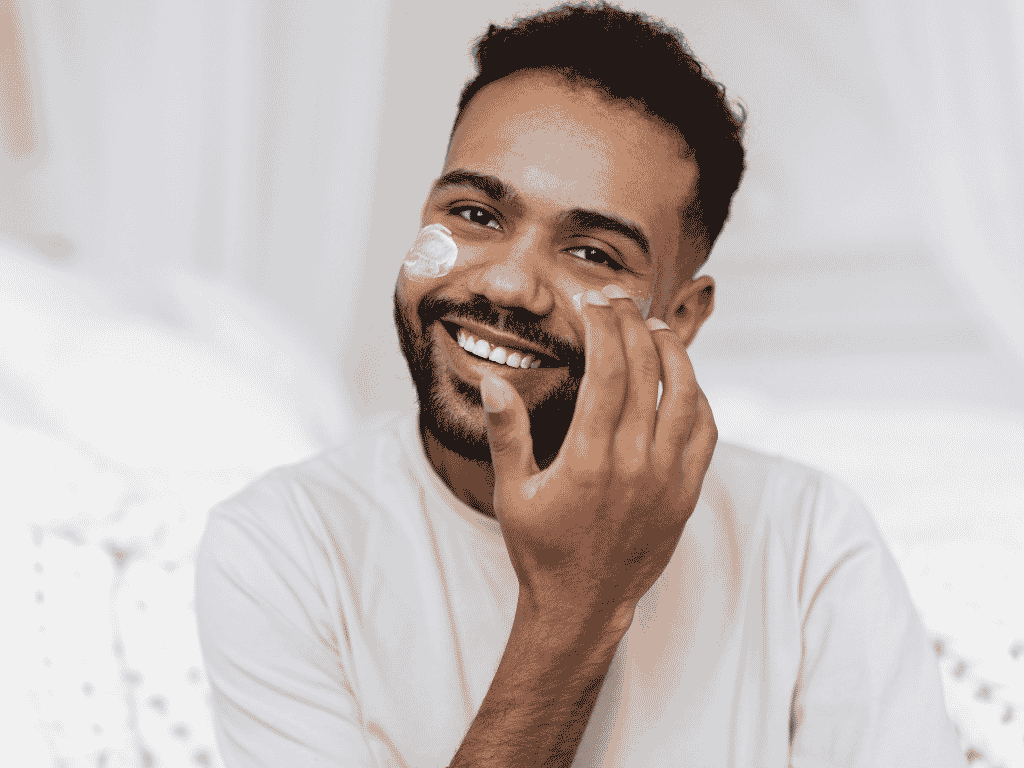
Apply a generous amount, roughly two finger-lengths' worth for the face and neck, every morning regardless of whether you're stepping outside, since UV exposure through windows and daily movement adds up. Reapply every two to three hours during direct sun exposure, and always after sweating heavily or swimming. Sunscreen is the last step of a morning routine, after any moisturiser, and should be applied before stepping outside, not after you're already out.
When to See a Dermatologist
If you've noticed patchy tanning, dark spots, or premature lines despite regular sun exposure, or you're not sure which formula actually suits your skin type, a dermatologist consultation is worth it. This is particularly useful for men with acne-prone or sensitive skin, where the wrong sunscreen formula can make existing skin concerns worse rather than better. It's also worth a visit if you've been consistently applying sunscreen and still seeing sun damage progress, since that usually points to either an application or reapplication gap, or an underlying skin concern that a stronger, more targeted approach can address directly.