Most people asking about hair fall shampoos have already bought two or three. A bottle promising regrowth, another claiming to be sulphate-free and gentler, maybe one with a herbal ingredient a friend swore by. The excessive hair fall usually continues anyway, which is what eventually brings the question to a dermatologist instead of a shelf of products.
Here’s the part that gets left out of most shampoo marketing: a shampoo cleans your scalp. It doesn’t regrow hair, and it can’t fix hair fall caused by hormones, nutrient deficiency, or an underlying scalp condition. What it can genuinely do is keep your scalp healthy enough that hair grows the way it’s supposed to, and stop making an existing problem worse. Understanding that distinction changes what you should actually be looking for on a label.
What a Shampoo Can and Can’t Do
Hair fall has several possible causes: genetics, hormonal shifts, nutritional gaps, stress, thyroid issues, or scalp conditions like dandruff and seborrheic dermatitis. A shampoo addresses exactly one part of this picture, the health of your scalp environment, by controlling oil, flaking, and any inflammation that could be interfering with healthy hair growth at the follicle. Even the best dermatologist recommended shampoo for hair loss is working at this level, not reversing the underlying cause on its own.
If your hair fall is genetic or hormonal, no shampoo, however well formulated, will reverse that on its own. That needs a proper evaluation and often a different kind of treatment entirely. Where a good shampoo genuinely helps is in reducing everyday breakage, calming an irritated scalp, and creating conditions where hair that’s meant to grow can actually do so without extra obstacles in the way.
Ingredients Worth Looking For
Ketoconazole or zinc pyrithione target scalp conditions like dandruff and fungal overgrowth, both of which can worsen hair fall if left untreated. These are especially useful if your hair fall comes with visible flaking or an itchy, oily scalp.
Biotin and niacinamide support the scalp’s general health and are commonly included in dermatologist-formulated shampoos, though their effect is supportive rather than transformative on their own.
Caffeine-based formulas have some evidence for improving hair thickness over consistent use, working by stimulating circulation at the follicle level, though results are gradual and modest rather than dramatic.
Sulphate-free, gentle cleansers matter more than people expect. Harsh sulphates can strip the scalp and leave hair drier and more prone to breakage, which shows up looking like hair fall even when it’s really hair snapping off partway down the strand.
What to Avoid
Shampoos loaded with fragrance and alcohol can dry out the scalp, and daily use of a very strong clarifying shampoo can do the same. Anything promising visible regrowth within days is worth being skeptical of, hair growth cycles simply don’t move that fast, no matter what’s in the bottle.

Shampoo Alone Isn’t a Treatment Plan
This is the part most product pages skip entirely. If hair fall is significant, sudden, or accompanied by visible thinning or bald patches, a shampoo swap isn’t going to be the fix, regardless of how well chosen it is. That kind of hair fall usually needs an actual diagnosis:
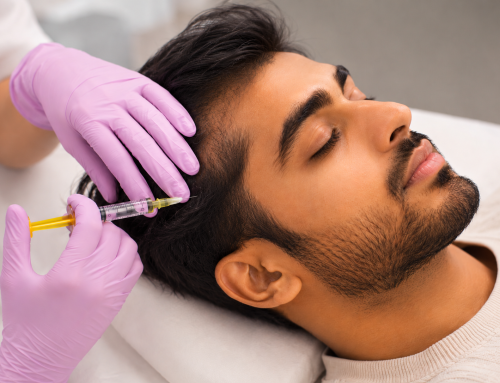
bloodwork to rule out thyroid or iron deficiency, a scalp examination, and sometimes a prescription treatment like topical minoxidil or, in select cases, PRP therapy.
A dermatologist-recommended shampoo works best as one part of a broader plan, not a standalone solution. Used alongside the right underlying treatment, it supports results. Used alone for a problem it was never designed to fix, it just delays getting to the actual cause.
How You Wash Matters as Much as What You Wash With
Even the right shampoo underperforms if it’s used the wrong way. Most people apply shampoo directly to the lengths of hair, when it should be focused on the scalp itself, since that’s where the actual cleansing and active ingredients need to work. Massage gently with fingertips rather than nails, since scratching an already sensitive scalp can worsen irritation and, in some cases, contribute to more shedding.
Leave any medicated shampoo, particularly ones with ketoconazole, on the scalp for the full time stated on the label, usually three to five minutes, rather than rinsing immediately. Washing it off too fast is one of the most common reasons a genuinely good shampoo doesn’t seem to work, the active ingredient simply doesn’t get enough contact time to do its job.
A Simple Routine Worth Following
Wash two to three times a week rather than daily unless your scalp is particularly oily, since over-washing can dry the scalp and disrupt its natural balance. Use lukewarm rather than hot water, since heat strips natural oils faster. Avoid tying wet hair up immediately, and be gentle when towel-drying rather than rubbing vigorously, since wet hair is more prone to breakage.
Pair your shampoo with a scalp-friendly conditioner used only on the lengths, not the scalp itself, and give any new shampoo at least six to eight weeks before deciding whether it’s actually helping, since hair growth cycles move slowly enough that faster judgments usually aren’t accurate.
When to See a Dermatologist
If hair fall is sudden, patchy, or noticeably more than the usual daily shedding, or if it’s accompanied by scalp pain, redness, or visible thinning at the crown or hairline, it’s worth an actual evaluation rather than another round of shampoo shopping. The same applies if you’ve been consistent with a good shampoo for a couple of months and haven’t seen any change, since that’s usually a sign the underlying cause needs to be addressed directly.
A dermatologist can identify whether your hair fall is genetic, hormonal, nutritional, or scalp-related, and build a plan around the actual cause instead of guessing from a shelf of options.
FAQs
Which shampoo ingredient actually helps with hair fall?
Ketoconazole and zinc pyrithione help when scalp conditions like dandruff are contributing to hair fall. Caffeine-based formulas have some evidence for improving thickness with consistent use. None of these reverse genetic or hormonal hair fall on their own.
Can a shampoo alone stop hair fall completely?
No. A shampoo supports scalp health and reduces breakage, but hair fall caused by genetics, hormones, or deficiency needs a diagnosis and often a different treatment entirely, not just a shampoo change.
How long before a hair fall shampoo shows results?
Give it at least six to eight weeks of consistent use, since hair growth cycles move slowly and shorter timeframes rarely show a meaningful difference either way.
Is sulphate-free shampoo better for hair fall?
It’s gentler, which reduces breakage that can look like hair fall, but sulphate-free formulation alone doesn’t address hormonal or scalp-driven hair loss.
Should men and women use different hair fall shampoos?
The core ingredients that help, ketoconazole, zinc pyrithione, gentle cleansers, work the same way regardless of gender. Differences in marketed shampoos are mostly about fragrance and packaging rather than a meaningfully different formulation.
When should I stop trying shampoos and see a dermatologist instead?
If hair fall is sudden, patchy, or hasn’t improved after a couple of months of a good routine, or if you notice visible thinning or scalp irritation, it’s time for an actual evaluation rather than another product.