You have reached a weight you have worked hard for. Your clothes fit differently, your numbers look better and people are noticing. Then you look in the mirror and something feels off. Your cheeks look flatter, your temples a little hollow, and there is a looseness around the jaw and neck that was not there before.
This is what people have started calling “Ozempic face” or “Mounjaro face”. The names are not medical terms. They are shorthand for the facial changes that can follow fast or significant weight loss, particularly in people using newer weight-loss medicines.
This guide explains what is really going on, who is more likely to notice it, what you can do to lower the risk, and which options a dermatologist may talk to you about.
What “Ozempic face” actually means
Ozempic (semaglutide) and Mounjaro (tirzepatide) are prescription medicines used for type 2 diabetes and, in some cases, for weight management. They are not skin treatments, and they do not “age” the face directly.
The face changes because of the weight loss, not because of a special effect on the skin. When the body loses a lot of fat in a short time, it does not only lose it from the belly or thighs. The face has fat too, in small pads that sit under the skin and give the cheeks, temples and under-eyes their fullness. When these shrink, the face can look thinner, more hollow or older.
So “Ozempic face” and “Mounjaro face” describe a pattern that can also happen with any rapid weight loss, such as after bariatric surgery, strict dieting or illness. The medicine’s role is that it can make significant weight loss more common and more rapid.
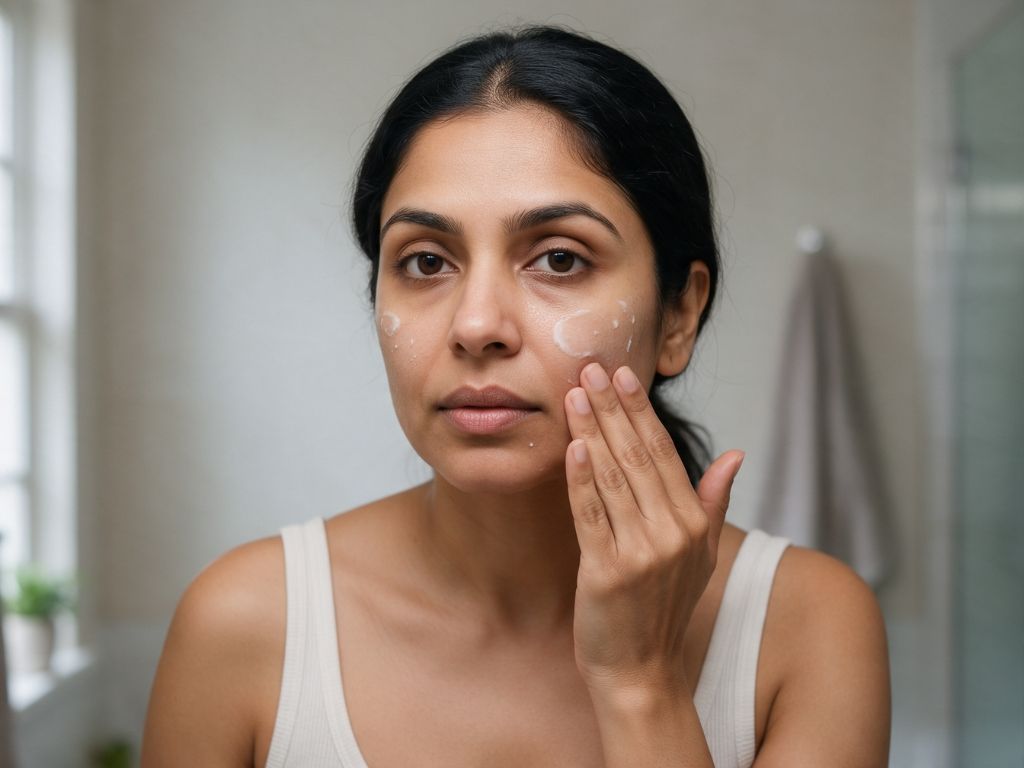
What the changes can look like
People describe a mix of the following. Not everyone has all of them.
- Hollow cheeks and a flatter midface
- Sunken temples
- Hollows under the eyes and deeper tear troughs
- Loose skin along the jawline and jowls
- Looser skin on the neck
- More visible lines, especially around the mouth and nose
- A gaunt or tired look, even when you feel well
- Thinner-looking lips
Why does it happen?
1. Loss of facial fat
Facial fat pads give the face its youthful curves. Weight loss reduces them along with the rest of the body’s fat.
2. Skin that does not shrink as fast
Skin can stretch when we gain weight and has a limited ability to tighten when we lose it. The faster the loss, the less time the skin has to adjust. Skin elasticity also drops with age, so the same weight loss can look quite different at 30 and at 55.
3. Loss of muscle and bone support
Rapid weight loss can include some loss of lean mass, and the bones of the face also change slowly with age. Together, these affect how well the face is supported.
4. Ageing happening at the same time
Many people lose weight in their forties and fifties, when the face is already losing volume and collagen. Weight loss can make those changes show sooner.
Who is more likely to notice it?
- People who have lost a large amount of weight or lost it quickly
- People over about 40, whose skin is less elastic
- Those with thinner or drier skin
- People with a lot of sun damage or who smoke
- Those who lost weight without much protein or strength training
- People who were already slim in the face before they started
It is not a given. Some people lose a lot of weight and are happy with their faces. Others lose less and notice more. Genetics, age and skin quality all play a role.
Is it harmful?
The facial change itself is a cosmetic concern, not a medical one. What matters more is why the weight is coming off and whether you are losing it in a healthy way.
If you are losing weight under medical supervision for a health reason, the benefits to your heart, blood sugar and joints are real, and many people feel the trade-off is worth it. That is a personal decision, and it is one to make with your prescribing doctor.
One important point: do not stop or change your medicine on your own because of how your face looks. If the facial changes bother you, talk to the doctor who prescribed it. They can look at your dose, your rate of loss and your overall plan.
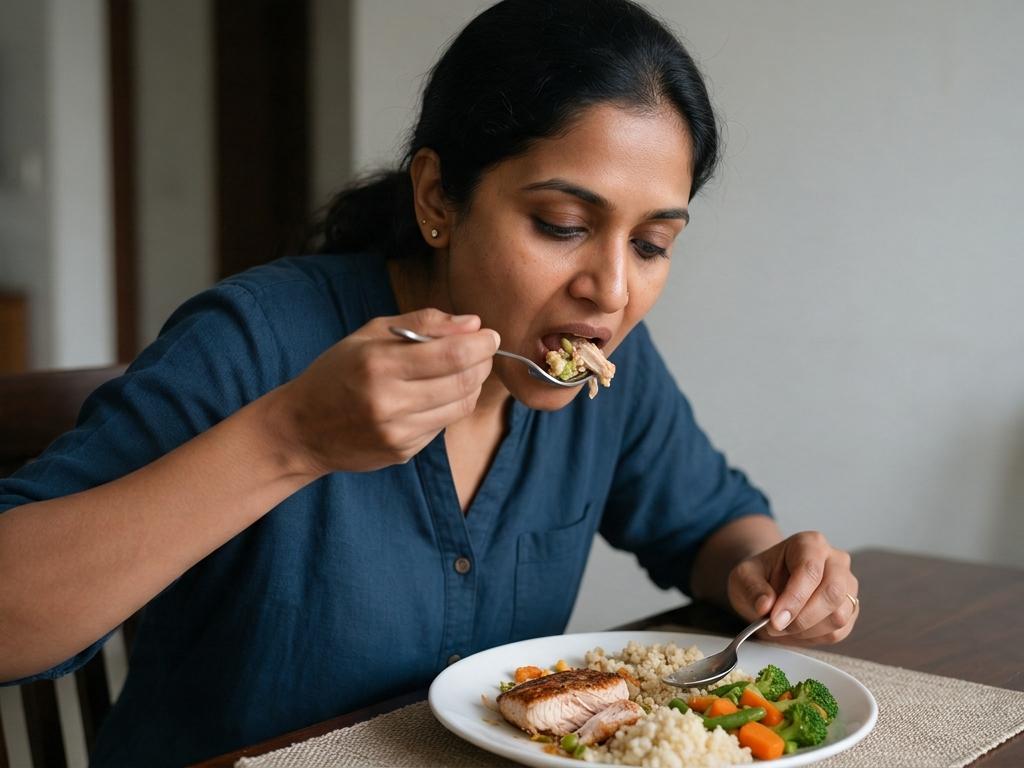
How to lower the risk
You cannot fully control how your face responds, but a few steps may help.
- Aim for steady, not extreme, weight loss. Slower loss gives skin more time to adapt, and it is generally easier on the body. Your doctor can advise on a rate that suits you.
- Eat enough protein. Protein supports muscle and skin. Many people on appetite-reducing medicines eat much less, and protein is often the first thing to fall short. A doctor or dietitian can tell you how much is right for you.
- Do strength training. Resistance exercise helps preserve muscle during weight loss. It will not stop facial fat from shrinking, but it supports your overall body composition.
- Stay hydrated and eat a balanced diet. Skin looks better when you are well nourished.
- Protect your skin from the sun. UV breaks down collagen, so a daily sunscreen is one of the most useful things you can do, with or without weight loss.
- Look after your skin at home. A gentle routine with a moisturiser, and, if your doctor suggests, a retinoid or other ingredients, supports skin quality over time.
- Do not smoke. Smoking speeds up skin ageing.
- Keep sleep, stress and alcohol in check. These affect the skin too.
- Let your doctor know early. If you are worried about how you are changing, say so before the weight comes off, not after.
Can it be fixed? What a dermatologist may discuss
The short answer is that there are options, and the right one depends on what has changed in your face and how much it bothers you.
Before anything else, wait for your weight to settle. If you are still losing weight, your face will keep changing. Most doctors prefer to wait until your weight has been stable for a few months, so that treatment is based on where your face is going to stay.
Here is an overview of what may be discussed. This is information, not a recommendation, and nothing here applies to everyone.
Skin care and medical-grade routines
- Sunscreen every day
- Retinoids, which are linked with improved skin texture and collagen over time
- Moisturisers and gentle products for dry, thin skin
These support skin quality but do not replace lost volume.
Skin boosters
Injectable hydrating products placed in the skin may improve hydration and skin quality. They do not add significant volume, but may help skin look fresher. A doctor will tell you whether they suit you.
Energy-based treatments
Treatments such as radiofrequency, focused ultrasound (HIFU) and microneedling radiofrequency work by heating the deeper layers of the skin to encourage collagen over weeks to months. They may help mild to moderate looseness, but results are modest and vary. They do not restore lost fat.
Dermal fillers
Hyaluronic acid fillers can restore volume in areas such as the cheeks, temples and under-eyes. They are used by many doctors for facial volume loss, and they can be adjusted over time. Because they add volume, careful planning matters: too much can look puffy or change your face in a way you did not want.
Collagen-stimulating injectables
Some injectables, such as poly-L-lactic acid and calcium hydroxylapatite, are designed to stimulate the body to build collagen gradually, giving a softer, more gradual improvement. They are chosen carefully and are not right for everyone.
Fat transfer and surgical options
For more significant volume loss, a plastic surgeon may discuss fat grafting or other surgery. These are bigger decisions with a longer recovery.
What about threads and other lifts?
Some people ask about thread lifts and similar procedures. The evidence and the results vary, and complication rates differ. Ask a doctor about the risks and what is realistic.
What are the risks of fillers and other treatments?
Every treatment has risks. For fillers and injectables, these may include:
- Bruising, swelling and tenderness
- Lumps or uneven areas
- Overfilling, which can look unnatural
- Infection
- Allergic reactions
- Rarely, a blocked blood vessel, which is a serious complication that needs urgent treatment
For energy devices, risks include redness, swelling, temporary numbness, burns and, in deeper skin tones, pigmentation changes if the treatment is not suited to your skin.
Many of these risks depend on who is doing the treatment and how carefully it is planned. A doctor who understands facial anatomy, explains the risks and discusses alternatives is worth far more than a low price or a quick fix.
A word on “before and after” pictures
If you search for “Ozempic face before and after” you will see many images. Be careful with them. Lighting, angle, filters and editing can change how a face appears. Also, in India, medical advertising rules do not allow doctors to use before-and-after photographs as promotion, so you are more likely to see them from non-medical sources.
Do not judge a treatment by an image. Judge it by the doctor’s assessment of your face and what is realistic.
Common mistakes to avoid
- Stopping your medicine without medical advice because of facial changes
- Over-filling too early while your weight is still falling
- Chasing every hollow, instead of treating the areas that matter most to you
- Relying on a single product or “miracle” cream
- Ignoring skin care basics like sunscreen
- Choosing a provider by price alone
- Comparing your face to filtered photos
When to see a dermatologist
Consider a consultation if:
- You are losing weight and have noticed changes in your face that bother you
- You want to know what is possible before the weight settles
- You are thinking about fillers or other treatments and want an honest view
- You have skin concerns that came along with weight loss, such as dryness or looseness
- You want to plan skin care alongside a weight-loss programme
A dermatologist can look at your face, discuss what has changed and talk through options, including the option to wait.
FAQ
What is Ozempic face?
It is a popular term for facial changes, such as hollow cheeks, sunken temples and looser skin, that can follow rapid weight loss, particularly in people using medicines such as semaglutide. It is not an official medical diagnosis.
Is Mounjaro face the same thing?
Yes. “Mounjaro face” refers to the same type of facial change seen with significant weight loss on tirzepatide. The cause is the weight loss, not a direct effect on the skin.
Does Ozempic or Mounjaro damage the skin?
The facial changes come mainly from loss of fat and volume as weight drops. Like other medicines, they can have side effects, which your prescribing doctor can explain.
Can I prevent Ozempic face?
You may lower the risk by losing weight at a steady pace, eating enough protein, doing strength training, protecting your skin from the sun and talking to your doctor early. It cannot be fully prevented for everyone.
How can I fix Ozempic face?
Options depend on your concerns and may include skin care, skin boosters, energy-based treatments, fillers or collagen-stimulating injectables. A dermatologist can advise after examining your face. It is usually best to wait until your weight is stable.
Are fillers for Ozempic face safe?
Fillers are widely used and generally considered safe when done by a trained doctor using suitable products, but they carry risks. Ask about the product, the plan and what happens if you have a problem.
Will my face go back to normal if I stop the medicine?
If weight returns, some facial fullness may too, but this is not predictable, and stopping a medicine without medical advice is not recommended.
Can this happen without weight-loss medicines?
Yes. Any rapid or significant weight loss can lead to similar facial changes.
Is facial fat loss permanent?
Fat lost from the face does not always return in the same way, even if you gain weight. This varies from person to person.
Do skin boosters help?
They may improve hydration and skin quality, but they do not add much volume. Your doctor can tell you if they suit your concern.
The takeaway
“Ozempic face” and “Mounjaro face” are not a disease and not a side effect only of these medicines. They describe what can happen to a face when fat is lost quickly. The effect depends on how much and how fast you lose weight, your age and your skin.
Look after your skin, lose weight at a steady pace with medical guidance and wait for your weight to settle before deciding on treatment. If the changes bother you, there are options, and a good doctor will help you pick the right one, or tell you when to wait.
If you would like your skin and facial volume assessed, you can contact Dr. Nishita’s Clinic for Skin, Hair & Aesthetics in Banjara Hills, Hyderabad. Treatment is advised only after consultation. Individual results vary.
Medically reviewed by Dr. Nishita Ranka, MBBS, DDVL – Dermatology, 06118. This article is for general information and is not a substitute for medical advice. Do not start, stop or change any prescribed medicine without speaking to your doctor.
Book a consultation: wa.me/919381218003
— Dr. Nishita Ranka | Consultant Dermatologist | Dr. Nishita’s Clinic for Skin, Hair & Aesthetics, Hyderabad
Explore More Articles: