Q-switched laser is one of the most targeted and effective tools for treating hyperpigmentation in dermatology — capable of selectively destroying melanin deposits in the skin without significant damage to surrounding tissue. It is also a treatment that requires careful application in Indian skin, where the same melanin that makes it effective as a target also creates a risk of collateral damage if settings are not correctly calibrated. Here is the complete clinical picture.
The Science of Q-Switching
Q-switching refers to the delivery of laser energy in extremely short, high-energy pulses — nanoseconds or picoseconds in duration. These ultra-short pulses produce a photoacoustic (rather than purely photothermal) effect: the melanin granules in the skin are shattered into smaller particles that the body’s immune cells (macrophages) can clear, rather than simply being heated and hoping for dispersal. This targeted fragmentation is what makes Q-switched and picosecond lasers significantly more precise for pigmentation removal than continuous-wave or longer-pulse laser systems.
What It Treats
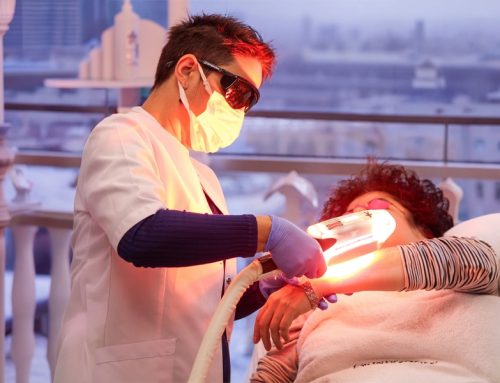
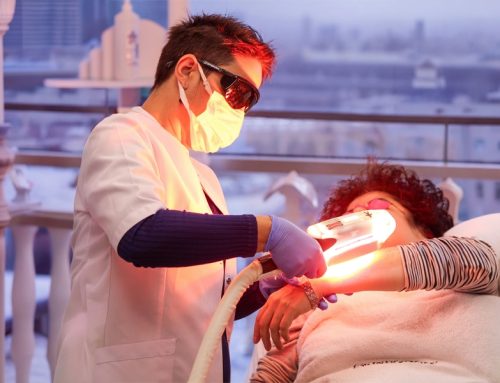
Q-switched lasers are used for: sun-induced pigmentation (lentigines), post-inflammatory hyperpigmentation, superficial melasma (epidermal component), Nevus of Ota and other dermal melanocytoses, café-au-lait macules, and tattoo removal. Different wavelengths target different chromophores: 1064nm (Nd:YAG) for dark brown and black pigment, 532nm for red and brown superficial pigmentation. The newest generation of picosecond lasers operates at faster pulse durations that produce even more efficient pigment fragmentation with less heat generation — reducing the risk of PIH in darker skin tones.
Indian Skin Considerations
The risk of post-treatment PIH in Indian skin is the primary clinical challenge of Q-switched laser in this population. The laser’s effect on epidermal melanin can trigger a melanocytic response in the surrounding skin. Conservative settings, longer intervals between sessions, and rigorous pre- and post-treatment sun protection significantly reduce this risk. We use a pre-treatment preparation protocol for all laser pigmentation patients and review at 4-6 weeks after each session before proceeding to the next. Results are progressive — typically 4-6 sessions are required for meaningful clearance of established pigmentation.
Book a consultation: wa.me/919381218003
— Dr. Nishita Ranka | Consultant Dermatologist | Dr. Nishita’s Clinic for Skin, Hair & Aesthetics, Hyderabad