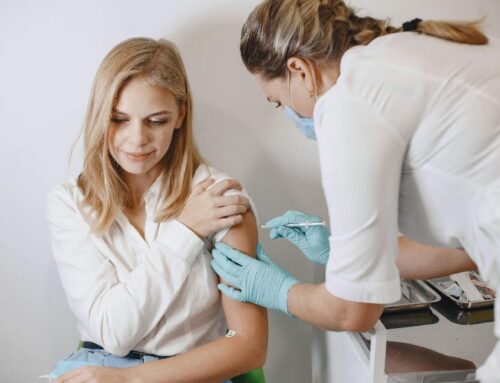
Walk into any beauty clinic in Hyderabad, Mumbai, or Delhi today, and you’ll almost certainly hear about glutathione. It’s the skin brightening treatment everyone is talking about — and almost no one is being fully honest about. So, as a board-certified dermatologist who has seen hundreds of patients asking about this, let me give you the complete, unfiltered truth.
Because this is a topic where the gap between what’s being sold and what the science actually shows can put your health at risk.
What Is Glutathione — And Why Does Your Body Already Make It?
Glutathione is a naturally occurring tripeptide — a molecule made of three amino acids: glutamine, cysteine, and glycine. It is synthesised inside virtually every cell of the human body, and it serves as one of your most powerful endogenous antioxidants.
Its biological roles are remarkable:
- Master antioxidant: It neutralises free radicals and reactive oxygen species, protecting cells from oxidative damage
- Detoxification: The liver uses glutathione to conjugate and excrete toxins, heavy metals, and environmental pollutants
- Immune modulation: It regulates T-cell proliferation and inflammatory pathways
- Mitochondrial protection: Mitochondria depend on glutathione to function without oxidative self-destruction
Here’s what many clinics selling glutathione injections won’t tell you: your body already produces it, and it does so continuously. Levels naturally decline with age, chronic illness, alcohol use, and prolonged stress — and that decline is clinically meaningful for overall health.
But the question isn’t whether glutathione is important. It is. The question is whether exogenous glutathione — taken as a supplement, injection, or IV drip — actually reaches your skin, and whether it changes your pigmentation in a meaningful, safe, and durable way.
The Skin Brightening Mechanism — What We Know (and Don’t Know)
Glutathione’s proposed skin-lightening mechanism centres on melanogenesis — the process by which your skin produces melanin. Here’s how the proposed pathway works:
- Tyrosinase inhibition: Glutathione (particularly in its reduced form, GSH) can inhibit tyrosinase, the key enzyme that drives melanin synthesis
- Eumelanin to phaeomelanin shift: Melanocytes produce two types of melanin — eumelanin (dark brown/black) and phaeomelanin (yellow/red). Glutathione may shift production toward the lighter phaeomelanin
- Free radical scavenging in the skin: By reducing oxidative stress in melanocytes, it may slow the oxidative activation of tyrosinase
This sounds compelling on paper. And there IS clinical evidence — but it’s more modest and more nuanced than the wellness industry would have you believe.
A 2012 randomised, double-blind, placebo-controlled trial published in Clinical, Cosmetic and Investigational Dermatology found that oral glutathione (500 mg/day for four weeks) produced a statistically significant reduction in melanin index in 30 Filipino women. However, the effect size was small, the follow-up was only four weeks, and no long-term data was collected.
A 2017 review in the Journal of the European Academy of Dermatology and Venereology concluded that while preliminary data is encouraging, evidence for glutathione as a systemic skin lightening agent remains “limited and of low quality.” The authors noted that most studies had small sample sizes, short durations, and no standardised dosing.
The honest summary: There is some evidence that oral glutathione supplementation can mildly brighten skin in the short term. There is far weaker or no credible evidence for significant, durable, whole-body skin lightening from injections or IV drips.
Oral Glutathione: The Most Studied (and Most Reasonable) Route
Of all the delivery methods, oral supplementation has the most clinical data — though “most data” in this field still means a limited body of evidence.
Does it absorb?
Historically, the concern was that glutathione taken orally would be broken down in the gut before reaching systemic circulation. A 2015 randomised controlled trial published in the European Journal of Nutrition challenged this assumption. It found that oral glutathione supplementation (500 mg/day for six months) significantly increased blood glutathione levels — suggesting oral bioavailability is better than previously thought.
However — and this is critical — increased blood glutathione levels do not automatically translate into skin brightening. The skin is not the primary target organ for glutathione’s antioxidant function. Tissue distribution studies are limited.
What doses are being used?
Most clinical trials have used 250–500 mg/day orally. Many clinics in India are prescribing 1000–2000 mg/day — doses far above what was studied — with no evidence that higher doses produce proportionally better results.
Safer alternatives worth stacking:
- Vitamin C (oral, 500–1000 mg/day): A known tyrosinase inhibitor with robust evidence for mild brightening and antioxidant protection
- Niacinamide (topical, 4–5%): Blocks melanosome transfer from melanocytes to keratinocytes; well-established for Indian skin types
- Tranexamic acid (oral 250 mg BD or topical 2–3%): Emerging as one of the most effective pigmentation treatments for Fitzpatrick III-V skin; see our pigmentation treatments page
Glutathione Injections: What the Evidence Actually Says
This is where I need to be very direct with you.
Intravenous glutathione injections for skin brightening are not approved by the FDA, CDSCO (India’s drug regulator), or any major medical regulatory body worldwide for this purpose.
The Indian Association of Dermatologists, Venereologists and Leprologists (IADVL) and the International Society of Dermatology have both flagged concerns about off-label IV glutathione use for cosmetic skin lightening.
The US FDA issued a specific safety communication in 2020 warning against glutathione injections for skin lightening, noting reports of:
- Thyroid dysfunction (both hypo- and hyperthyroidism)
- Neurological complications, including numbness in extremities and visual changes
- Renal impairment with high-dose chronic use
- Stevens-Johnson syndrome — a rare but life-threatening skin reaction — has been reported in association with IV glutathione in the Philippines, where this practice is most prevalent
In clinical terms: you are taking a real, documented risk for a benefit that has not been proven to work via this route.
IV glutathione is broken down and cleared rapidly. The half-life of intravenously administered glutathione is extremely short — around 2–3 minutes for free GSH in plasma. Most of what is infused is metabolised before it can reach skin tissue in meaningful concentrations. Studies that have attempted to measure skin glutathione levels after IV administration have not demonstrated sustained tissue-level increases.
My position as a dermatologist: I do not offer IV glutathione for skin brightening. I cannot offer something that lacks evidence of efficacy and has documented risks of serious harm. That’s not medicine — it’s a business model.
Glutathione Drips: The Wellness Clinic Version
“Glutathione drips” — administered in wellness centres, often mixed with Vitamin C, alpha-lipoic acid, and other antioxidants — occupy an interesting grey zone. They are marketed as health and “glow” treatments rather than explicit skin whitening.
From a purely medical standpoint:
- IV antioxidant cocktails may have some legitimate applications in specific contexts (oxidative stress from illness, heavy metal exposure, certain nutritional deficiencies)
- As routine cosmetic “glow drips” for healthy individuals, the evidence does not support routine use
- The risks remain the same as IV glutathione — and vary by clinic sterility, dosing, and monitoring practices
If a clinic is offering you a glutathione drip without a detailed medical history, blood work, and proper informed consent — that’s a red flag.
What About Glutathione Soap and Topical Products?
Short answer: glutathione molecules are too large to penetrate the skin barrier effectively in their intact form. Topical glutathione products may have mild antioxidant effects at the skin surface, but they are not delivering glutathione to melanocytes in any meaningful way.
If you see a “glutathione soap” or “brightening serum with glutathione” — it’s not harmful, but it’s almost certainly not doing what the label implies.
What actually works topically for brightening Indian skin:
- Niacinamide 4–5% — excellent tolerability, strong evidence
- Alpha-arbutin 2% — tyrosinase inhibitor, gentler than hydroquinone
- Tranexamic acid 2–3% — increasingly preferred for Indian skin types
- Azelaic acid 10–15% — dual action: brightening + anti-inflammatory (great for acne-prone Indian skin)
- SPF 50+ PA++++ — non-negotiable; no brightening treatment works without it
The Indian Context: Why This Matters More Here
India has a complicated relationship with skin tone — a legacy of colourism that the wellness industry has actively exploited. Skin lightening is a multi-billion-rupee industry in India, and glutathione sits at the premium end of it.
I see patients in my clinic in Hyderabad who have spent ₹15,000–₹40,000 on monthly glutathione drip packages with minimal visible results. Some have developed thyroid problems they didn’t have before. Some have been given injections at clinics with questionable sterility standards.
This isn’t an anti-treatment argument. I believe in treating hyperpigmentation, melasma, and uneven skin tone — these are legitimate dermatological concerns, and effective, safe treatments exist. Our pigmentation treatments and uneven tone and tanning page outline evidence-based options appropriate for Indian skin types.
The argument is against taking risks — clinical, financial, and physical — for treatments that haven’t earned the evidence to justify them.
When Glutathione Might Be Appropriate
There are contexts where glutathione supplementation makes genuine medical sense:
- Oxidative stress conditions: Chronic illness, heavy metal burden, post-illness recovery
- Liver support: Particularly in non-alcoholic fatty liver disease (NAFLD), where glutathione plays a role in hepatic detoxification
- Adjunct in specific dermatological treatments: Some dermatologists use oral glutathione as a supportive adjunct in melasma management — not as primary treatment, but stacked with tranexamic acid and sunscreen
In these contexts, oral supplementation (250–500 mg/day) under medical supervision is reasonable. I would still not recommend IV administration for any cosmetic purpose.
What I Actually Recommend for Skin Brightening
As a dermatologist at Dr. Nishita’s Clinic in Hyderabad, this is what I recommend for patients concerned about pigmentation, uneven tone, and dullness:
- Sun protection — always, always first
SPF 50+ PA++++ is the single most effective anti-pigmentation tool available. Every study on brightening treatment efficacy controls for sun protection because without it, nothing else works durably. More on our approach to skin longevity and sun protection.
- Evidence-based topicals
Niacinamide, tranexamic acid, azelaic acid, alpha-arbutin — in the right combinations and concentrations for your skin type and concern.
- Professionally supervised chemical peels
Glycolic acid peels (20–70%), lactic acid, mandelic acid — appropriate for Fitzpatrick III-V skin when done correctly, at the right strength, with the right post-procedure care.
- Skin boosters and mesotherapy for glow
Hyaluronic acid-based skin boosters, polynucleotides (PDRN), and specifically formulated brightening mesotherapy cocktails can significantly improve skin radiance and texture without the risks of IV glutathione. See our skin boosters page.
- Targeted treatment for melasma
Melasma requires a combination approach: tranexamic acid (oral/topical), depigmenting agents, laser (carefully chosen for skin type), and rigorous photoprotection. Our melasma and pigmentation clinic specialises in this.
FAQ
Q1: Is glutathione injection safe for skin brightening in India?
No regulatory body — including India’s CDSCO or the US FDA — has approved glutathione injections for skin brightening. The FDA issued a specific safety communication warning of risks including thyroid dysfunction, neurological effects, and renal impairment. There is also no robust clinical evidence that IV glutathione effectively lightens skin tone.
Q2: Does oral glutathione supplement work for skin brightening?
There is limited evidence that oral glutathione (250–500 mg/day) may produce mild brightening effects over 4–12 weeks, likely through antioxidant mechanisms that modulate melanogenesis. The effect is modest and is not a substitute for evidence-based pigmentation treatments under dermatological supervision.
Q3: Which is better for skin brightening — glutathione or tranexamic acid?
Tranexamic acid (oral and/or topical) has stronger and more consistent clinical evidence for skin brightening in Indian skin types, particularly for melasma and post-inflammatory hyperpigmentation. It is approved, widely studied, and has a well-established safety profile. Most dermatologists in India now prefer tranexamic acid over glutathione for pigmentation management.
Q4: How long does glutathione take to lighten skin?
In the oral supplementation studies showing positive results, changes in melanin index were observed at 4–12 weeks. These changes were mild to moderate. Claims of “2–3 shades lighter” in 2–4 weeks are not supported by clinical evidence and should be treated with scepticism.
Q5: What are the best skin brightening treatments available at a dermatology clinic in Hyderabad?
Evidence-based options include: SPF 50+ PA++++ as a foundation, niacinamide and tranexamic acid topicals, medicated peels (glycolic, mandelic, lactic acid), mesotherapy and skin boosters, and targeted treatments for melasma or post-inflammatory hyperpigmentation. Consult a board-certified dermatologist for a treatment plan tailored to your skin type, concern, and budget.
Dr. Nishita Ranka, MBBS, DDVL, is a board-certified dermatologist and Medical Director at Dr. Nishita’s Clinic for Skin, Hair & Aesthetics, Banjara Hills, Hyderabad. She is an international trainer for Juvederm (Allergan), Restylane (Galderma), and Menarini, and a recipient of the Dermatologist of the South Award (Economic Times, 2025).