Do you remember Salma Hayek’s portrayal of Frida Kahlo in Frida. Her distinctive brows were not merely a facial feature; they became an unmistakable part of her identity, strength and self-expression? Eyebrows are one of the most prominent facial features of a person that accentuates the eyes, facial expressions, influence facial balance and, for many people, confidence. However, no one is born with the perfect set of eyebrows. 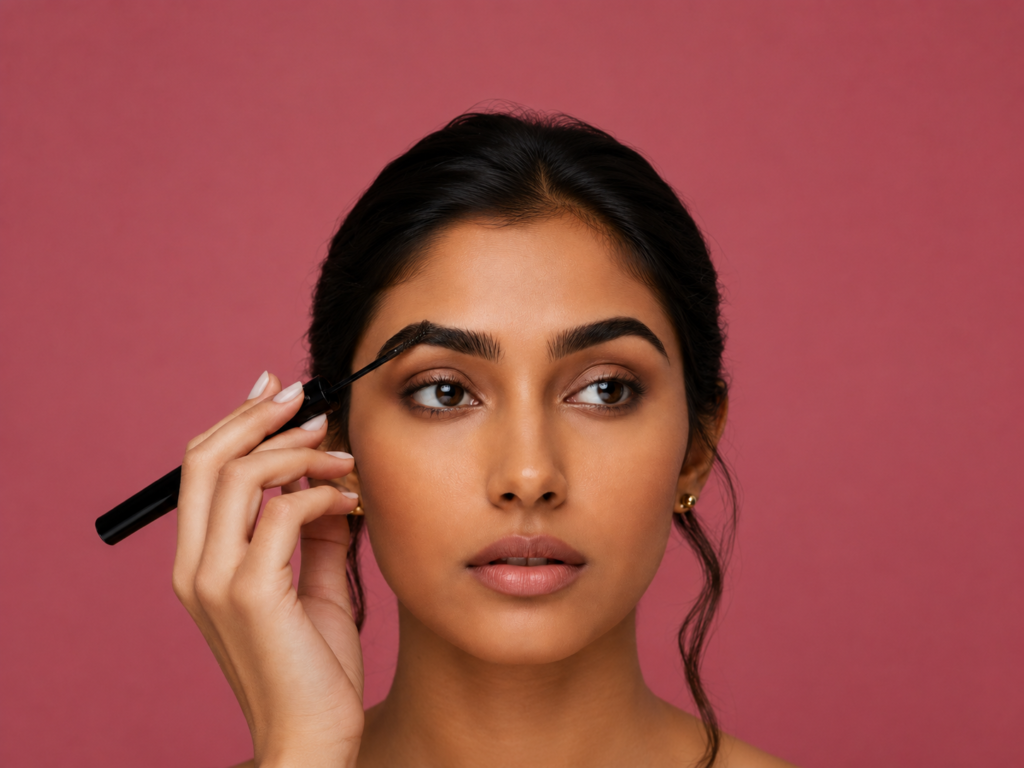 Some people naturally have sparse or low-density eyebrows, while others lose brow fullness through years of over-plucking, ageing or medical conditions. Over time, some grow tired of filling in their brows every morning, while others seek to improve asymmetry or restore definition. In recent years, microblading has become one of the most sought-after options for creating fuller, naturally defined eyebrows with fine, hair-like strokes. A skilled practitioner can enhance the shape and symmetry of the brows while reducing the need for daily makeup. The technique involves depositing pigment beneath the skin’s surface, therefore, careful treatment planning, hygienic practices and appropriate aftercare are essential, particularly when treating delicate areas such as under eye hollows.
What Exactly Is Microblading?
Microblading is a semi-permanent manual cosmetic-tattoo technique. The practitioner uses a pen-like hand tool fitted with a row of very fine needles to make individual strokes and deposit pigment. The aim is to imitate real brow hairs rather than create a solid block of colour. A well-planned microblading process respects the patient’s natural hair direction, facial proportions and existing asymmetry. Perfectly identical brows are neither realistic nor necessarily attractive; the goal is balance, not mathematical duplication
Where Does the Pigment Sit—and Why Does It Fade?
One of the most common misleading information online is that microblading pigment only penetrates the basal layer of the epidermis and simply sheds as skin cells turn over. However, the truth is for a stroke to persist beyond a few weeks, pigment must reach the superficial, or papillary, dermis layer of the skin. 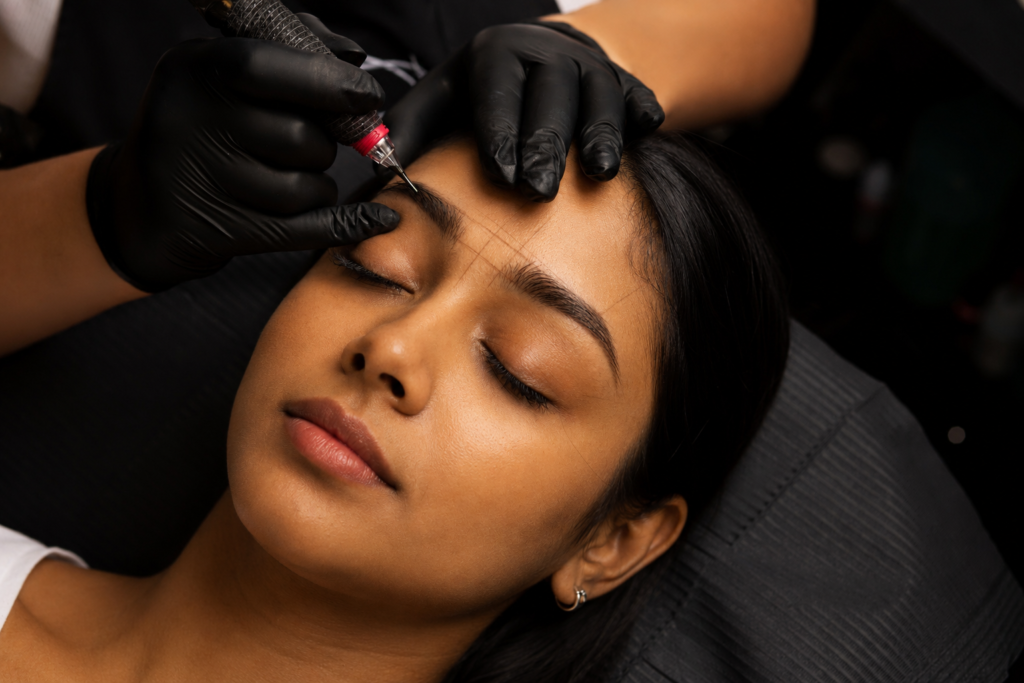 If the tool stays too shallow, retention is poor. If it goes too deep, strokes can spread, scar or heal with a blurred, ashy appearance. A clinical review published in the Indian Dermatology Online Journal identifies the superficial papillary dermis as the intended plane for pigment placement during microblading. Fading is natural and influenced by several factors: implantation depth, pigment composition, the body’s inflammatory and lymphatic clearance, ultraviolet exposure, skin characteristics, skincare habits and the number of previous sessions. This is why longevity varies so widely. For some people, the pigment may last for two to three years or even longer, but most people observe fading within 12 to 18 months. Semi-permanence does offer one advantage: the brow can be reassessed as hair colour, facial contours and aesthetic preferences change. I still advise patients to treat the decision as long-term, because correction is not quick or guaranteed.
Microblading or Powder Brows?
Microblading tends to suit normal-to-dry skin with enough natural brow hair for the strokes to blend into. It may be less predictable on very oily, thick or highly porous skin, where hairstrokes can lose definition. Powder or ombré brows are made with a machine that builds a soft, shaded effect from tiny deposits of pigment. For some patients with oily skin, this technique heals more evenly and keeps its shape better. It does not, however, look exactly like individual hairs. A combination brow—hairstrokes in selected areas with subtle shading elsewhere—can sometimes provide a useful middle ground.
What Is Nanoblading and Is It Different From Nano Brows?
“Nanoblading” is one of the least consistently used terms in permanent makeup. Some practitioners use it to describe manual microblading performed with an especially fine blade—often made with needles around 0.18 mm in diameter—to produce thinner hairstrokes. Others use “nanoblading” and “nano brows” interchangeably, even when the procedure is performed with a digital tattoo machine. A single fine needle moves rapidly in and out of the skin, building each hairstroke from a series of tiny punctures. The machine gives an experienced practitioner fine control over speed, pressure and stroke pattern. It does not create the same slicing action as a manual blade, hence nano-brow treatment may cause less cutting trauma. It can be considered for some patients with oily, sensitive, mature or previously worked skin. The cosmetic outcome differs from powder brows. Powder brows offer a softly filled-in or colored look, whereas nano brows try to replicate individual hairs. When a patient need both texture and density, the two methods can be combined. 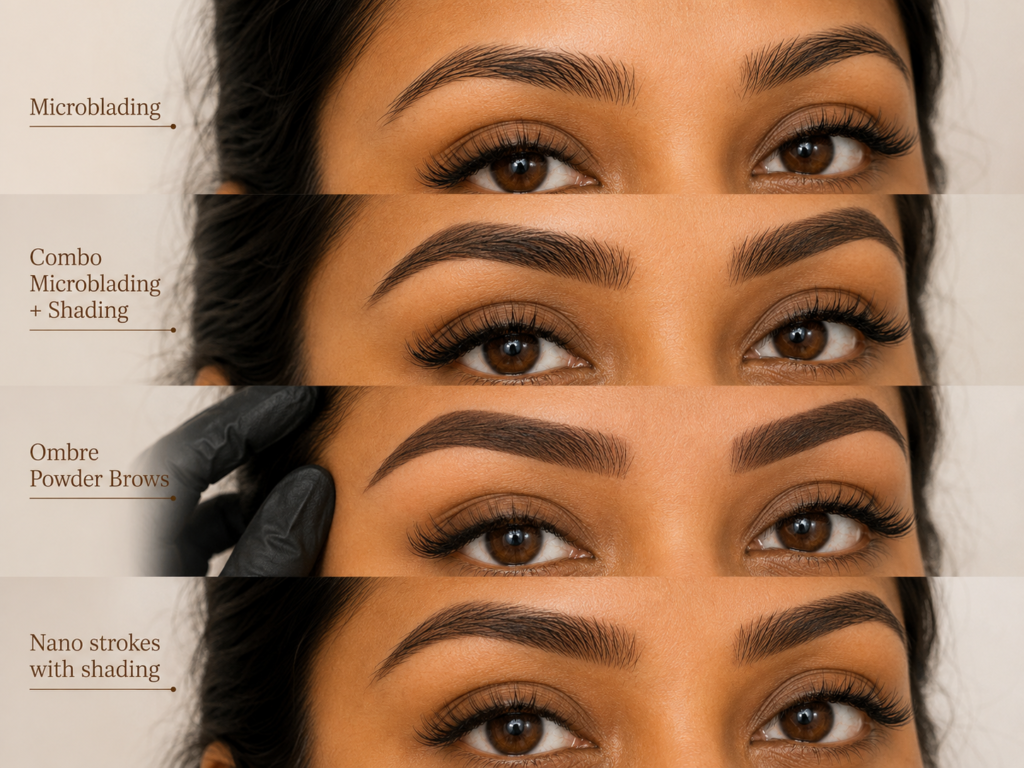
Who Should Postpone or Avoid Microblading?
Contraindication lists on salon websites are often presented as universal rules. In reality, some situations call for deferral, while others need an individual medical assessment. I would postpone treatment when there is:
- An active infection, cold sore, acne flare, dermatitis, eczema, psoriasis, sunburn or open wound in or near the brow area
- Pregnancy, because safety data for pigments and topical anaesthetic exposure are limited and an elective procedure can wait
- Recent surgery or an illness that is affecting healing
- Uncontrolled diabetes or significant immune suppression
- Active treatment with isotretinoin, unless the prescribing dermatologist has specifically cleared the procedure
- An inability to follow aftercare or return for review if a problem develops
Extra caution is appropriate for anyone with a history of keloids or abnormal scarring, pigment allergy, bleeding disorders, anticoagulant use, poorly controlled inflammatory skin disease or previous reactions to tattoos. A pacemaker, thyroid medication or autoimmune diagnosis is not automatically the same thing as an absolute ban. The relevant question is whether the condition is stable, which medicines are being taken, what anaesthetic is planned and how well the patient is likely to heal. That decision may require clearance from the treating physician. If eyebrow loss is new, patchy or progressing, investigate the cause first. Microblading can camouflage missing hair, but it does not treat alopecia areata, frontal fibrosing alopecia, thyroid disease or nutritional deficiency. 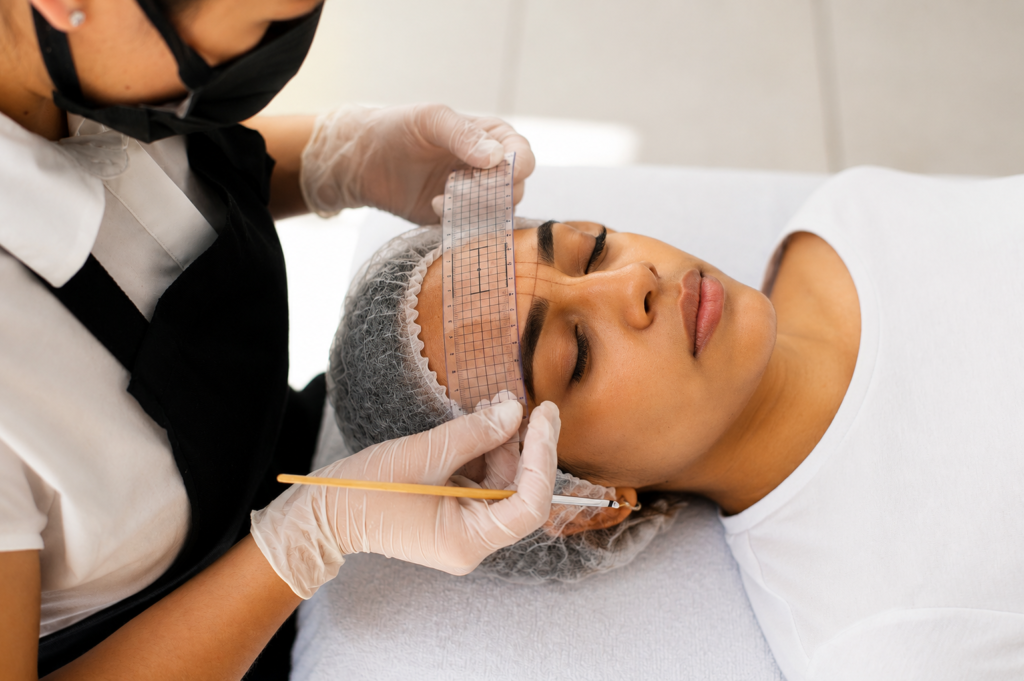 The consultation should begin before a blade is opened. Expect a discussion about your medical history, medicines, allergies, prior permanent makeup and the result you hope to achieve. The practitioner should assess the skin and explain how the chosen pigment may change over time. Next comes mapping. Measurements and a drawn outline help establish the front, arch and tail of each brow. Look at the design while sitting upright, check it in more than one expression and take your time before consenting. Once pigment is implanted, changing the outline is much harder than changing pencil. A topical local anaesthetic is commonly used. Discomfort varies; most patients describe scratching, pressure or a dragging sensation rather than severe pain. The microblading itself is often completed in more than one pass, with pigment applied between passes.The whole appointment commonly takes around two hours, although speed is not a marker of quality.
What Normal Healing Can Look Like
Healing is not identical for everyone, and the neat “day-by-day” schedules online are only approximations. During the first few days, brows usually look darker, sharper and slightly thicker than the final result. Mild redness, tenderness and a small amount of clear fluid can occur. Over the following week, the area may feel tight or itchy and develop fine flaking or light scabbing. Do not pick as removing a flake before it separates naturally can disturb healing and take pigment with it. Between roughly days 7 and 14, the strokes may look patchy or surprisingly pale. Artists often call this the “ghosting” phase. The healing surface can temporarily obscure some colour, but not every apparently missing stroke will return. Over the next several weeks, the colour usually settles and softens. In case you experience increasing pain, redness, pus, open sores, fever or chills, it is advisable to visit your doctor immediately for medical advice.
Aftercare: Simple, Clean and Consistent
There is no single evidence-based microblading aftercare protocol used everywhere. “Dry healing” and ointment-based instructions vary between practitioners, so follow the written plan supplied by a reputable provider. It should tell you how and when to clean the area, whether to use a thin layer of a specified product and whom to contact if healing is not going as expected. The principles are straightforward:
- Touch the area only with clean hands
- Do not scratch, rub or peel flakes
- Avoid swimming, saunas, steam, heavy sweating and prolonged soaking while the surface is healing
- Keep makeup, fragranced products, retinoids, exfoliating acids and strong actives off the brow area until the skin has healed
- Avoid direct sun during during healing
- Once healed, use broad-spectrum sunscreen around the brows to limit ultraviolet-related fading
Strict claims suggesting that aftercare is exactly “50% of the result” or that all brows need to stay completely dry for a specific number of days are not entirely true, as the technique, pigment, infection control, skin biology, and aftercare also play important roles.
Upkeep and Touch-Ups
Several practitioners examine the brows at 6-8 weeks. A minor touch-up can enhance the strokes that only partially healed. Repeated “annual refreshes” can build up pigment and gradually turn separate strokes into a more solid shape. I would advice to refresh only when enough fading has occurred to justify it, rather than treating the calendar as a rule.
Can Unwanted Microblading Be Removed?
Laser treatment can lighten many microblading procedures to a great extent. The correct wavelength and treatment plan depend on the visible colour, pigment chemistry, skin phototype and whether previous laser exposure has unmasked red, orange or yellow components. Certain cosmetic pigments that contain iron oxide or titanium dioxide can, in some instances, darken when treated with a laser. However, no laser can guarantee total clearance without colour change, bleaching of hair, dyspigmentation or scarring. Removal usually takes multiple sessions. It belongs in experienced medical hands, particularly for darker skin tones or mixed-colour pigments.
Frequently Asked Questions About Microblading
Is Microblading Painful?
Most patients describe scratching, pressure or a dragging sensation rather than severe pain. A topical local anaesthetic is commonly used, but comfort varies with individual sensitivity, the condition of the skin and the practitioner’s technique. Increasing pain after the procedure—especially with spreading redness, warmth or discharge—needs medical attention.
How Long Does Microblading Last?
Many people notice substantial fading within 12 to 18 months, but pigment may remain visible for two or three years or longer. Factors like skin type, pigment composition, implantation depth, UV exposure, skincare and previous touch-ups all influence longevity.
Will Microblading Look Natural?
It can look very natural when the colour, stroke direction and brow shape complement the patient’s existing hair and facial proportions. Results are less convincing when strokes are packed too closely, the pigment is implanted too deeply or a fashionable template is used without adapting it to the face. Ask to see healed photographs, not only images taken immediately after treatment.
Is Microblading Suitable for Oily Skin?
Sometimes, but the result can be less predictable. Hairstrokes may soften or blur sooner on very oily or porous skin. Powder brows, ombré brows or a combination technique may retain definition better, although they create a more shaded finish. The decision should follow an in-person skin assessment.
Does Microblading Remove or Damage Natural Eyebrow Hair?
Correctly performed microblading should not require shaving off the natural brows, and the strokes are usually designed around existing hair. Poor technique, repeated trauma, infection or scarring can potentially damage follicles. New or progressive brow loss should be medically assessed rather than concealed.
Can I Have Microblading During Pregnancy or While Breastfeeding?
I advise postponing elective microblading during pregnancy because safety data for pigments and topical anaesthetics are limited, and any procedure that breaches the skin carries an infection risk. Breastfeeding is not automatically equivalent to pregnancy, but pigment ingredients, anaesthetic choice, medicines and individual health still warrant discussion with the treating doctor. A reputable practitioner should never pressure someone to proceed.
Can I Exercise, Swim or Wear Makeup After Microblading?
Avoid heavy sweating, swimming, saunas, steam and makeup directly over the brows while the surface is healing. The precise interval varies with healing and the provider’s protocol, so follow the written aftercare instructions you receive. Do not resume these activities simply because the brows look dry if the skin remains tender, flaky or broken.
When Can I Restart Retinol, Vitamin C or Exfoliating Acids?
Keep retinoids, alpha- and beta-hydroxy acids, scrubs and other irritating actives away from the brow area until the skin has fully healed. This often takes at least 10 to 14 days, but visible surface healing does not occur on an identical schedule for everyone. Restart gradually and avoid applying strong actives directly over the brows if premature fading is a concern.
Is a Touch-Up Always Necessary?
No. A review at approximately six to eight weeks is useful because the healed colour and any gaps can then be assessed properly. Some patients benefit from a conservative touch-up; others are already satisfied. Reworking pigment too frequently can create saturation, blur distinct strokes and make later correction harder.
What Should I Do if I Dislike the Result?
Contact the practitioner first, but do not allow immediate corrective tattooing over inflamed or incompletely healed skin. Shape and colour should generally be reassessed after healing. Depending on the problem, options may include waiting for fading, careful colour correction or laser treatment by an experienced medical professional. Avoid do-it-yourself acids, salt solutions or removal creams, which can cause burns and scarring.
When Should I See a Dermatologist After Microblading?
Seek prompt medical assessment for worsening or spreading redness, increasing pain, marked warmth, pus, open sores, fever, chills, significant swelling or a persistent itchy or nodular reaction. Also consult a dermatologist if eyebrow loss is new or progressing, or if you have an inflammatory skin disorder, abnormal scarring history or medication-related concern before the procedure. This article provides general education and does not replace an individual medical consultation. Regulations and permitted scopes of practice vary by location.
Book a consultation: wa.me/919381218003
— Dr. Nishita Ranka | Consultant Dermatologist | Dr. Nishita’s Clinic for Skin, Hair & Aesthetics, Hyderabad