Carbon Peel Treatment: What It Actually Does and What to Expect
Most patients booking a Carbon Peel have already tried the usual route: a monthly facial, an at-home clay mask, maybe a few oil-control serums picked off a pharmacy shelf. Carbon Peel gets recommended so often for oily, congested skin that it’s easy to file it under “fancy facial.” It isn’t one. Carbon Peel, also called the Hollywood Peel or Carbon Laser Peel, is a dermatologist-performed laser treatment. It works beneath the surface, not just on it, which is the main thing that separates it from a spa facial promising the same glow. Before booking a session, it helps to know what the treatment actually does, who it suits, and what results look like once the immediate shine wears off.
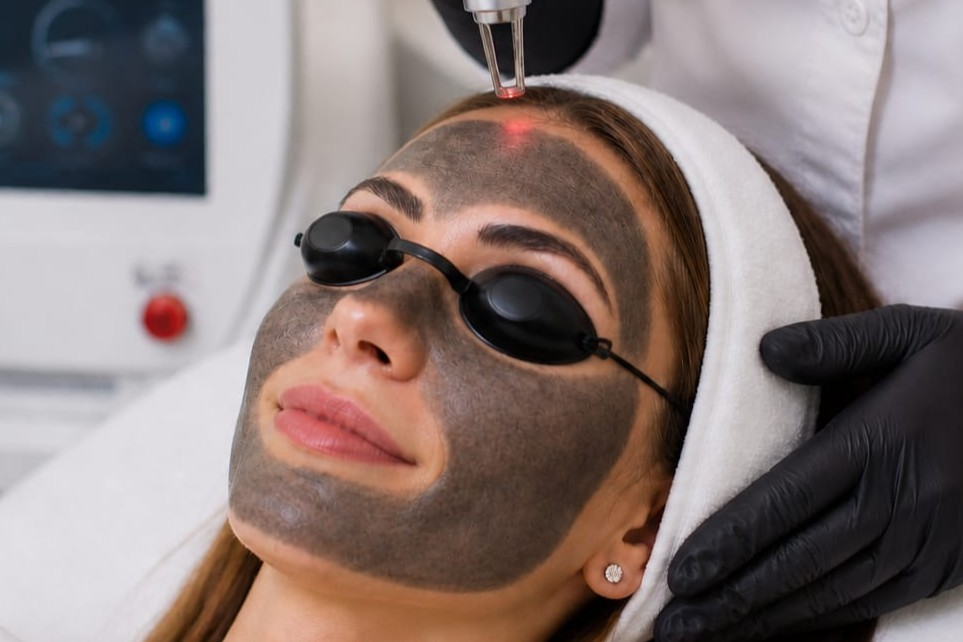
What Carbon Peel Actually Does
A single session brings visible brightness almost immediate y, which is part of why it gets mistaken for a surface treatment. But the mechanism goes further than that. Over a course of sessions, Carbon Peel can also:
- Reduce excess oil production
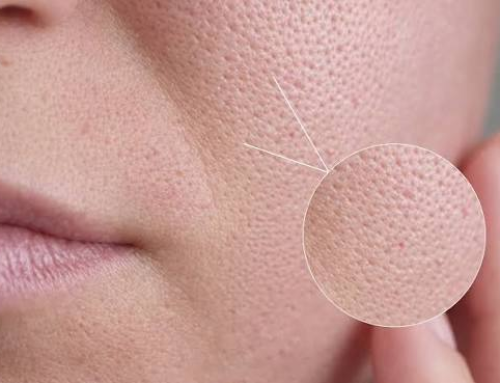
- Improve the appearance of enlarged pores
- Clear dead skin cells sitting on the surface
- Refine uneven texture
- Manage blackheads
- Support collagen stimulation
For anyone dealing with oily or acne-prone skin, this makes it a genuinely different category of treatment than a one-off glow facial. It’s working on the follicle and the skin’s oil balance, not just polishing the surface.
How It Works: Carbon and Laser Together
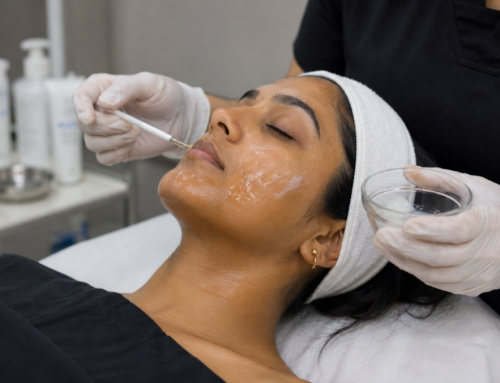
The procedure is a two-step process, and each step does a distinct job. First, a thin layer of medical-grade liquid carbon is applied across the face. This settles into the pores and binds to excess oil, dead skin cells, and surface debris as it dries. Once dry, a specialised laser is p assed over the skin. The laser energy targets the carbon particles specifically, fragmenting them and lifting the bound debris out along with them. As the carbon is removed, so is whatever was contributing to dullness, congestion, and enlarged pores in the first place. The laser also generates controlled heat within the skin, which encourages collagen production and supports better texture over the following weeks. This is a precise, controlled process, not an aggressive scrub or peel, which is part of why the downtime is so minimal compared to more intensive laser procedures.
Who Carbon Peel Actually Suits
Carbon Peel isn’t a blanket solution for every skin concern, and it’s worth being specific about where it genuinely helps. A dermatologist is more likely to recommend it if you have:
It’s especially useful for people whose skin stays oily despite a decent skincare routine, since the treatment helps regulate oil at the follicle level rather than just mattifying the surface temporarily. Where it isn’t the right fit: deeper acne scars, significant pigmentation, or advanced signs of ageing usually need a different treatment, or a combination of treatments, to get real results. T his is exactly why a proper consultation matters more than picking a treatment off a menu. A dermatologist can look at your skin and tell you honestly whether Carbon Peel is the right call or whether something else will get you there faster.
One Session Refreshes, But Results Build Over a Few
You’ll likely notice brighter, smoother, less oily-looking skin right after your first session. That part is real and immediate. What takes longer is the deeper improvement: enlarged pores, active acne, oil regulation, and texture change gradually across a series of sessions rather than disappearing after one visit. How many sessions you’ll need depends on:
- Your skin type
- The specific concern being treated
- How severe it is
- How your skin responds to the first few sessions
There’s no fixed number that applies to everyone here. A dermatologist will build a plan around your skin’s actual response rather than a generic package. It’s more useful to think of Carbon Peel as an ongoing part of your skincare routine than a single fix you do once and forget. Downtime Is Minimal, But Aftercare Still Matters Carbon Peel fits easily around a working schedule. The session itself runs about 30 to 45 minutes, and most people go straight back to their day afterward. Right after treatment, you might notice mild redness, some warmth, or a tighter, refreshed feel to your skin. These settle within a few hours for most people. Unlike more intensive laser treatments, there’s no prolonged peeling or recovery period involved. That said, minimal downtime doesn’t mean no aftercare. What you do with your skin in the days after treatment has a real effect on how well the results hold. For the first few days after a session:
- Apply a broad-spectrum sunscreen every morning
- Stick to a gentle cleanser and moisturiser
- Keep your skin well hydrated
- Skip harsh scrubs, exfoliating acids, and retinoids unless your dermatologist says otherwise
- Avoid picking at your skin or using abrasive products
Your skin may already feel smoother the same day, but whether that improvement lasts depends on consistent aftercare, not the treatment alone.
Matching the Treatment to Your Actual Skin
Carbon Peel is a strong option, but it isn’t automatically the right one for every concern that walks through the door. During a consultation, a dermatologist typically evaluates:
- Skin type
- Oil production
- Pigmentation
- Acne activity
- Skin sensitivity
- Overall skin health
Depending on what that assessment shows, Carbon Peel might not be the recommendation at all. For dehydration and dullness without much oil or congestion, HydraFacial MD® tends to be a better match. For instant hydration and radiance before an event, OxyGeneo™ is often the more appropriate pick. For acne scarring or deeper textural change, Microneedling or laser resurfacing usually delivers more than a Carbon Peel would. The point isn’t to recommend whatever’s trending. It’s to recommend what your skin actually needs, even when that means a different treatment altogether.
The Bottom Line
Carbon Peel earns its popularity honestly: it combines deep cleansing, gentle exfoliation, and genuine skin rejuvenation with almost no downtime. For oily skin, enlarged pores, mild acne, or uneven texture, it can deliver real, visible improvement when it’s performed by a qualified dermatologist and followed with basic aftercare. But the best treatment is never the one that’s trending. It’s the one suited to your skin, decided after an actual consultation rather than a guess based on what worked for someone else.
FAQs
Is Carbon Peel just a fancy facial?
No. It’s a dermatologist-performed laser treatment that works on oil regulation, follicle congestion, and collagen stimulation beneath the surface, not just surface polish. The immediate glow is real, but the deeper benefits build over a series of sessions.
How many sessions will I actually need?
There’s no fixed number. It depends on your skin type, what you’re treating, how severe it is, and how your skin responds early on. A dermatologist will map this out based on your skin rather than a standard package.
Does Carbon Peel hurt or need recovery time?
It’s gentle and non-invasive, taking around 30 to 45 minutes. Expect mild redness or warmth that settles within a few hours. Most people return to normal activities the same day.
Can Carbon Peel treat acne scars or pigmentation?
Not effectively on its own. For deeper scarring or significant pigmentation, treatments like Microneedling, laser resurfacing, or a combination approach usually work better. Carbon Peel is best suited to oiliness, congestion, mild acne, and texture.
What should I avoid after a Carbon Peel session?
Skip harsh scrubs, exfoliating acids, and retinoids for a few days unless your dermatologist advises otherwise, and avoid picking at your skin. Daily sunscreen and a gentle routine matter more than any single product in the days after treatment.
How do I know if Carbon Peel is right for me instead of another treatment?
That’s what a consultation is for. A dermatologist assesses your skin type, oil levels, pigmentation, and acne activity before recommending Carbon Peel, HydraFacial MD®, OxyGeneo™, or Microneedling, whichever actually matches what your skin needs.