Most patients asking about tan removal have already worked through the usual line-up: besan and turmeric packs, tomato pulp, lemon juice, a de-tan scrub picked up at the pharmacy. Some of it lightens surface tan a little. None of it touches the tan that’s actually stubborn, the kind that sits evenly across the face and neck and doesn’t fade even months after the sun exposure that caused it.
That’s because a suntan isn’t a stain sitting on top of the skin. It’s melanin, produced deeper in the skin as a direct response to UV exposure. A scrub can lift some of the pigmented dead skin cells on the surface, but it can’t touch melanin that’s already been deposited lower down, which is exactly why home remedies plateau while the tan underneath stays put.
For anyone dealing with genuinely persistent tanning, especially the kind common with Indian skin’s higher baseline melanin, treatment needs to work at the level where the pigment actually sits. Here are the five options a dermatologist is most likely to recommend, in order of how they’re typically layered together.
What Tan Removal Actually Targets
When skin is exposed to UV radiation, melanocytes produce extra melanin as a protective response. That pigment then gets distributed through the upper layers of skin, which is what shows up as tanning. Left alone, a mild tan fades over several weeks as skin cells naturally turn over. A tan that’s been reinforced by repeated sun exposure, or worn deeper by heat and humidity typical of a city like Hyderabad, sits past that natural turnover window and needs active help to clear.
This is also why Indian skin needs a slightly different approach than tan-removal advice written for lighter skin tones. Higher baseline melanin means a higher risk of post-inflammatory hyperpigmentation if a treatment is too aggressive, so the safest tan removal treatment for Indian skin is usually the one calibrated carefully to your skin type, not necessarily the strongest one available.
1. Chemical Peels
Chemical peels using glycolic, lactic, or mandelic acid work by accelerating cell turnover, helping pigmented surface cells shed faster than they would on their own. For general sun tan and mild pigmentation, this is often the first-line professional treatment, since it’s effective, well-tolerated, and easy to layer with other treatments over a series of sessions.
The concentration and acid type matter more for Indian skin than they do for lighter skin tones, since a peel that’s too strong can trigger the very post-inflammatory darkening it’s meant to treat. This is a treatment that benefits from being dermatologist-guided rather than done with an at-home peel kit.
2. Laser Toning
Q-switched laser toning uses short pulses of laser energy to break down melanin deposits in the skin without damaging the surrounding tissue. It’s particularly effective for tan that’s stubborn and fairly uniform across the face, since the laser can be passed evenly over the treatment area.
Because laser settings need to be adjusted carefully for melanin-rich skin to avoid triggering pigmentation as a side effect, this is one of the treatments where clinic experience with Indian and South Asian skin tones genuinely changes the outcome.
Multiple sessions are typically needed, spaced a few weeks apart, for visible and lasting change.
3. Carbon Peel
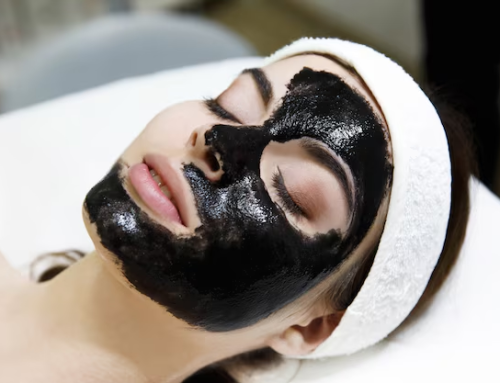
Carbon peel, sometimes called the Hollywood peel, pairs a medical-grade carbon lotion with laser energy to lift oil, debris, and some surface pigmentation out of the skin while also brightening tone. It isn’t a targeted pigment treatment the way laser toning is, but it’s a strong option for people dealing with tanning alongside oiliness, dullness, and enlarged pores, since it addresses all of these together with minimal downtime.
4. Medical-Grade Medifacials
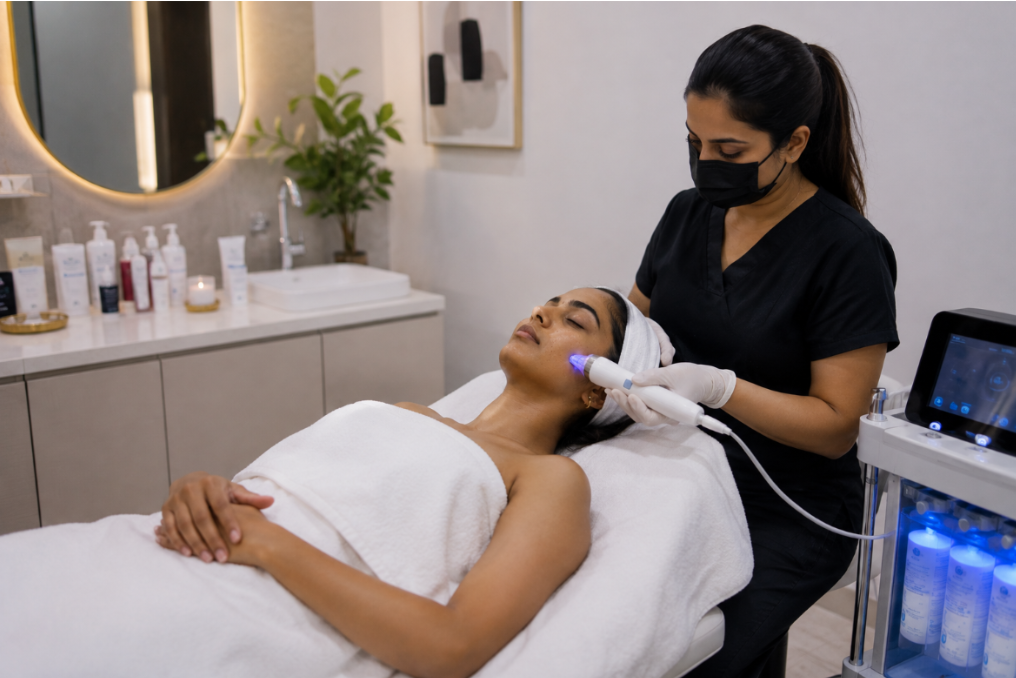
Treatments like HydraFacial MD® and similar dermatologist-administered medifacials combine deep cleansing, exfoliation, and targeted serums to brighten tone and support skin hydration in the same session. These work best as a maintenance layer between more targeted treatments, keeping skin looking even and refreshed rather than acting as the primary fix for a deep or long-standing tan.
5. Prescription-Strength Tan-Correcting Skincare
Not every part of a tan-removal plan happens in the clinic. A dermatologist-prescribed routine built around ingredients like tranexamic acid, kojic acid, azelaic acid, and vitamin C can meaningfully fade tan and even out tone over several weeks, particularly when used alongside in-clinic treatments rather than as a replacement for them.
Sunscreen belongs in this category too, not as an optional add-on. Every other treatment on this list works against sun-induced melanin. Skipping daily broad-spectrum sunscreen means reintroducing the exact trigger the treatment is trying to correct, which is the single most common reason people feel like their tan “keeps coming back.”
Why Home Remedies Fall Short
Lemon juice, tomato pulp, and besan packs can create a mild, temporary brightening effect through gentle exfoliation, but none of them reduce melanin that’s already been deposited deeper in the skin. Lemon juice in particular is genuinely risky on tanned skin: it’s photosensitising, meaning it increases the skin’s sensitivity to UV light, and applying it before sun exposure can actually worsen pigmentation rather than fade it.
The pattern with most home remedies is the same one seen with any surface-only approach: a brief improvement followed by the tan reappearing in the same areas, because the underlying melanin was never actually addressed.
What Results Actually Look Like
Chemical peels and laser toning generally show visible improvement across three to six sessions, spaced two to four weeks apart, with more noticeable change appearing gradually rather than after a single visit. Carbon peel and medifacials bring an immediate brightening effect, though the deeper correction still builds over a series of sessions layered with the more targeted treatments above.
None of these treatments make skin permanently tan-proof. What they do is clear the existing pigment and reset the skin’s baseline tone, which is then maintained, or undone, depending on how consistently sunscreen and post-treatment skincare are followed afterward.
When to See a Dermatologist
Tan that hasn’t faded after several weeks without further sun exposure, tan that’s come with visible patchiness or darker blotches rather than an even tone, or pigmentation that’s worsened despite home remedies are all reasons to book a consultation rather than keep experimenting. This is especially true for anyone with a history of melasma or post-inflammatory hyperpigmentation, where the wrong treatment intensity can make things worse rather than better.
A dermatologist can assess your skin type, how deep the pigmentation actually sits, and which combination of these five treatments will get you there safely, instead of guessing your way through a shelf of products built for a different skin tone entirely.
FAQs
What’s the best tan removal treatment for Indian skin?
There’s no single best option for everyone. Chemical peels and laser toning are generally the most effective for stubborn tan, but the concentration and laser settings need to be calibrated for melanin-rich skin to avoid triggering pigmentation as a side effect, which is why a dermatologist-guided plan matters more than the treatment name itself.
Can tan be removed permanently?
Treatment clears existing pigment and resets your skin’s tone, but it doesn’t make skin immune to future tanning. Consistent sunscreen use is what actually keeps a treated tan from returning.
Do home remedies like lemon juice or besan actually work?
They offer mild, temporary brightening through gentle exfoliation but don’t touch melanin already deposited deeper in the skin. Lemon juice specifically increases sun sensitivity and can worsen pigmentation if skin is exposed to sunlight afterward.
How many sessions does professional tan removal take?
Most in-clinic treatments like chemical peels or laser toning need three to six sessions spaced a few weeks apart for visible, lasting results, rather than a single treatment.
Is laser toning safe for Indian skin?
Yes, when performed by a dermatologist experienced with melanin-rich skin and calibrated laser settings. Incorrect settings on darker skin tones carry a real risk of triggering pigmentation rather than clearing it, which is why clinic expertise matters here specifically.
What should I do after a tan removal treatment to keep results?
Wear broad-spectrum sunscreen daily without exception, since UV exposure is what triggers the melanin production the treatment just corrected. Following any dermatologist-prescribed skincare routine alongside this makes results last considerably longer.